
Scilifelab
SciLifeLab is a national resource of unique technologies and expertise available to life scientists, closely intertwined with our community of researchers in areas such as biomedicine, ecology and evolution. We bring scientists together across traditional boundaries and foster collaborations with industry, health care, public research organizations and international partners.

Discover the SciLifeLab Infrastructure
News highlights



Our infrastructure
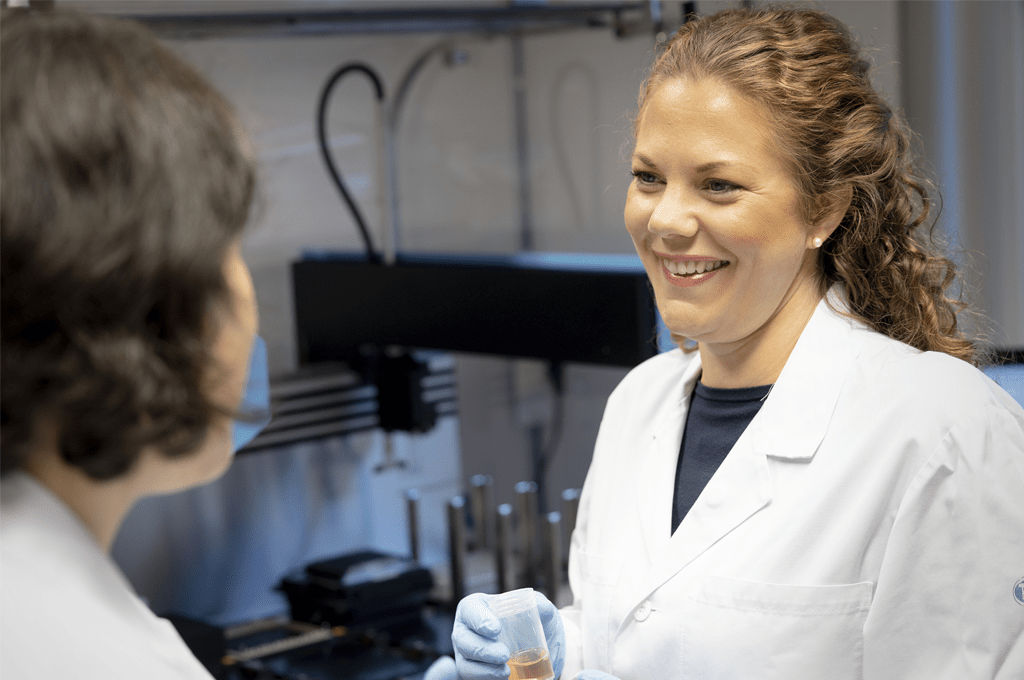
At SciLifeLab, we provide access to a range of pioneering technologies in molecular biosciences. Together, our units enable the scientific endeavors of users from academia, industry and health care. Dedicated staff scientists can offer support throughout the experimental process – from study design to data handling. Regardless of your particular field of work, you are welcome to seek support from units at SciLifeLab.
Most of our technologies are agnostic to applications, meaning they can be used to adress questions in a range of life science disciplines, e.g. precision medicine, ecosystem surveillance and evolutionary biology.
Browse services
Infrastructure units

Science & SciLifeLab Prize for Young Scientists
The Science & SciLifeLab Prize for Young Scientists is a global prize, established in 2013, aimed at rewarding scientists at an early stage of their careers. Science/AAAS and SciLifeLab, a coordinated effort of four universities, have joined forces in creating the Science & SciLifeLab Prize for Young Scientists to recognize excellence amongst young researchers from around the world.
Research at SciLifeLab





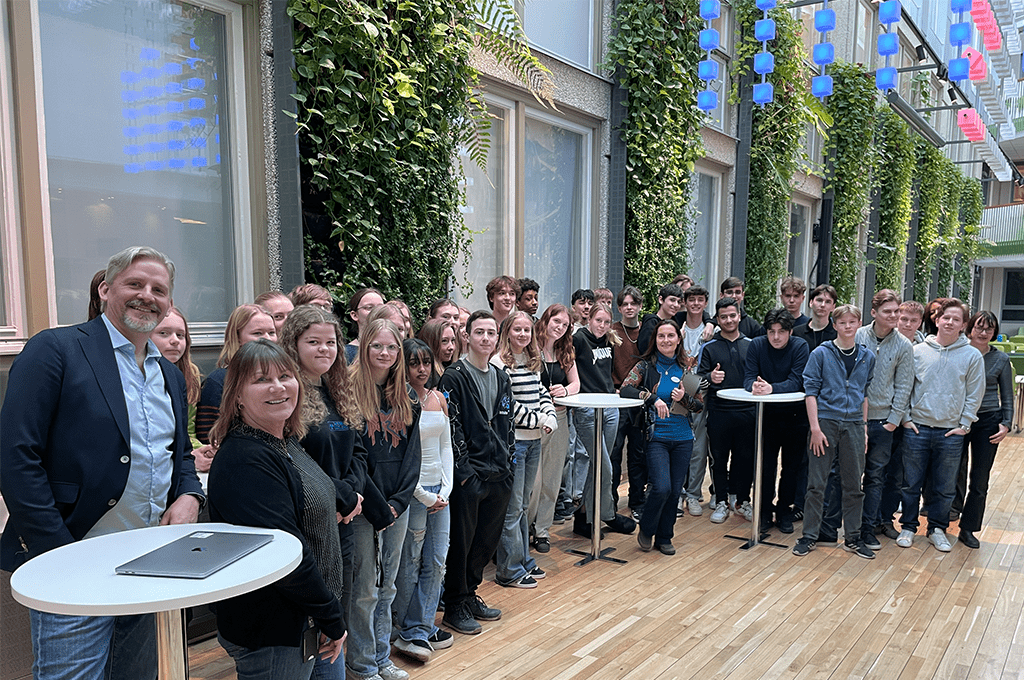
At SciLifeLab, no research group is an island. We live by collaboration and gather scientists in a broad range of molecular bioscience research, from health to environmental research, in order to facilitate multidisciplinary studies and networking.
A number of research constellations and initiatives makes up our scientific community, such as the more than 200 affiliated academic research groups, the SciLifeLab Fellows program, Data-driven life science, and lately also a national research program targeting Covid-19.
There’s a truly symbiotic relationship existing with our infrastructure. Our units provide access to the latest biomolecular technologies and expertise to bring research projects to the next level, whilst researchers using our services can team up with our dedicated staff scientists to propel technology development and really push the limit of what is possible in life science.
Upcoming events
Cell and Molecular Biology – DDLS symposium
Apr 25 – 26 12:00 – 17:00
Birgit Thilander Lecture Hall

IEC meeting
SciLifeLab Infrastructure welcomes the International Evaluation Committee (IEC) to Uppsala, Sweden, on April 16-18 for a panel meeting during the Evaluation of the SciLifeLab Infrastructure. This international evaluation, part of […]
Workshop on Data Visualization in R
A national course open for PhD students (prioritized), postdocs, researchers and other employees within Swedish universities who are interested in learning to produce publication quality plots using different packages in R.
Research involving human data – what do I need to think of as a researcher?
This seminar will focus on collecting and using personal data in research. We will guide you through the different phases of a typical research project and discuss some commonly asked […]
Leveraging supercomputers for data-driven life science research: examples from Berzelius
This event is part of the Tools for AI/ML research in life sciences event series arranged by the SciLifeLab Data Centre. This webinar is organized in collaboration with the National […]