SciLifeLab and DDLS Fellows awarded ERC Starting Grants for 2025
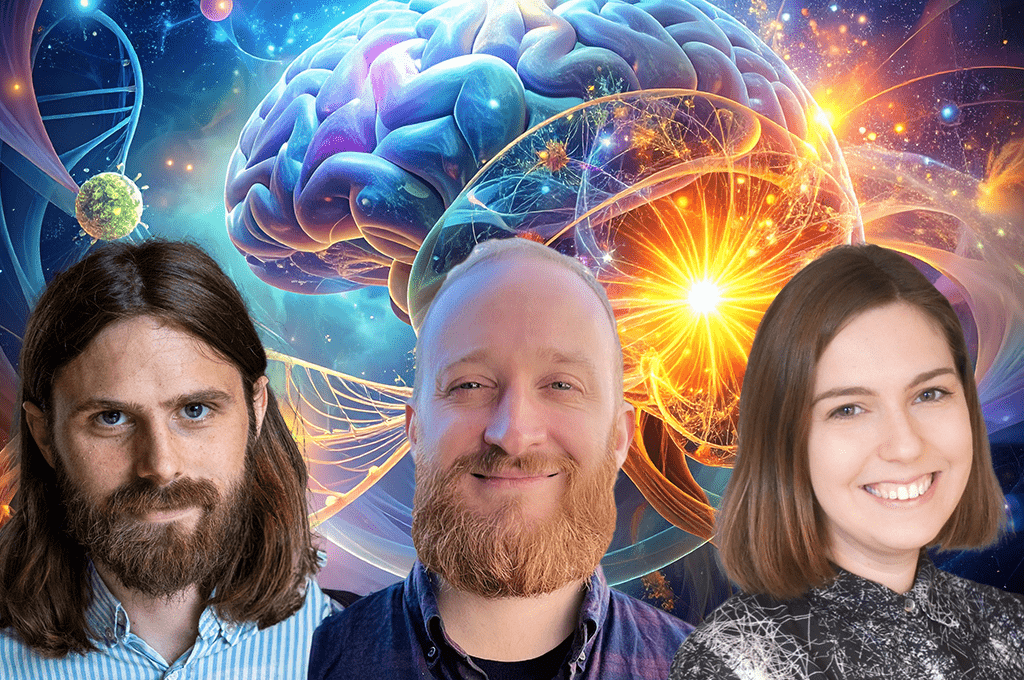
SciLifeLab Fellow Erik Benson – Karolinska Institutet, as well as DDLS Fellows Jacob Vogel and Camila Consiglio – Lund University researchers and Fellows of the SciLifeLab & Wallenberg National Program for Data-Driven Life Science, have been awarded European Research Council (ERC) Starting Grants for 2025. Their research spans from nanoscale DNA technologies and computational models of Alzheimer’s disease to the role of the immune system in fertility and pregnancy.
During 2025, the European Research Council (ERC) has awarded 478 Starting Grants, worth 761 million euro, to young promising early-career researchers across Europe. The funding is designed to support early-career researchers as they establish their own projects, build teams, and develop their most innovative ideas.
Uncovering immune mechanisms of fertility
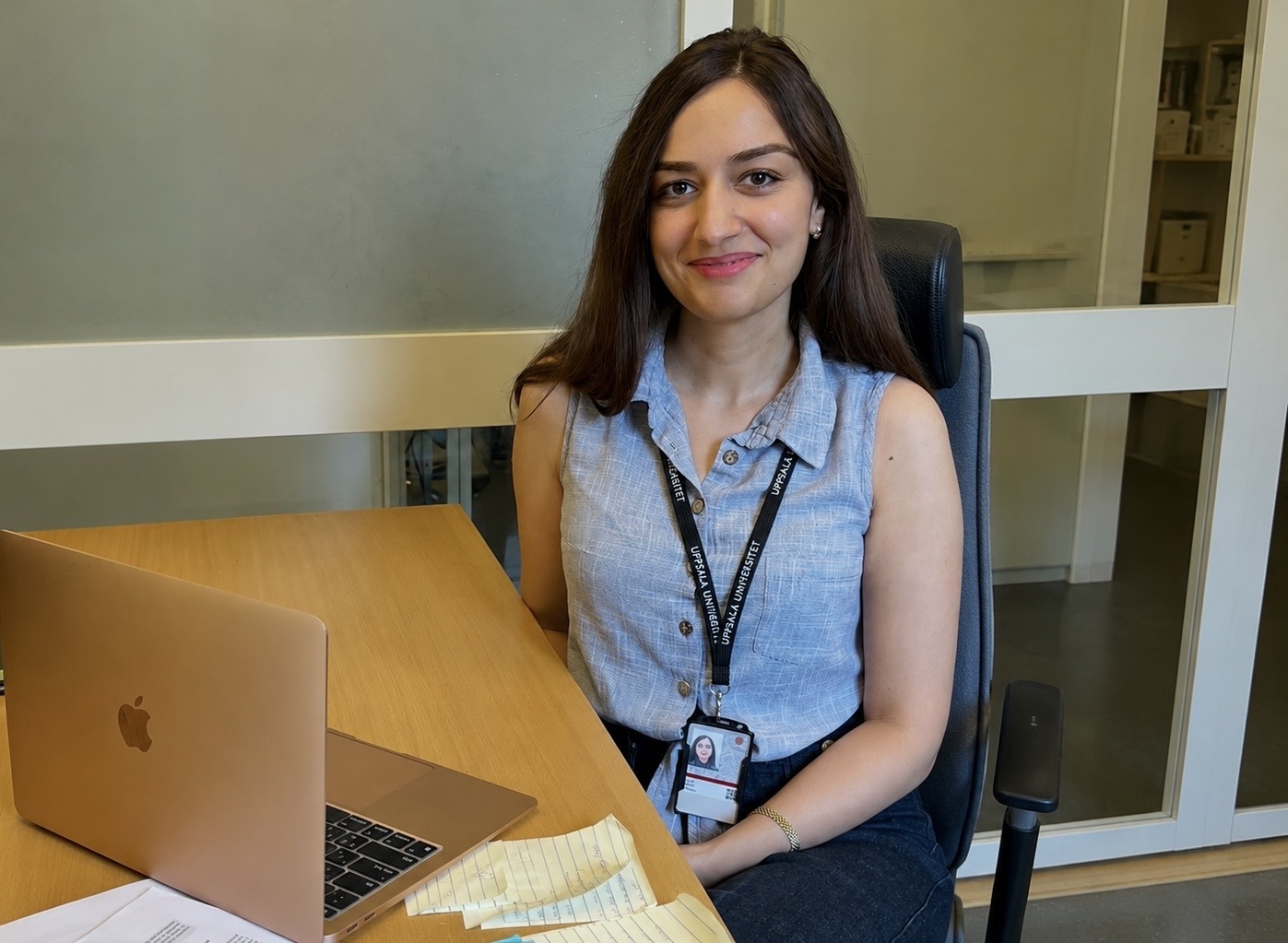
Camila Consiglio’s ERC project fertiliMMUNE investigates the intricate interplay between the immune and reproductive systems in shaping fertility and pregnancy outcomes. With infertility affecting one in six adults worldwide and current treatments offering limited success, her research aims to identify the immune mechanisms, particularly those influenced by sex hormones, that regulate fertility.
By uncovering novel immune targets, the project seeks to lay the foundation for more precise and equitable fertility treatments.
“Receiving the ERC Starting Grant is both a personal and professional milestone. Personally, it is deeply motivating to have the opportunity to investigate immune mechanisms of infertility, addressing a problem that carries such heavy emotional, societal, and financial burdens for so many people. Professionally, this grant provides me with incredible resources to pursue this ambitious and multidisciplinary research that would not be possible otherwise. The ERC Starting Grant allows me to establish a team, build the necessary infrastructure, integrate an excellent network of collaborators, and drive forward a research program with the potential to transform fertility care and advance equity in medicine.” says Camila Consiglio.
Designing the future of DNA nanostructures
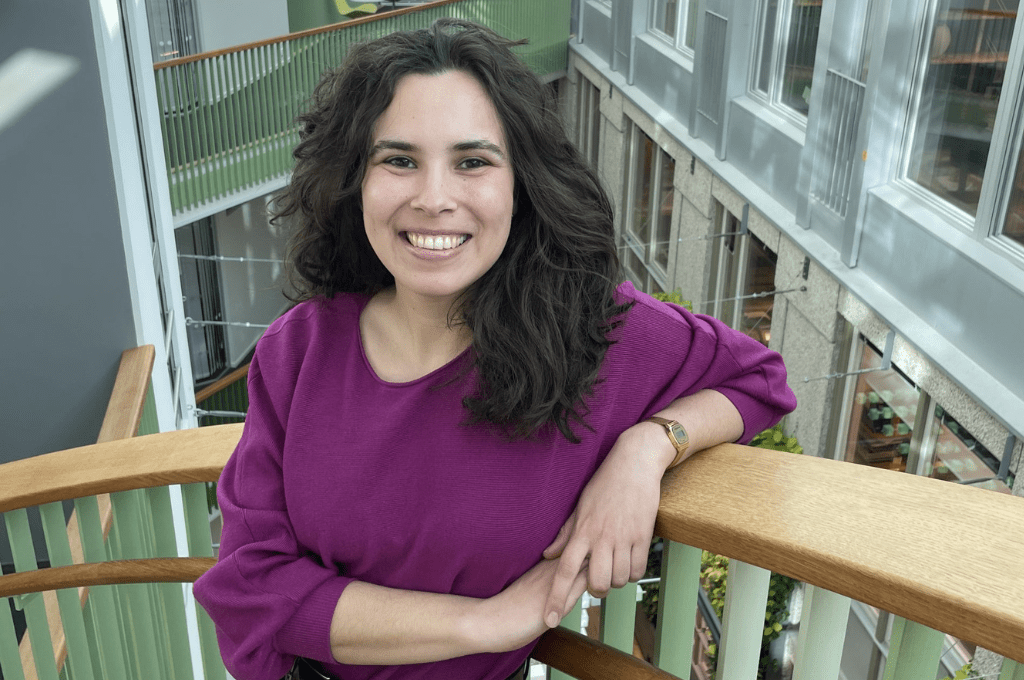
Erik Benson’s ERC project SELECTDNA explores how synthetic DNA, beyond its role in genetics, can serve as a building material at the nanoscale with potential applications in biomedicine. Instead of designing nanostructures one by one, his team will generate millions simultaneously and use experimental selection to identify the most functional ones.
The ultimate aim is to uncover DNA sequences that bind strongly and specifically to proteins for research and diagnostics, as well as nanostructures that target specific cell types.
“I am super excited to receive the support from the ERC! It will allow us to grow the team and work on these topics in a way that wouldn’t have been possible otherwise,” says Erik Benson.
Simulating Alzheimer’s disease in silico
Jacob Vogel’s project will develop computational simulations of how Alzheimer’s disease spreads in the brain, integrating mechanistic models with data from real patients. These “digital twins” could be individualized to forecast disease progression in specific patients, offering insights that cannot be obtained through experiments in humans.
“The ERC StG is a very generous award and so what it means most directly for the project is that we will have access to the personnel and compute resources that will really be necessary to do this project the right way. This is very encouraging, because we want this model to not just be successful as a proof-of-concept, we want it to be meaningful and useful to society,” says Jacob Vogel.
For more information, visit erc.europa.eu