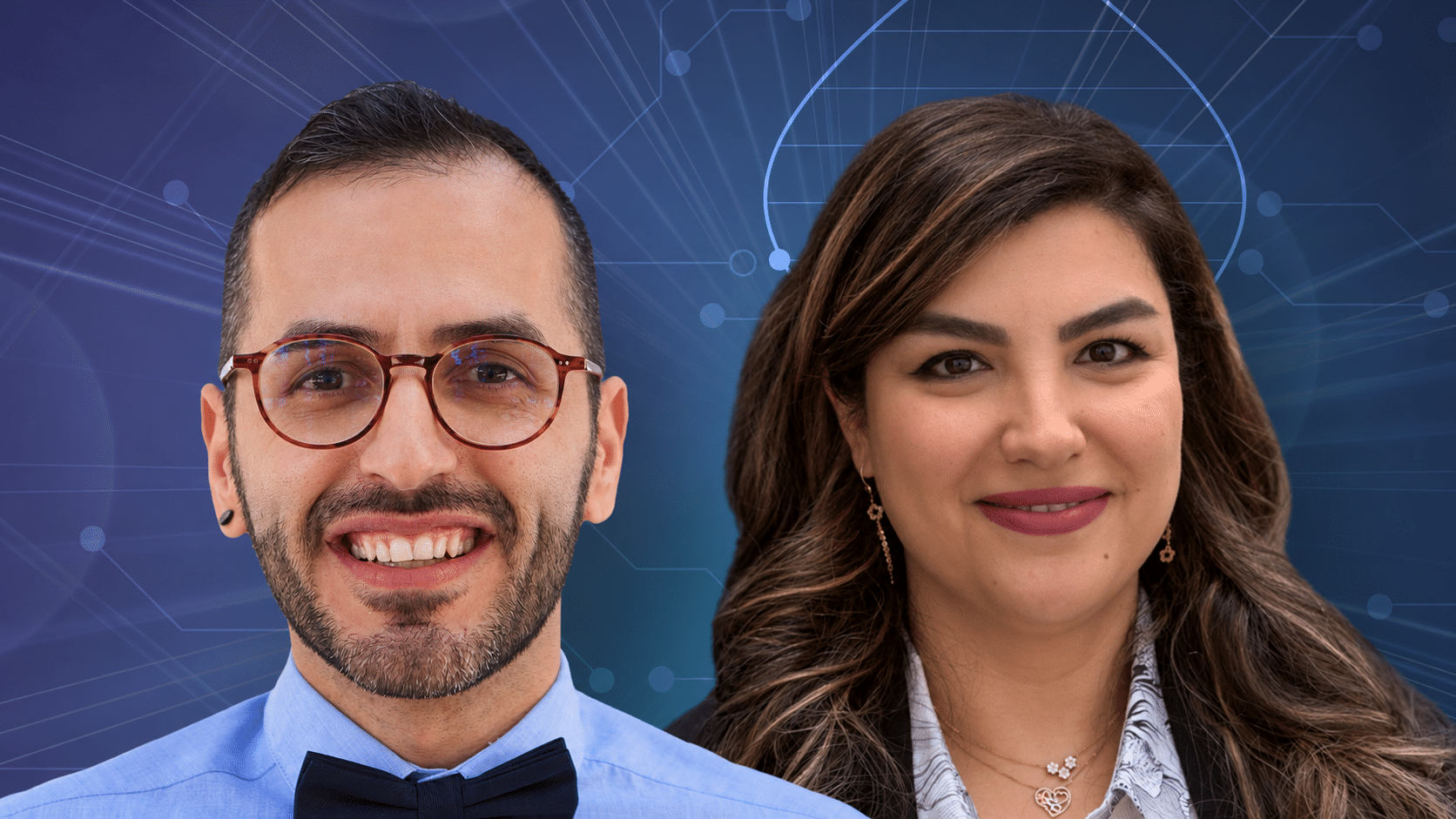
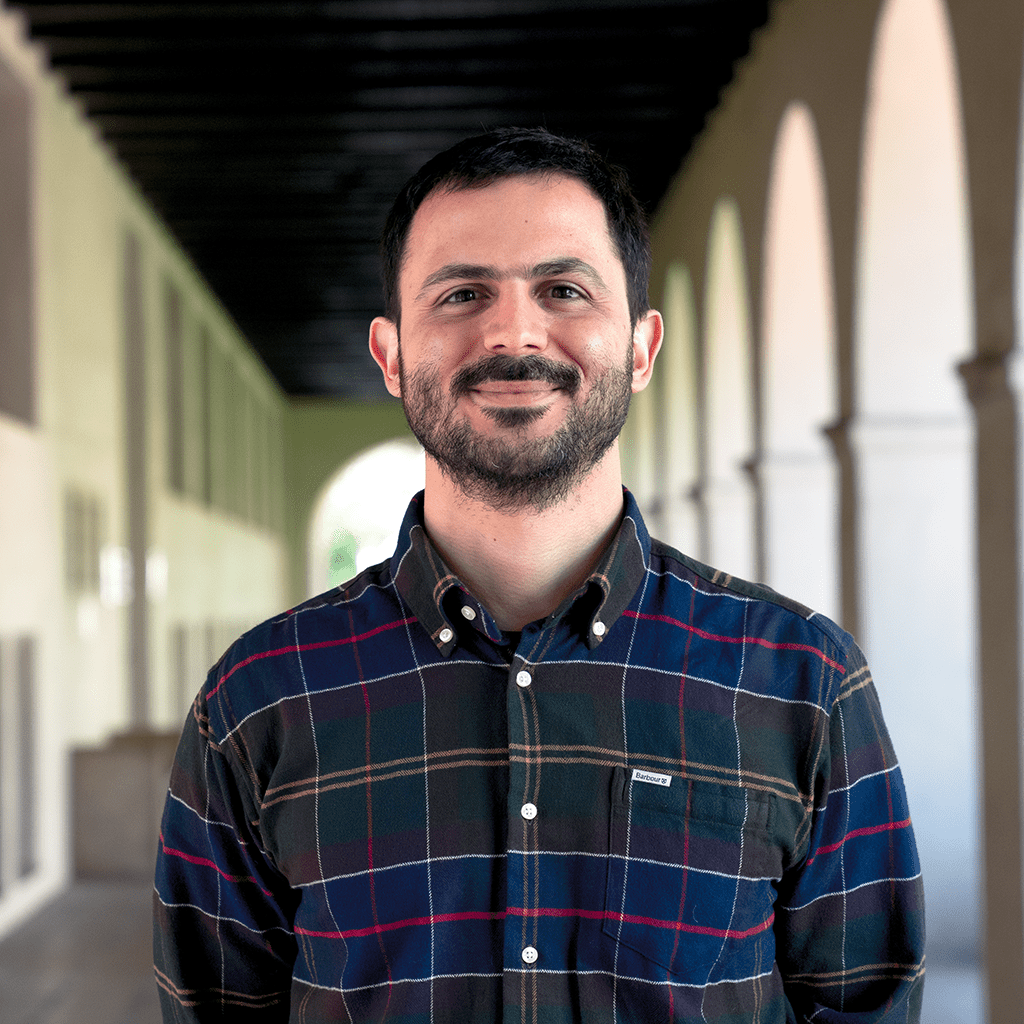

SciLifeLab Fellow Series: Stefanos Stagkourakis
Introducing our new SciLifeLab Fellow Series, where we meet some of the researchers working at SciLifeLab. First up is Stefanos Stagkourakis, who studies how the brain turns inner states into action, from hormones to the neural circuits behind instinctive behaviors.
Can you tell us a bit about your academic background?
I studied molecular biology in Greece, and the last semester of my undergrad program I attended the Neurobiology course at Uppsala University. Following an MSc in Pharmacology at Oxford University, I completed my PhD at Karolinska Institute, Dept. of Neuroscience, focusing on how hormones modulate brain activity and social behaviors. I then moved to Caltech for my postdoctoral training, where I developed expertise in technologies that allow recording and manipulation of large neuron ensembles in freely moving animals. Since 2024, I’ve started my own group at Karolinska Institute and SciLifeLab.
How do you see your expertise contributing to the SciLifeLab research environment?
My lab combines systems neuroscience, neuroendocrinology, and technology development. We use tools like Neuropixels, two-photon imaging, and custom behavioral setups to study how the brain encodes instinctive behaviors and internal states. We aim to contribute to the SciLifeLab community by generating the potential to integrate large-scale neural recording technologies (that my lab has expertise) with molecular techniques such as hormone assays and spatial transcriptomics (SciLifeLab local expertise) – opening new doors for understanding how internal physiological states shape brain function and behavior.
Could you describe your research in a way that’s easy to understand?
We study how the brain helps animals survive by fighting, fleeing, or feeding, depending on their internal needs and the environment. Our goal is to uncover how groups of neurons across the brain work together to drive these instinctive actions and how hormones like testosterone or oxytocin influence these brain networks. To do this, we record hundreds to thousands of neurons at once, track behavior, and test causality using advanced optical tools.
What do you hope to gain from the SciLifeLab Fellows program and the network it offers?
I hope to connect with other researchers who are developing or applying cutting-edge methods, particularly in molecular profiling, imaging, or computational analysis. These exchanges can foster collaborations that help translate complex neural activity into mechanistic understanding.
What’s one thing about you that people might be surprised to learn?
I’m a kitesurfer and mountain trail runner. Science and planning adventures in the great outdoors occupy most of my waking hours.
Where do you see yourself in five years, professionally?
I hope to have established a vibrant and collaborative research team producing impactful work on how the brain transforms internal states into action, and how this process may go awry in mental illness.
In one word, how would you describe your feelings about becoming a SciLifeLab Fellow?
Excited!