
The DDLS Research School: An interview with the PhD Co-Directors
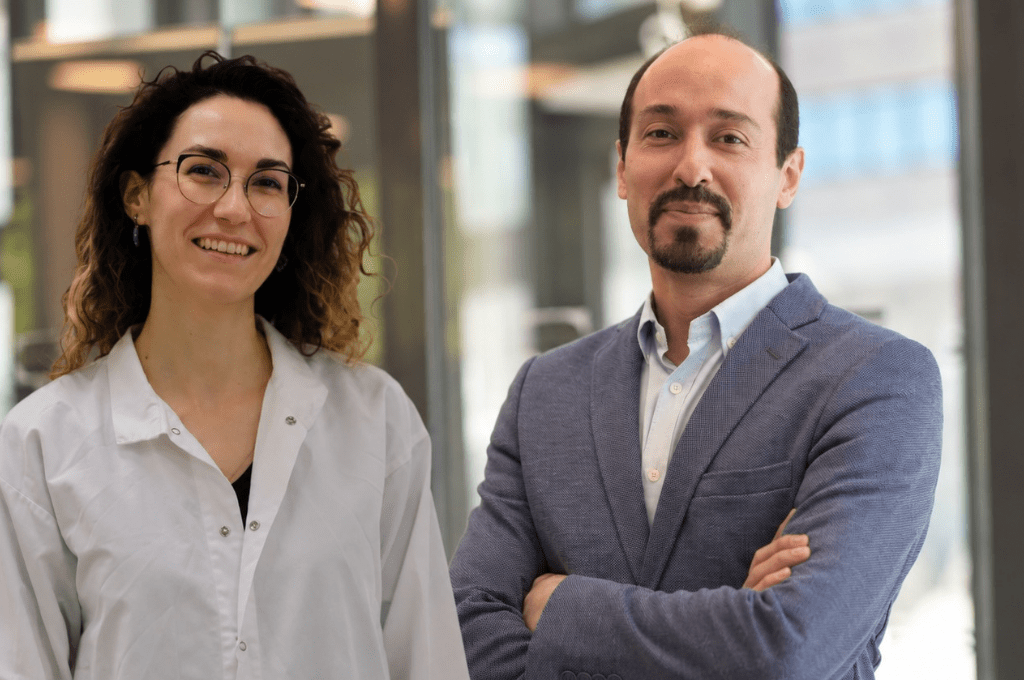
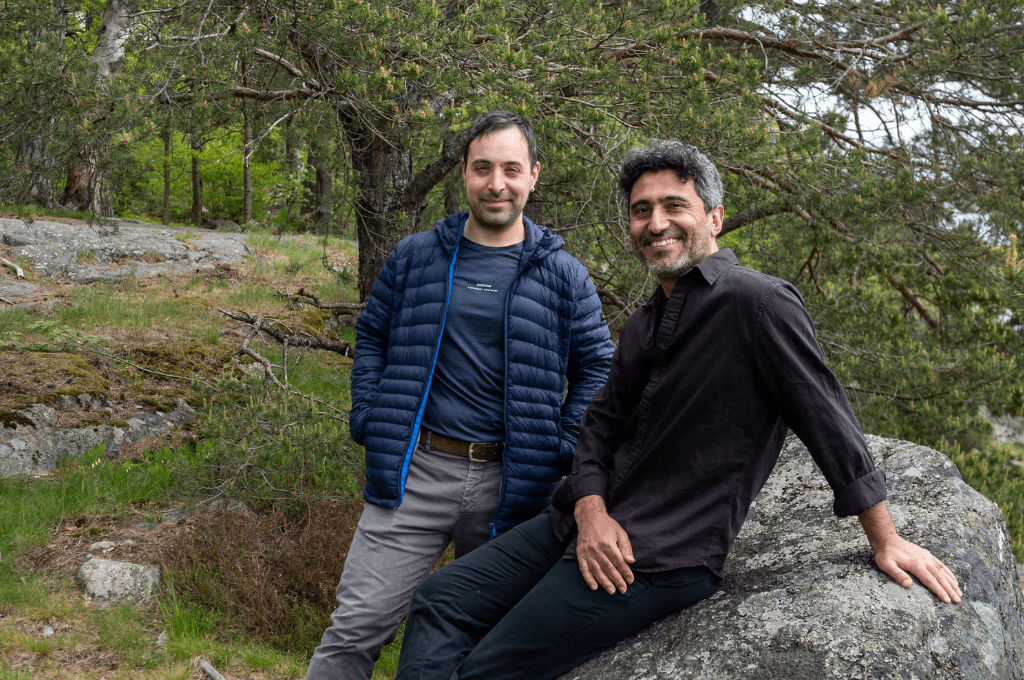
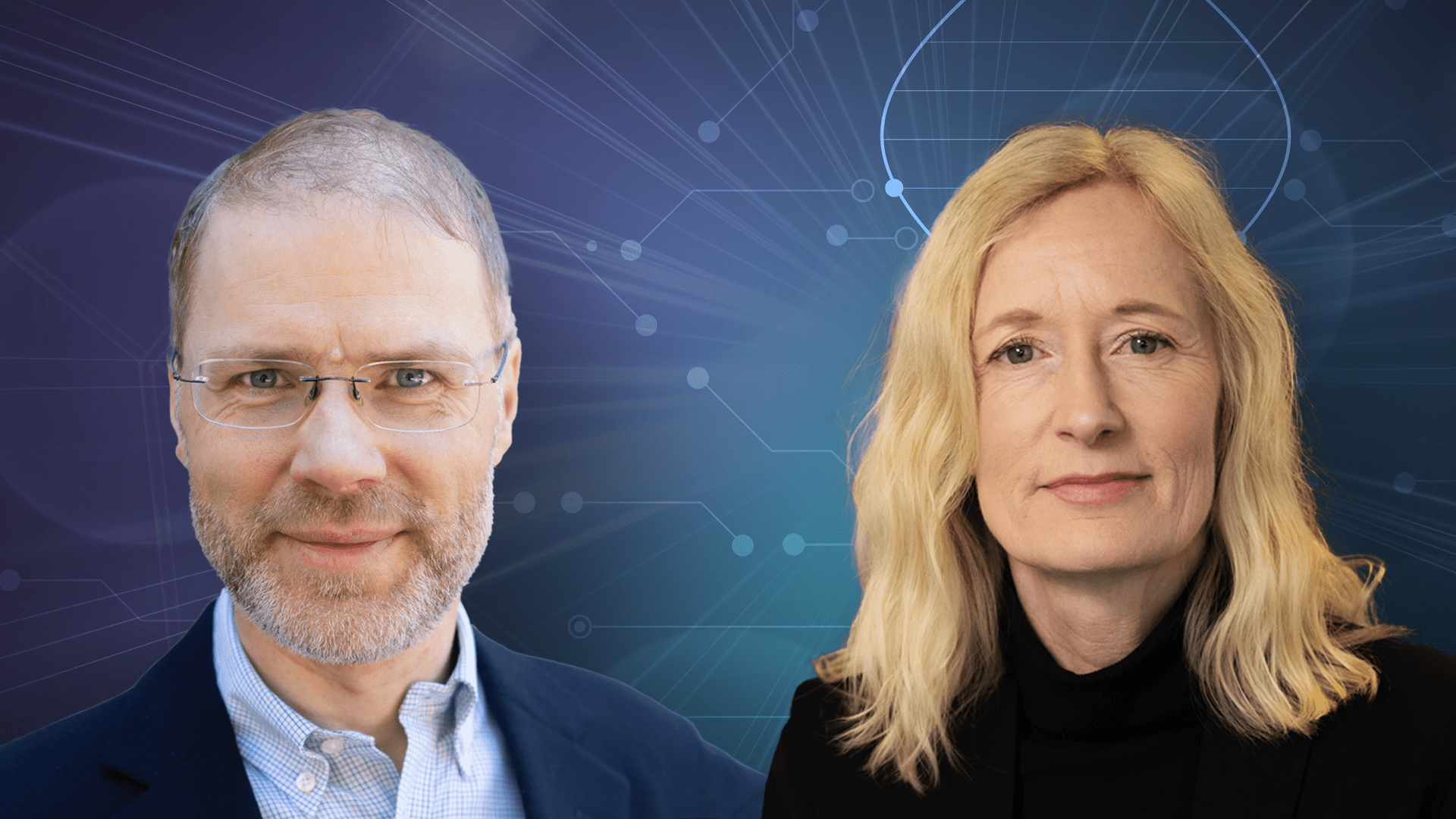
The DDLS Research School, which is a vital part of the SciLifeLab & Wallenberg’s National Program for Data-Driven Life Science (DDLS), opened its doors on 13 November 2024, a little over a year ago. We talked to the two PhD co-Directors, Peetra Magnusson (UU) and Olof Emanuelsson (KTH), about what has been going on and what to expect going forward.
The DDLS Research School has now been running for some time, with several PhD students already enrolled. Looking back, how would you describe the journey so far? What has worked best, and what has been most rewarding to see?
It has been an exciting year for us as co-directors, diving into all aspects of the Research School, getting to know each other, as well as Mojgan Seraji and Ulrika Wallenquist. Our collaboration has worked very smoothly; we often share the same mindset while also bringing complementary ideas to the structure of the Research School. It has been particularly rewarding to develop the curriculum for the DDLS Research School PhD students, and we recently had the pleasure of meeting the second cohort of recruited PhD students during the DDLS Research School pre-kick-off, held in connection with the DDLS Annual Conference at UKK in Uppsala.
The Research School aims to build a national, interconnected community of data-driven life scientists. How do you see this network evolving, and what are your priorities for strengthening collaboration between the participating universities and industry partners?
The possibility to take part in building exactly this kind of national community is one of the most exciting tasks within the Research School, but it is also challenging due to the physical distances in Sweden. We are now setting up courses that will be offered in Uppsala, Stockholm and Linköping, and we aim to arrange future DDLS Research School Annual Meetings outside the Uppsala–Stockholm region. To strengthen collaboration between academia and industry, we have joined forces with SwedenBIO and are now inviting participants to our industry–academia matchmaking event in Stockholm on February 12. Interest has been very high, and registration is open (with a waiting list if the event reaches capacity). Industry partners should register via the dedicated industry-partner link.
One of the unique aspects of the Research School is its cross-disciplinary nature, spanning life science, AI, and data science. How do you help students navigate such diverse fields and develop a shared scientific language?
Our main tool for this purpose is the curriculum of the DDLS Research School. We aim to provide front-line courses on how machine learning and AI can be applied to life science data, selecting the most suitable and relevant courses through open calls. These courses are also crucial for establishing a common understanding of key concepts in data-driven life science. Furthermore, we aim to invite excellent lecturers on these topics to the upcoming DDLS Research School Annual Meeting 2026 and other activities.
As the DDLS program enters its next phase, new initiatives such as the postdoc program and research data community projects (RDCPs) are being launched. How do these complement the goals of the Research School?
We believe that DDLS postdocs will be an asset for the Research School, for example through mentor programs, supervision, and joint events during activities such as the DDLS Research School Annual Meeting. The postdoc program will also substantially increase the number of researchers involved in the DDLS program and enable additional talent to be recruited. Both the postdoc program and other initiatives such as RDCPs and NESTs (Novelty, Excellence, Synergy, and Teams projects), which have a strong collaborative focus, serve to broaden the scientific impact of the DDLS program.
Looking ahead, what do you think will define success for the Research School in the coming years? What impact do you hope the first cohort of DDLS PhD students will have on the Swedish life science landscape?
The DDLS Research School aims to train excellent researchers who can contribute to the future of Swedish life science. In the coming years, we think success will be reflected in our alumni’s careers, such as former DDLS PhD students leading their own research groups at prestigious institutions, taking on leading roles in Swedish industry, and having policy impact at the national and international levels. In addition, hard facts such as grants, publications, citations, positions, and awards will remain important indicators. We hope our DDLS PhDs will join forces with the DDLS Fellows and other data-driven scientists (e.g. WASP and researchers in industry) to ensure that life science in Sweden becomes increasingly data-driven, both in academia and in industry.
Peetra
From your perspective, what is essential for data-driven life science to deliver real-world impact, and how do large datasets and FAIR data principles fit into that?
Data-driven approaches offer great benefits in research, but I also see the need to produce new large data sets and to ensure that data collection follows the FAIR principles. This increases the possibilities for sharing data and thereby improving the scientific answers to medical problems, leading to benefits for patients.
Many DDLS students come from diverse scientific backgrounds. How do you ensure that all students, regardless of their starting point in life science or data science, feel equally supported and challenged?
I think it is important to provide a variety of courses and activities to meet the different needs that may arise among students with different scientific backgrounds. We also aim to offer courses that may not be available at their home universities. In addition, we listen to the students and their wishes regarding specific courses, and we enjoy communicating and interacting with them.
Outside of science and teaching, what inspires you or helps you recharge when you need new perspectives?
To enjoy nature (hiking and skiing) and to meet family and friends.
Olof
You have a strong background in bioinformatics and computational biology. How do you see the role of computational methods evolving within the Research School, especially as AI becomes more integrated into life science?
The development of computational methods and tools for the handling and analysis of life science data should be a cornerstone of the DDLS program, and the Research School has the responsibility to empower the PhD students who want to work with this. AI assistants could enable more researchers to take part, since these assistants have the potential to lower the barriers for undertaking method development projects. The DDLS program is uniquely positioned in Sweden to promote all aspects of AI in life science, and it constitutes a fantastic opportunity to boost knowledge and skill levels within the Swedish life science community.
The Research School emphasizes national collaboration and long-term sustainability. What steps are being taken to make sure this initiative continues to thrive beyond the DDLS program itself?
Most important are the researchers, the PhD students and postdocs that we train within the Research School, as they will likely constitute a large fraction of the future Swedish research faculty and research leaders, both in academia and in industry. We also wish to steer the Research School towards increased inclusiveness, where non-DDLS-affiliated researchers can contribute and participate.
You’ve been deeply involved in bridging computational and experimental research for many years. What initially drew you to this interface, and what still excites you about it today?
I had a deep interest in mathematics and physics, but when I encountered molecular biology, it struck me how intricate the molecular machinery in the cells was, and how completely unbelievable it was that it actually worked, and made life possible. At the same time, new technologies had started to produce biological data at an unprecedented scale, which opened opportunities for the quantitative analysis of biological data. I think the intersection of computation and biology is today’s rocket science, where the most profound discoveries, with the largest potential to influence humanity and life on Earth, are made possible. This still fills me with a sense of amazement.