SciLifeLab Group Leader Nils Landegren awarded The Svedberg Prize for research on autoimmune diseases
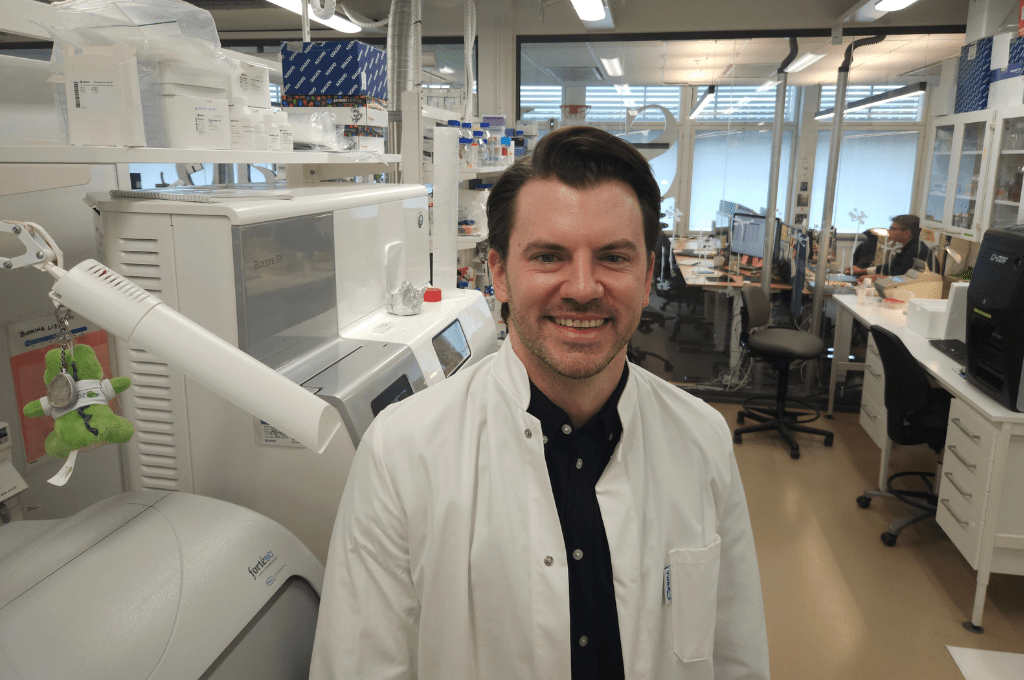
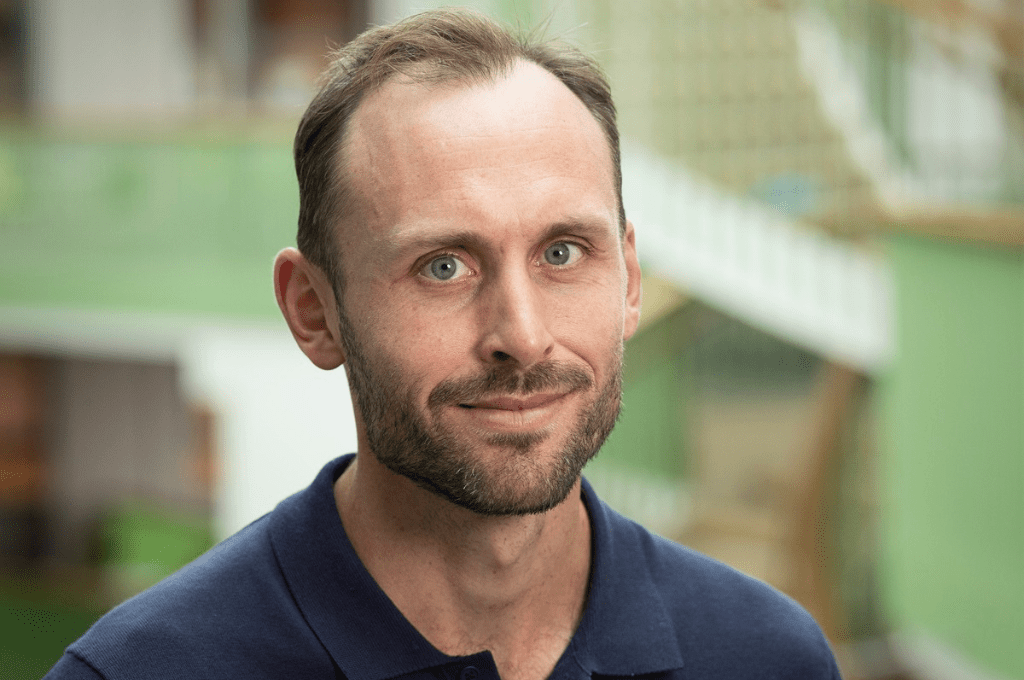
Nils Landegren has been awarded this year’s Svedberg Prize, recognizing his research on how the immune system can both protect the body and, in some cases, cause disease.
“It is a great honor and quite humbling to be included among the many outstanding scientists who have received the prize in previous years,” he says. “It feels fantastic to receive this kind of recognition for our group’s work and to see that there is real interest in our research.”
What is your research about?
Autoimmune disorders can affect many different organ systems and are highly heterogeneous in their presentation. At the same time, there are shared underlying mechanisms. Our group aims to understand these processes at a mechanistic level and to identify the molecular targets of the immune system.
We study this across different diseases, which helps us better understand conditions that are still unexplained and also has diagnostic potential. I am also interested in understanding why women have a much higher risk than men of developing autoimmune diseases.
How is SciLifeLab involved in your research?
We are very grateful to be part of SciLifeLab as an affiliated research group and benefit greatly from its outstanding research infrastructure. For example, in our studies of transgender individuals, we use advanced omics technologies at SciLifeLab to understand how sex hormones influence the immune system. Our work on autoantibodies also relies heavily on SciLifeLab resources.
At the same time, we hope to contribute back by developing and establishing new technologies that can be shared with the wider SciLifeLab community in the future.
Why are autoimmune diseases more common in women?
I particularly enjoy when we can take an original approach to address a long-standing question. One such question is why women have a much higher risk than men of developing autoimmune diseases.
These differences stem from both genetic and hormonal factors, which makes them difficult to disentangle. To address this, we initiated an immunological study of transgender individuals undergoing changes in hormone environment. This has allowed us to pinpoint how sex hormones regulate the immune system and contribute to differences in disease risk between women and men.
What are the next steps?
We are now engaging in an international collaboration to study the role of autoimmunity in cancer. This work is inspired by recent findings in infectious diseases, where we have seen that autoantibodies can block key immune pathways and contribute to severe outcomes in COVID-19 and other infections.
In this new project, we will explore whether similar mechanisms may interfere with the body’s ability to protect against cancer.
Photo: Mikael Wallerstedt