
Planetary Biology
The SciLifeLab’s strategic area focusing on Planetary Biology is driven by a need for coordinated transdisciplinary efforts to understand Earth’s biodiversity – from single molecules and cells to individual species, communities, ecosystems, and their functioning on the planet. Simply speaking ”Life in environmental context”.
By leveraging SciLifeLab’s comprehensive technology portfolio and resources, the aim is to:
- Accelerate and support research from single molecules to ecosystem and planetary scales.
- Connect and empower a multidisciplinary research community to tackle crucial challenges in ecology, conservation, evolution, and biogeochemistry.
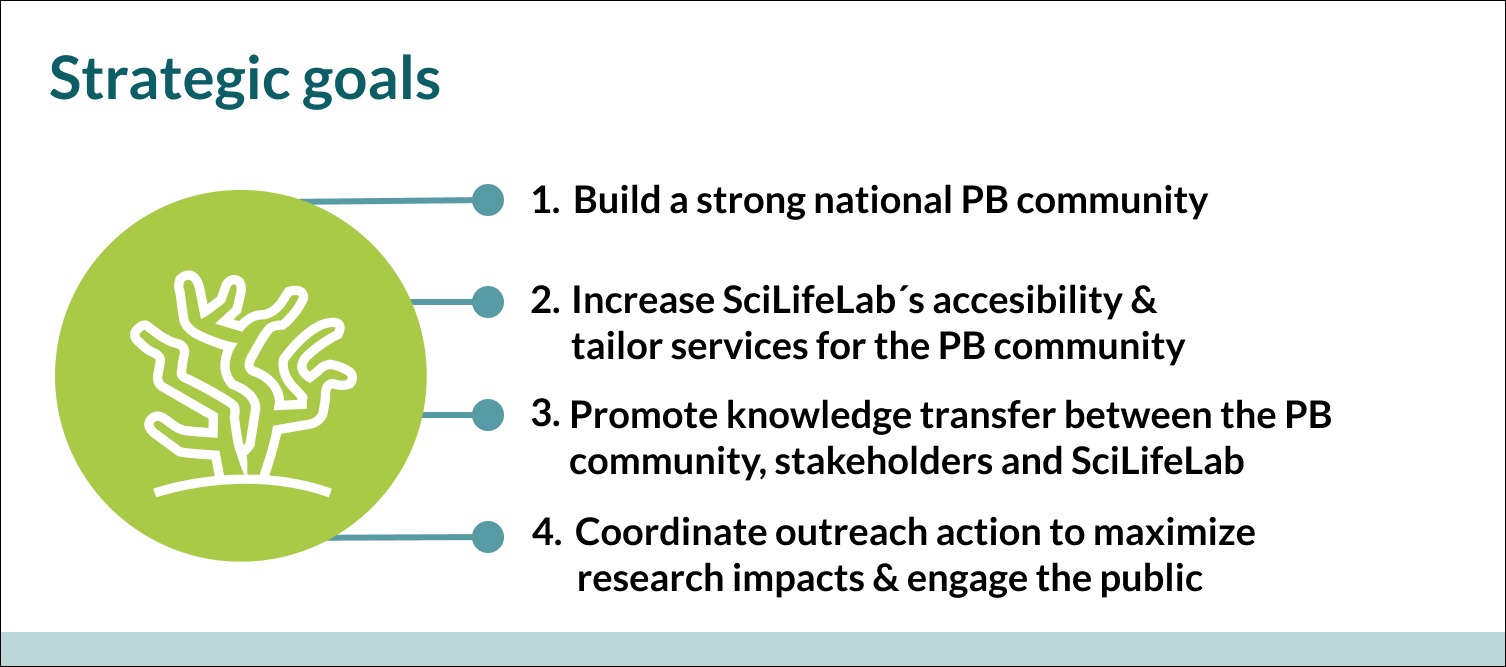

Planetary Biology concept
Research in molecular life sciences allows us to describe and understand the drivers and meaning of diversity: changes that are happening, the underlying mechanisms, and the impact of those changes on ecosystems and planetary health.
Upcoming conference
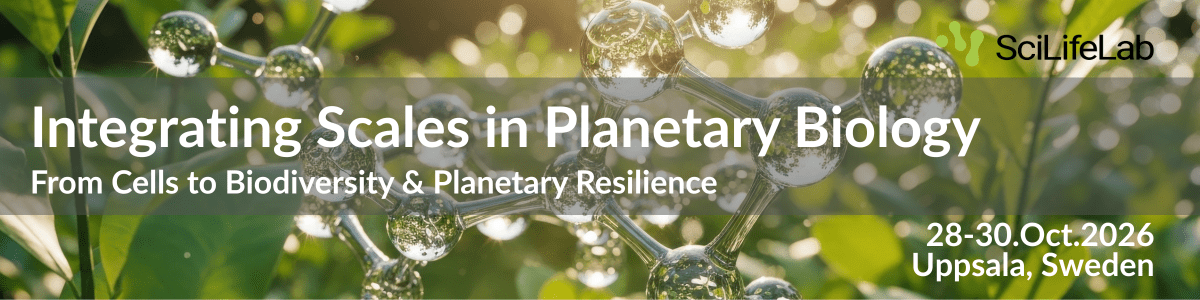
The Planetary Biology Strategic Area is thrilled to announce this conference that brings together researchers and stakeholders across disciplines to explore how biological processes — from cells to ecosystems — shape the resilience of life on a changing planet.
Planetary Biology requires connecting knowledge across scales, disciplines and sectors. This conference is designed to create a multidisciplinary community where researchers, industry partners and policy-makers can exchange ideas, identify emerging priorities and build collaborations that translate scientific insights into actionable solutions.
Participants will engage in a dynamic programme featuring:
- Panels with funding stakeholders, providing perspectives on opportunities and strategies to support collaborative research.
- Scientific talks across disciplines, exploring Planetary Biology from molecules to ecosystems and across different research fields.
- Round table discussions on emerging research priorities, creating spaces for dialogue and identifying future directions for the field.
- A Pitch Slam session to build collaborations, where participants will form interdisciplinary teams, develop innovative project ideas, and present their proposals during the final day of the conference. The most promising ideas will be recognised. More details will be shared soon.
Explore the programme, register and submit your abstract on the event’s website
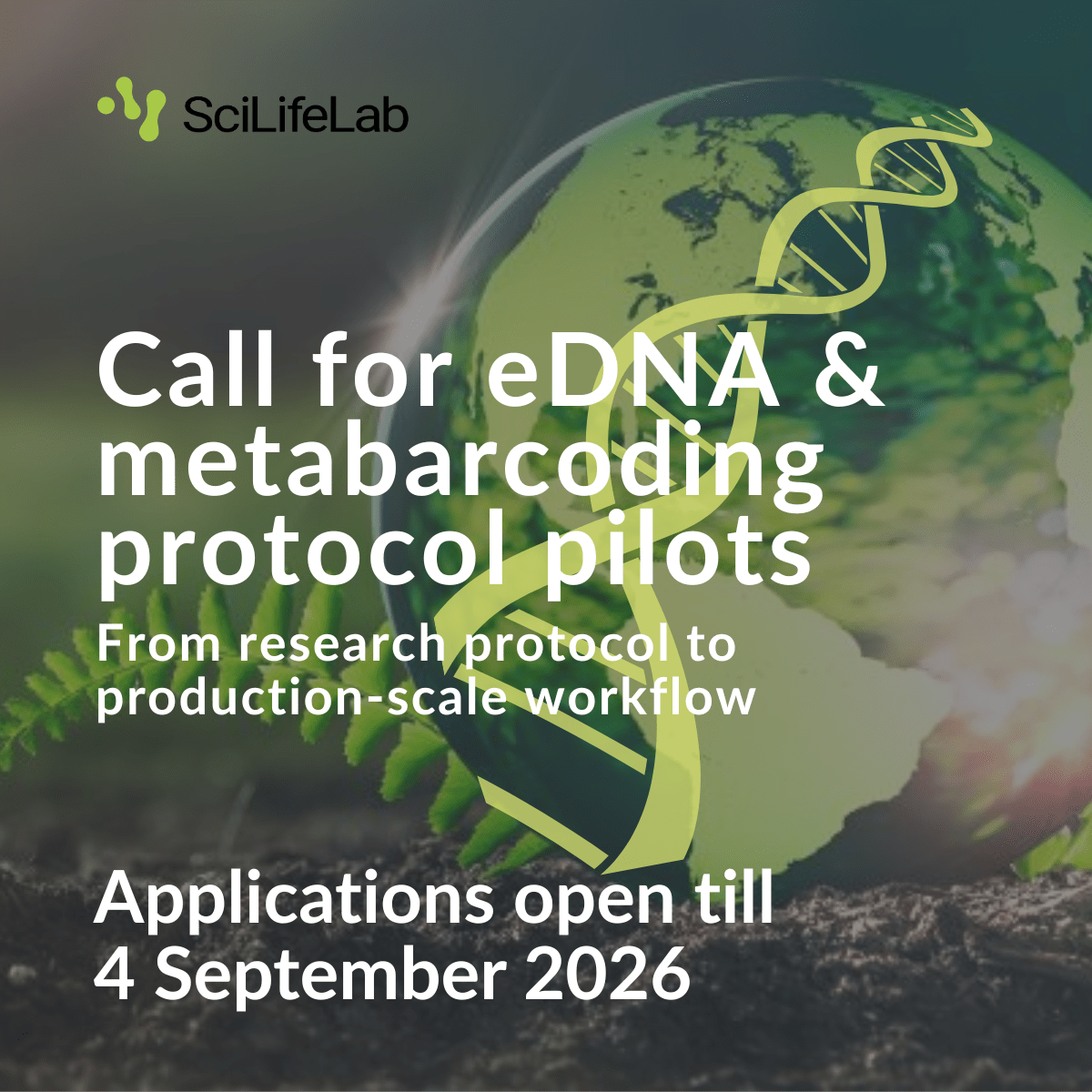
Planetary Biology Call for eDNA/Metabarcoding Protocol Pilots
SciLifeLab Planetary Biology invites researchers across Sweden to submit their existing environmental DNA (eDNA) extraction and library-preparation protocols for development into production-scale workflows. Metabarcoding projects are equally welcome, whether the protocol covers extraction, library preparation, or the full eDNA-to-amplicon workflow.
Selected research groups will provide protocols which will be optimised, automated, and made publicly available – with full credit to the contributing research groups – and potentially incorporated into NGI’s eDNA service line.
Selected projects will receive:
- Dedicated engineering support to optimise and automate the protocol
- Validation reagent costs covered (up to 100,000 SEK per project)
- Open-source publication of the final protocol
- A pathway toward evaluation for potential inclusion in SciLifeLab National Genomics Infrastructure – NGI’s eDNA service portfolio
How SciLifeLab supports the Planetary Biology community
SciLifeLab offers a wide range of resources and activities to support and connect researchers working on Planetary Biology, from single molecules to ecosystems.
From organizing meetings and building networks, to engaging SciLifeLab platforms, supporting collaboration with international partners, and identifying community needs—our goal is to foster impactful science with societal relevance.
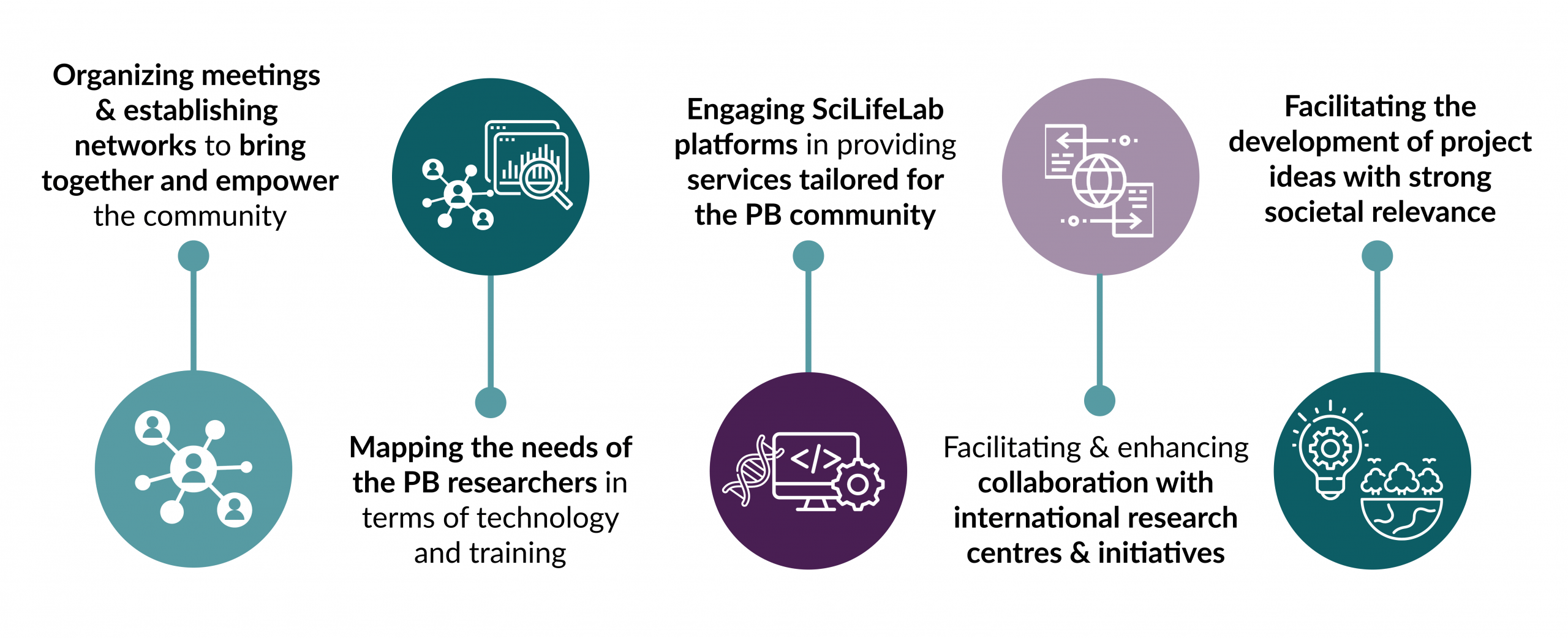
If you’re unsure where to start or how we can support your research, the coordinator of the Planetary Biology is your first point of contact (Anabella Aguilera). We are here to guide you through the available opportunities and connect you with the right resources.
We also warmly welcome your suggestions on how we better can support your research or new initiatives.
Best Practices for Reference Genome Generation
In April 2025, Planetary Biology organized a hands-on course covering essential aspects of reference genome projects—from project planning and sample collection to sequencing, data processing, data mobilization, and deposition in open repositories.
The course was held at the Evolutionary Biology Centre (EBC) in Uppsala and brought together participants from six Swedish universities.
Through lectures and discussions attendees explored key steps and best practices for conducting high-quality reference genome projects.
During fika and lunch breaks, participants had the opportunity to visit exhibition booths hosted by NBIS, NGI, and the Museum of Evolution (Evolutionsmuseet), where they learned more about their work, services, and ongoing initiatives.
Topics and Instructors:
- Nagoya Protocol & ABS requirements: Niklas Wahlberg (LU), Sebastian Bromander (SLU), Johan DIxelius (SLU)
- Biosafety, import permits: Henrik Gradstedt (UU)
- Sampling and vouchering: Stefan Ekman (Uppsala Museum of Evolution)
- Introduction, DNA extractions and sequencing: Olga Vinnere Pettersson (SciLifeLab Planetary Biology Capability)
- Bioinformatic pipelines, metadata and FAIR (SciLifeLab-NBIS)
- Swedish Reference Genome Portal: Daniel Brink (SciLifeLab Data Center)
- Data mobilization: Veronica Johansson (SBDI)
All lectures were recorded and will soon be made available on the SciLifeLab YouTube channel.
Planetary Biology Conference 2024 – Linking molecules to ecosystems
Planetary Biology held its first conference, centered around the theme “Linking molecules to ecosystems”, in Gothenburg last September.
With eight out of ten SciLifeLab Platforms represented and twelve invited speakers, the event brought together researchers from different disciplines to connect molecular and ecosystem-level studies, promoting collaboration in planetary biology.
Across two days, attendees engaged in discussions on key environmental, climate, and biodiversity issues. The program included a range of talks, poster presentations, and interactive sessions, giving participants the opportunity to share project ideas and explore future collaborations.
Planetary Biology in Almedalen 2024
During the panel debate titled “The biodiversity crisis threatens sustainability and the bioeconomy – can Swedish research be the solution?”, key points were highlighted regarding the urgent need for action and collaboration. The panel emphasized the importance of fostering innovation and cooperation between academia, industry, and policymakers to effectively address the biodiversity crisis.
Utilizing existing research infrastructure, such as SciLifeLab, and environmental monitoring of genetic diversity were identified as crucial steps toward finding solutions.
Then panel consisted of
- Andreas Wallberg, Uppsala University
- Mats Svensson, Swedish Agency for Marine and Water Management
- Charlotta Berggren, ByDemand
- Olga Vinnere Pettersson, Uppsala University, Scientific Lead for Planetary Biology at SciLifeLab
Moderator: Anna Wetterbom, Swedish Biodiversity Data Infrastructure (SBDI)
SciLifeLab Planetary Biology Capability Survey
The Planetary Biology Capability Survey was launched in June 2023 and aimed to identify the technology-related needs of the Planetary Biology community in Sweden. This involves pinpointing obstacles hindering the use of existing SciLifeLab platforms, areas where enhancements could boost the Planetary Biology community’s access to these platforms, or the need to create new tools, protocols, or services to be offered by SciLifeLab.
A total of 79 individuals participated in the survey, representing 13 affiliations. The gathered information allowed for the identification of platforms most used among Planetary Biology researchers (NGI and NBIS), and the ones to be highly used if technical/practical barriers are solved (NGI, NBIS, and Spatial Transcriptomics). Barriers encountered by researchers included a lack of technical expertise/protocols/standards for specific samples, cost, long delivery times, and lack of specific methodology.
The informational report is in preparation and it will be used as a guide to starting the dialogue with SciLifeLab platforms aiming to discuss potential changes and developments to fulfill the needs of users working on Planetary Biology related topics.
New tools to secure biodiversity in a changing world
Scientific Leads Olga Vinnere-Pettersson and Stefan Bertilsson highlight the importance of establishing the strategic area Planetary Biology. This initiative is designed to encompass all facets of biological research, from studying molecules, metabolites, genomes, and proteins to employing cutting-edge technologies such as imaging and AI.
They emphasize the critical role of molecular tools in monitoring biodiversity, particularly in assessing how human activities impact ecosystems and biodiversity over time.
Contact persons
Scientific Lead for SciLifeLab Planetary Biology is Olga Vinnere Petterson.
Assigned Scientific co-Leads are Anders Andersson, Nathaniel Street, and Jacob Höglund. The coordinator for the Planetary Biology is Anabella Aguilera. Please reach out with any questions or research collaboration inquiries.