
“It’s harder than it looks”: demystifying structural biology across sweden
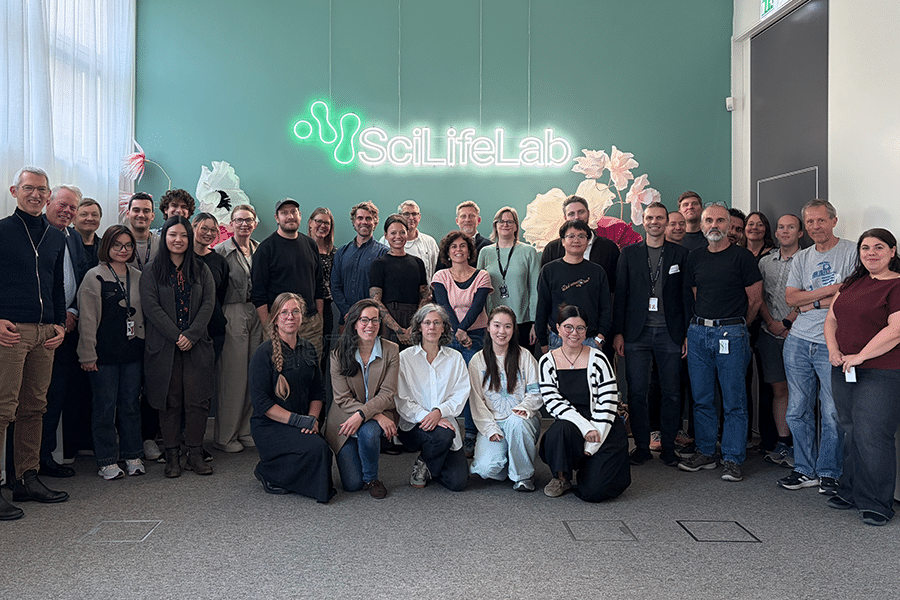
To learn the latest techniques in structural biology, participants travel to Stockholm, Linköping, Lund, and Gothenburg across two weeks, in the Integrated Structural Biology course organized by SciLifeLab and NordStruct.
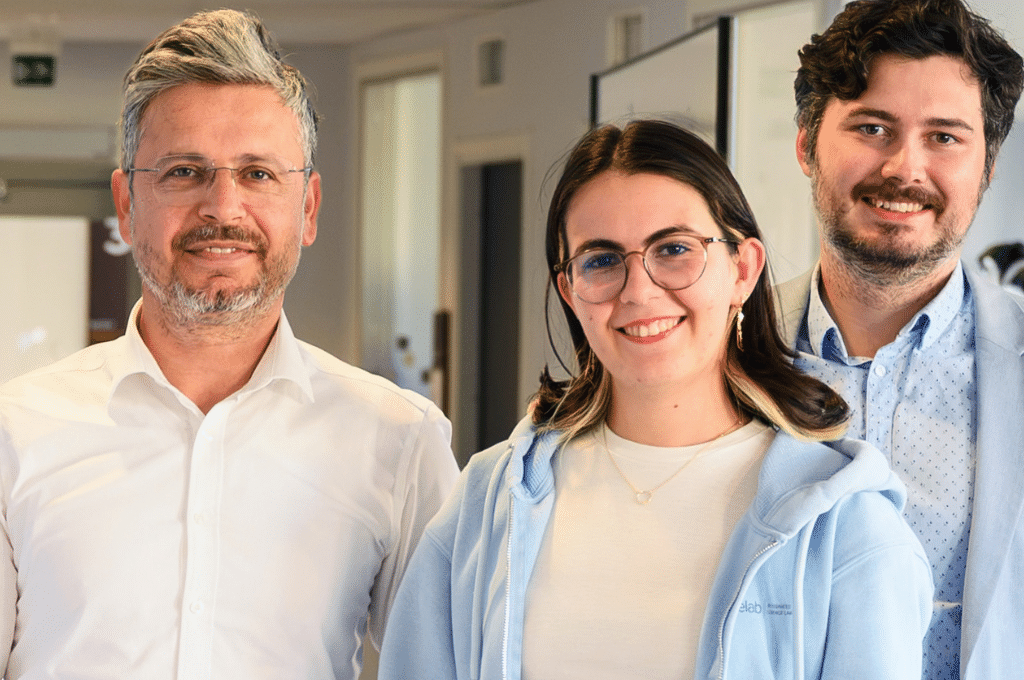
“It feels like a pretty natural progression in my career, to start picking up these methods that complement what I do, to become an even better structural biologist. There’s a lot of talk about integrating methods, at SciLifeLab as well,” says participant Anton Sellerberg, Research Engineer at the Swedish National Infrastructure for Biological Mass Spectrometry (BioMS) in Lund.

“They drop crystals, shoot a laser at them, and solve the problem”
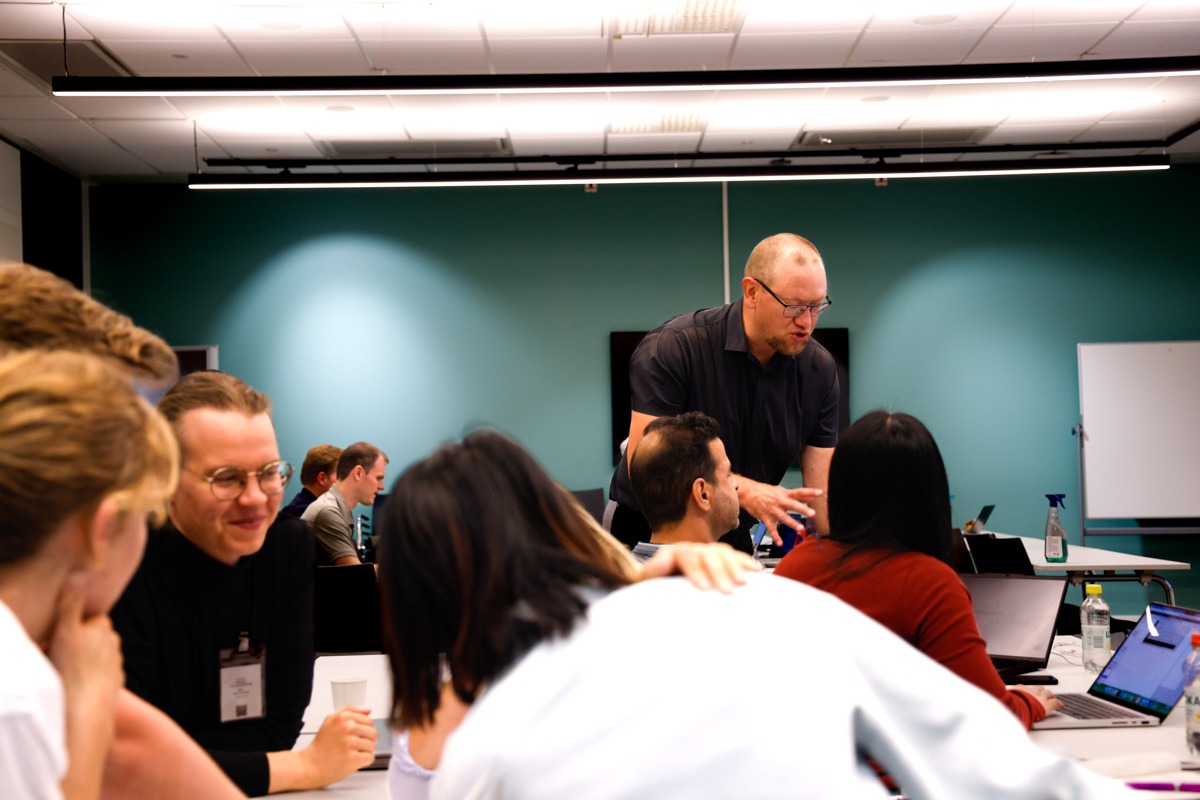
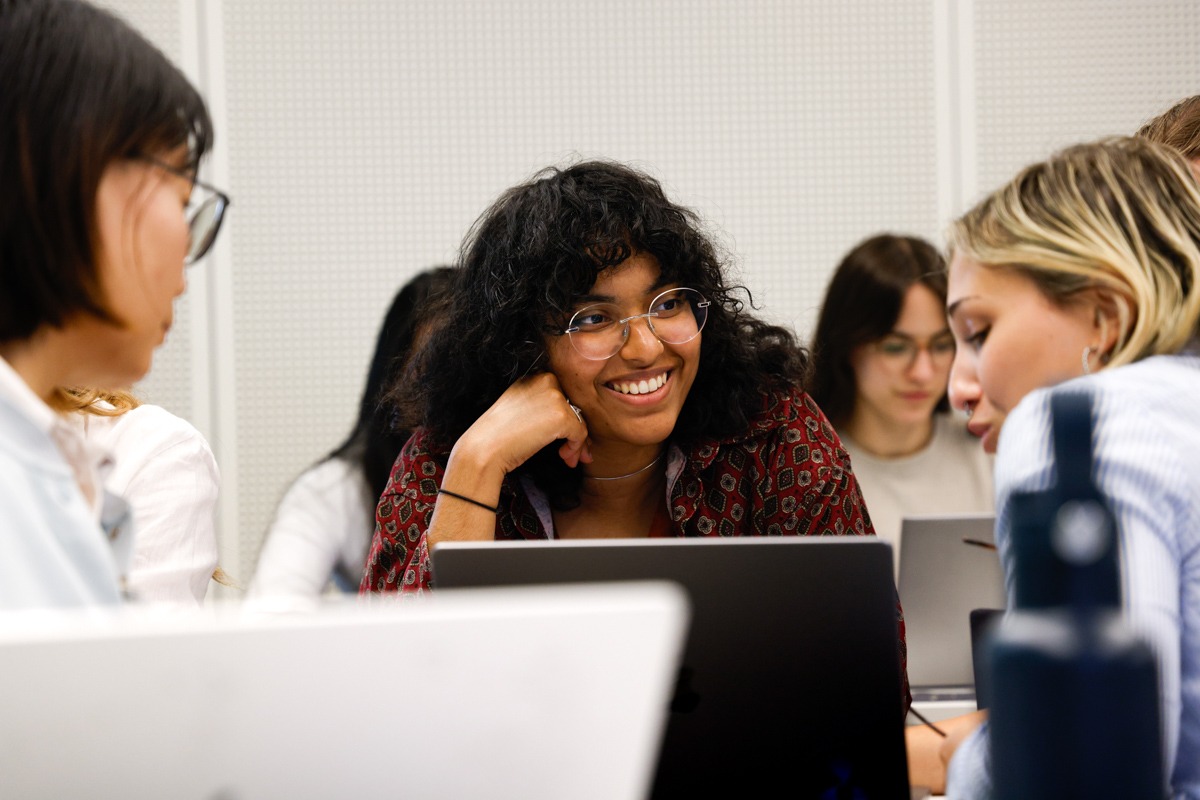
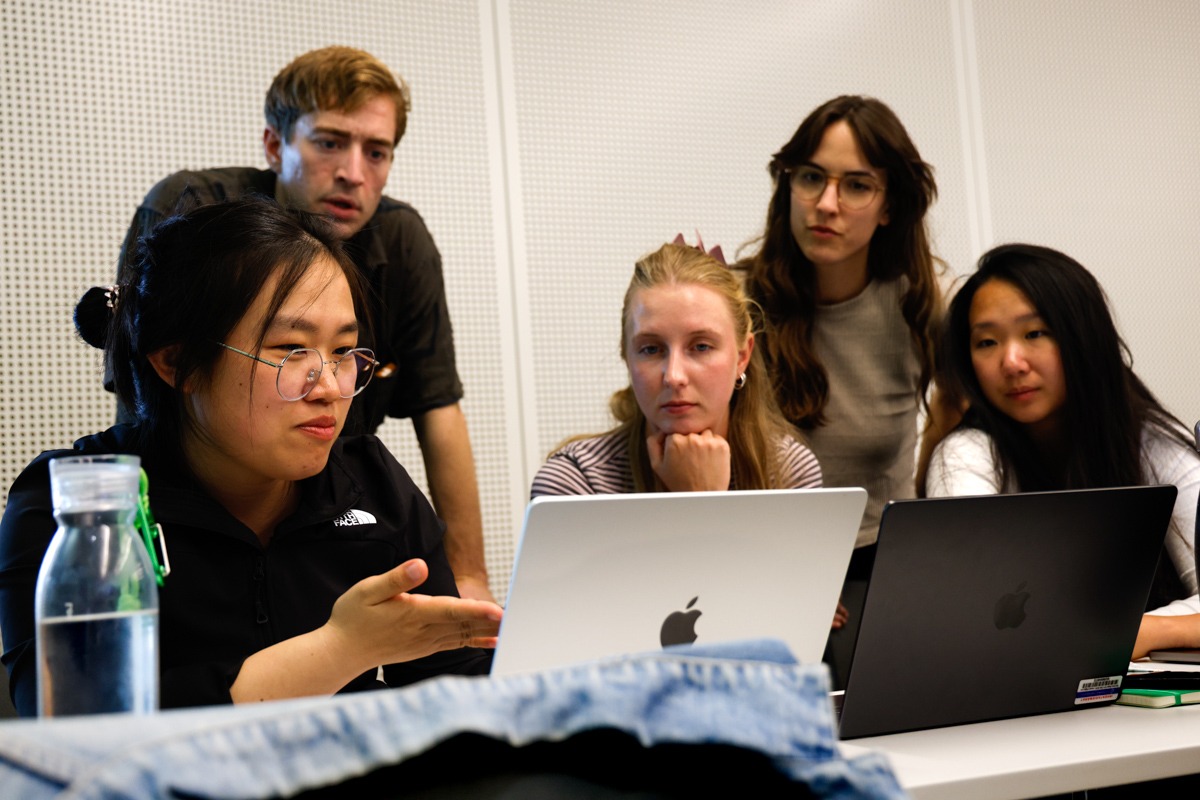
Participants get introduced to a wide range of structural biology techniques available at research infrastructures in Sweden, through lectures, site visits, and hands-on discussions with experts and each other.
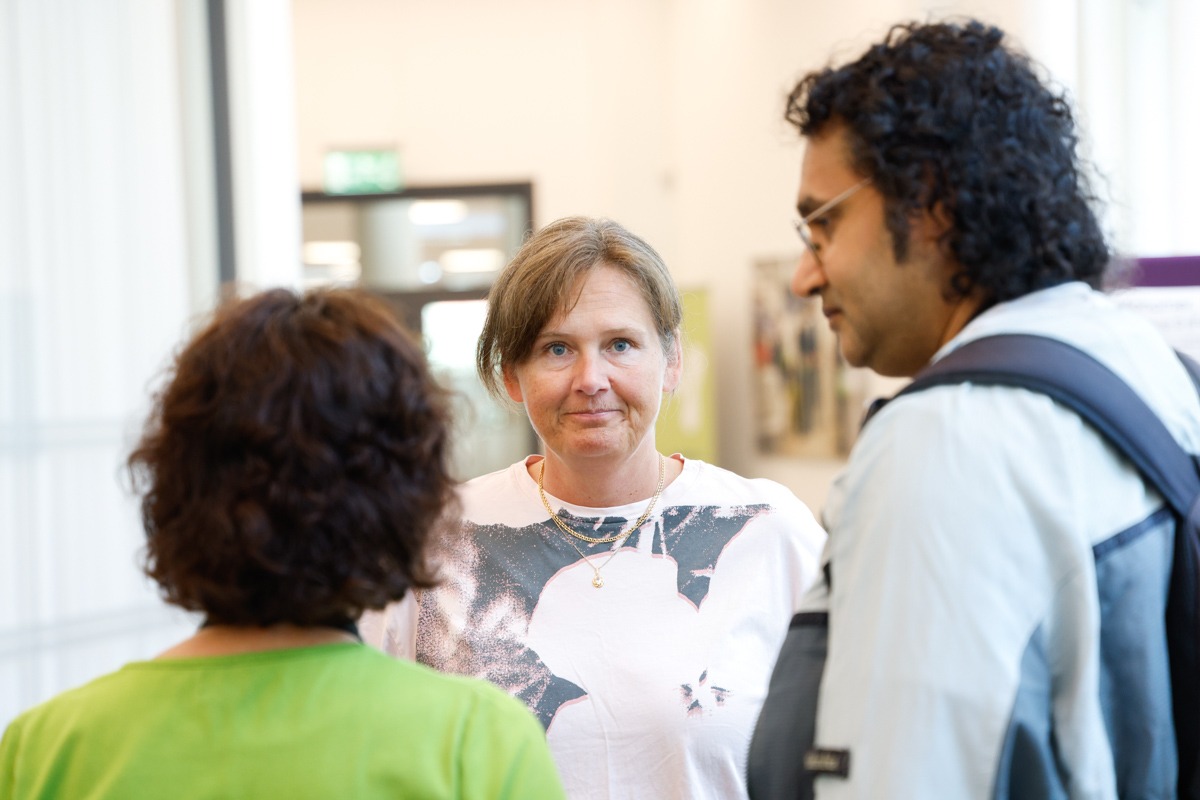
“Besides getting introduced to the different techniques, we want the students to start to network. Structural biology is developing into more and more integration between techniques and therefore networking is crucial”, says Cecilia Persson, Platform Coordination Officer at the SciLifeLab Integrated Structural Biology Platform and organizer of the course.
In addition to the scientific program, the course includes social activities such as dinners and informal gatherings, providing further opportunities to connect with fellow participants and instructors.
“You get some ideas about what people can do and how difficult it is. Because often it’s just like, ‘Damn, they can do time-resolved stuff too… They drop crystals, shoot a laser at them, and solve the problem.’ But then you realize it takes several months to set that up. It’s harder than it looks when you’re sitting at a conference and someone talks about what they’ve done,” says Anton Sellerberg.
The course covers Cryo-EM (cryogenic electron microscopy); NMR (Nuclear Magnetic Resonance); Structural proteomics; Crystallography; SAXS (Small-Angle X-ray Scattering) and SANS (Small-Angle Neutron Scattering); Biophysical characterization; Computational aspects, including AlphaFold; and Protein production.
Keep a lookout for the next edition of the course at scilifelab.se/events and subscribe to the newsletter to receive updates on all our events and courses.