
New rapid sequencing method enables same‑day antibiotic resistance readouts
Researchers at SciLifeLab and Karolinska Institutet have developed a fast and cost‑efficient method that can detect antibiotic resistance within hours. This could enable same‑day antimicrobial susceptibility testing in clinical settings.
The study, published in Cell Reports Methods, presents s5PSeq, a simplified RNA‑sequencing approach that measures how bacteria respond to antibiotics within minutes. The method captures characteristic molecular “stalling” patterns in bacterial RNA. These patterns reveal how bacteria respond to antibiotics, providing a functional readout of antibiotic sensitivity without waiting for cultures to grow.
Demonstrated on a major clinical pathogen
Using clinical Clostridioides difficile isolates, the team showed that s5PSeq distinguishes erythromycin‑resistant and sensitive strains after only 10 minutes of antibiotic exposure. This proof‑of‑concept highlights the method’s potential to support faster treatment decisions and strengthen infection‑control efforts.
A key step toward clinical translation is that s5PSeq works seamlessly with portable Nanopore sequencing platforms that can be deployed in clinical labs. The combined workflow can deliver reliable results from just a few thousand reads, which could enable rapid, on site AMR (Antimicrobial resistance) diagnostics.
A new tool in the fight against AMR
AMR is a growing global health challenge. By providing rapid, information‑rich phenotypic data, s5PSeq offers a promising alternative to traditional growth‑based tests and gene‑based molecular diagnostics.
According to senior author Vicent Pelechano, SciLifeLab researcher and professor at KI: “We urgently need new tools to combat AMR. Our approach shows that fast, accurate phenotypic testing is possible with simple, accessible sequencing platforms.”
DOI: 10.1016/j.crmeth.2026.101327
Key terms
Resistance readout
The measurable test results that show whether bacteria can survive or grow in the presence of a specific antibiotic.
Major clinical pathogen
A bacterium, virus, fungus, or parasite that commonly causes disease in humans and is a frequent cause of infections treated in healthcare settings.
Antimicrobial resistance (AMR)
When bacteria and other microbes change so that medicines designed to kill them no longer work.
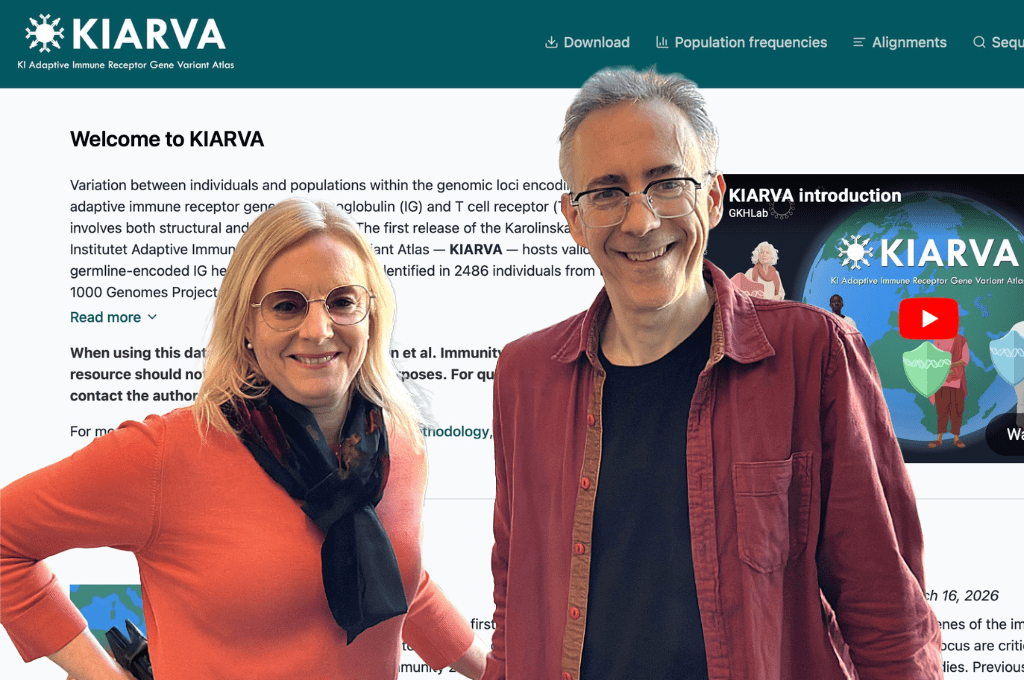
In the photo: Vicent Pelechano and first author Honglian Liu (PhD student at KTH)