
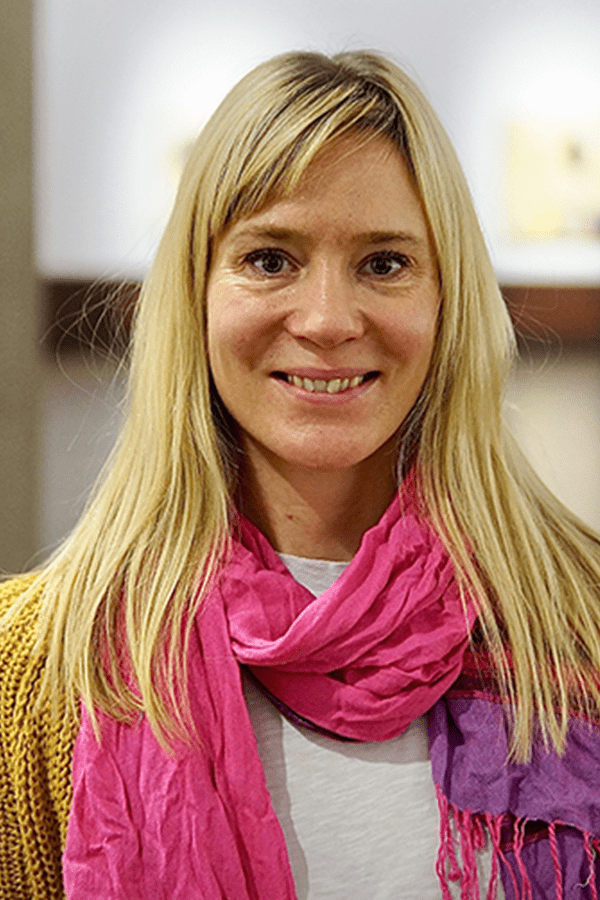
We are developing protein- and AAV-based therapies for neurodegenerative diseases, such as Alzheimer’s disease and Parkinson’s disease. We handle the entire pipeline – from the design of the therapeutic construct to in vivo testing in murine disease models.
Therapeutic antibodies used today typically cannot cross cell membranes or the blood–brain barrier (BBB). The goal of our research is to open new possibilities: we design and evaluate multispecific antibodies where one part binds the pathogenic target (such as aggregated protein forms) and another part acts as a transporter to bring the therapeutic antibody to its target deep inside the brain. A major focus of our lab is to overcome the BBB, a notorious obstacle for large biologics such as antibodies, by exploiting receptor-mediated transport systems. We have, for example, engineered a “brain shuttle” by fusing single-chain variable fragments (scFv) targeting the transferrin receptor (TfR) to an antibody selective for amyloid-β (Aβ) protofibrils (Hultqvist et al. Theranostics 2017). This design allowed efficient receptor-mediated brain uptake: two hours after administration, concentrations of the modified antibody reached levels comparable to small molecule drugs in the brain, many times higher compared to unmodified antibodies. More recently, the group has developed an in vitro BBB model platform to evaluate and refine similar brain-delivery strategies, reducing reliance on animal experiments and accelerating preclinical screening for biologic therapies (Morrison JI et al. Mol Pharm 2023).
Another focus of the research group is to identify and evaluate novel treatment strategies for neurodegenerative diseases, exemplified by studies where amyloid-beta degradation was induced in the hippocampus by upregulating the enzyme neprilysin via brain-targeting somatostatin (Hultqvist et al. Theranostics 2021, Rofo et al. ACS Chem Neurosci 2021, Metzendorf NG et al. Biomed Pharmacother 2025).
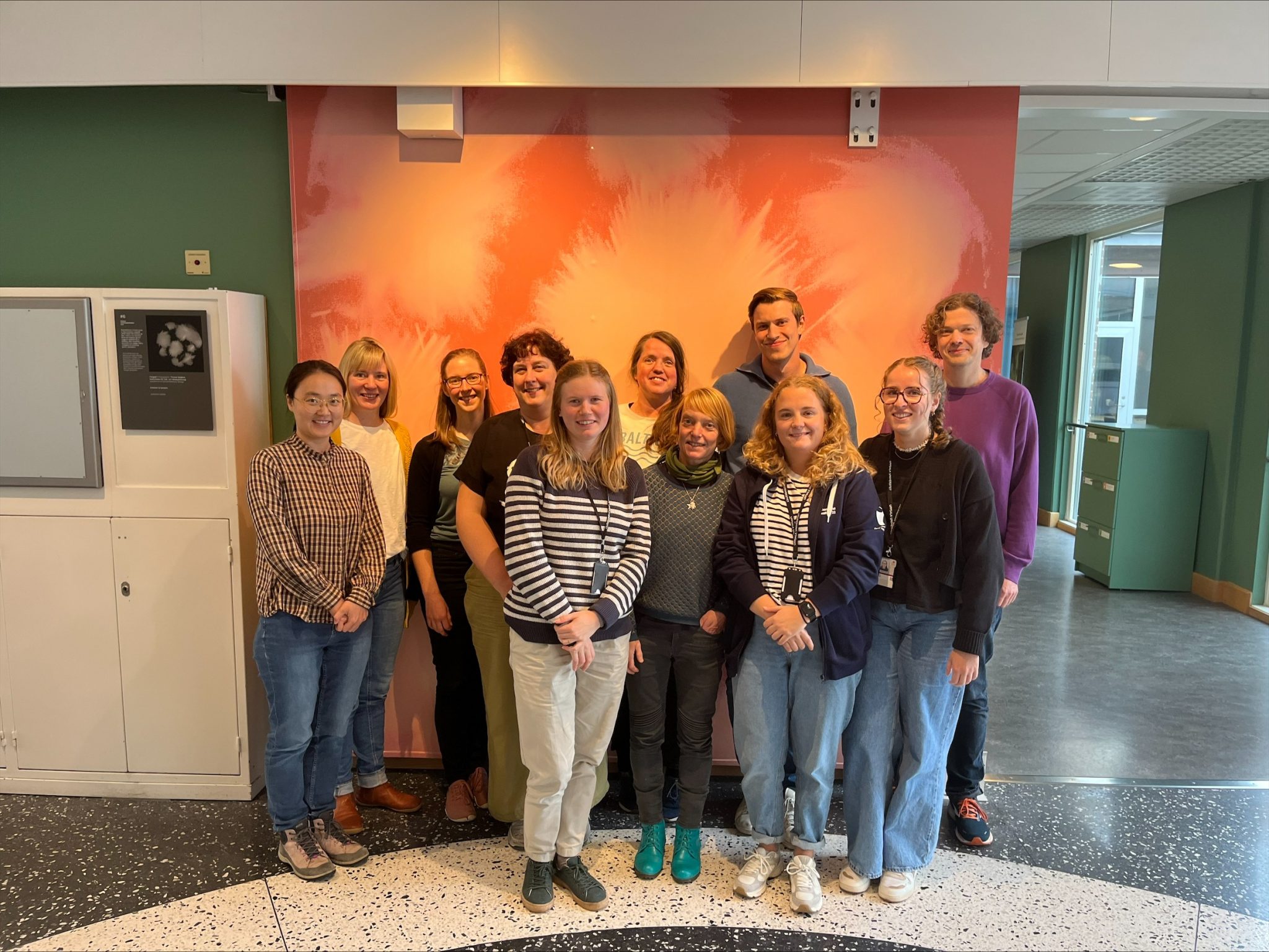
Group Members
Greta Hultqvist,
Doreen Dobritzsch,
Ana Godec,
Prune Leroy,
Jielu Liu,
Inga Petersen,
Bence Réthi,
Gustaf Hederoth,
Nicole Metzendorf