
Our mission
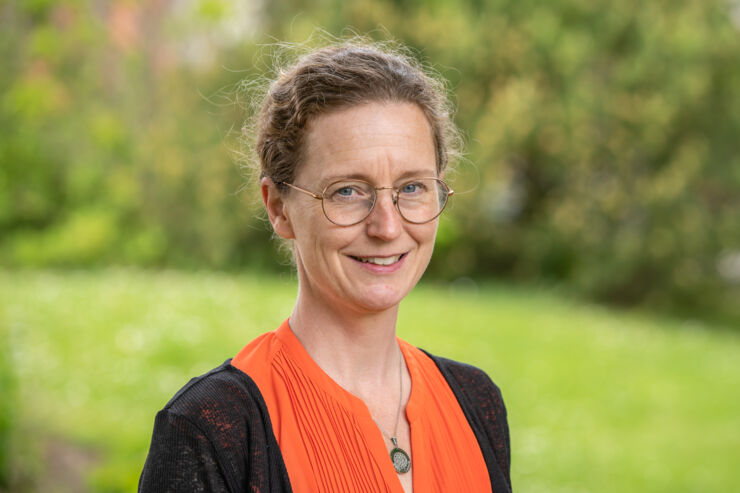
I am a Professor in Medical Microbiology at Linköping University, where I lead interdisciplinary research at the intersection of epigenetics, infectious diseases, and translational drug discovery. My central ambition is to deepen our understanding of host–pathogen interactions and to harness epigenetic mechanisms to inform new diagnostics and therapeutics for diseases such as tuberculosis and post-COVID-19 condition.
Our research is driven by curiosity and commitment in contributing to solutions in medical aras where resources are limited. We strive to uncover the molecular signatures and pathways that define disease progression, immune resilience, and lung health, using cutting-edge approaches that integrate high-content phenotypic assays, DNA methylation profiling, and physiologically relevant human models.
Our values
INSPIRATION: Scientific discovery begins with asking bold questions, the kind that reshape how we understand biology and health.
COLLEGIALITY: Great science is a team endeavour. We foster an environment where curiosity, respect, and shared success fuel creativity and growth.
SCIENTIFIC RIGOR: We hold ourselves to the highest standards of experimental integrity, reproducibility, and analytical precision.
IMPACT: We aim to translate mechanistic insights into practical solutions, from biomarker discovery to actionable compound hits that can benefit healthcare and society.
FREEDOM TO EXPLORE: We embrace unconventional ideas and experimental paths, knowing that true breakthroughs often arise from places others have overlooked.
Our strengths
As part of the SciLifeLab and Chemical Biology Consortium Sweden (CBCS) communities, we offer expertise in high-content screening (HCS), robust compound evaluation in BSL-2/3 contexts, and integrated analysis of host response phenotypes. Our platforms leverage primary human lung cells and advanced imaging to identify compounds that modulate both pathogen activity and host immune responses, bridging basic biological insight with early-stage drug discovery.
We also lead initiatives such as PULMO, a collaborative project aimed at charting DNA methylation-based biomarkers across a diverse cohort of respiratory patients, establishing a foundation for clinical data sharing and data-driven healthcare.
Our work is guided by a shared belief: that understanding the interplay between epigenetics, infection, and immunity can unlock new paths toward precision diagnostics and therapeutics grounded in scientific curiosity, powered by teamwork, and aimed at real-world impact.
Group members
- M.Sc. Hans Lundquist
- M.Sc. Lovisa Ellinger
- Dr. Sadaf Kalsum
- Dr. Shumaila Sayyab
- Dr. David Martinéz