[The Svedberg seminar] – Liquid Biopsy: From Discovery to Clinical Application
September 8 @ 15:15 – 16:15 CEST
Catherine Alix-Panabières
Professor of Oncology
University Medical Center of Montpellier, France
Bio
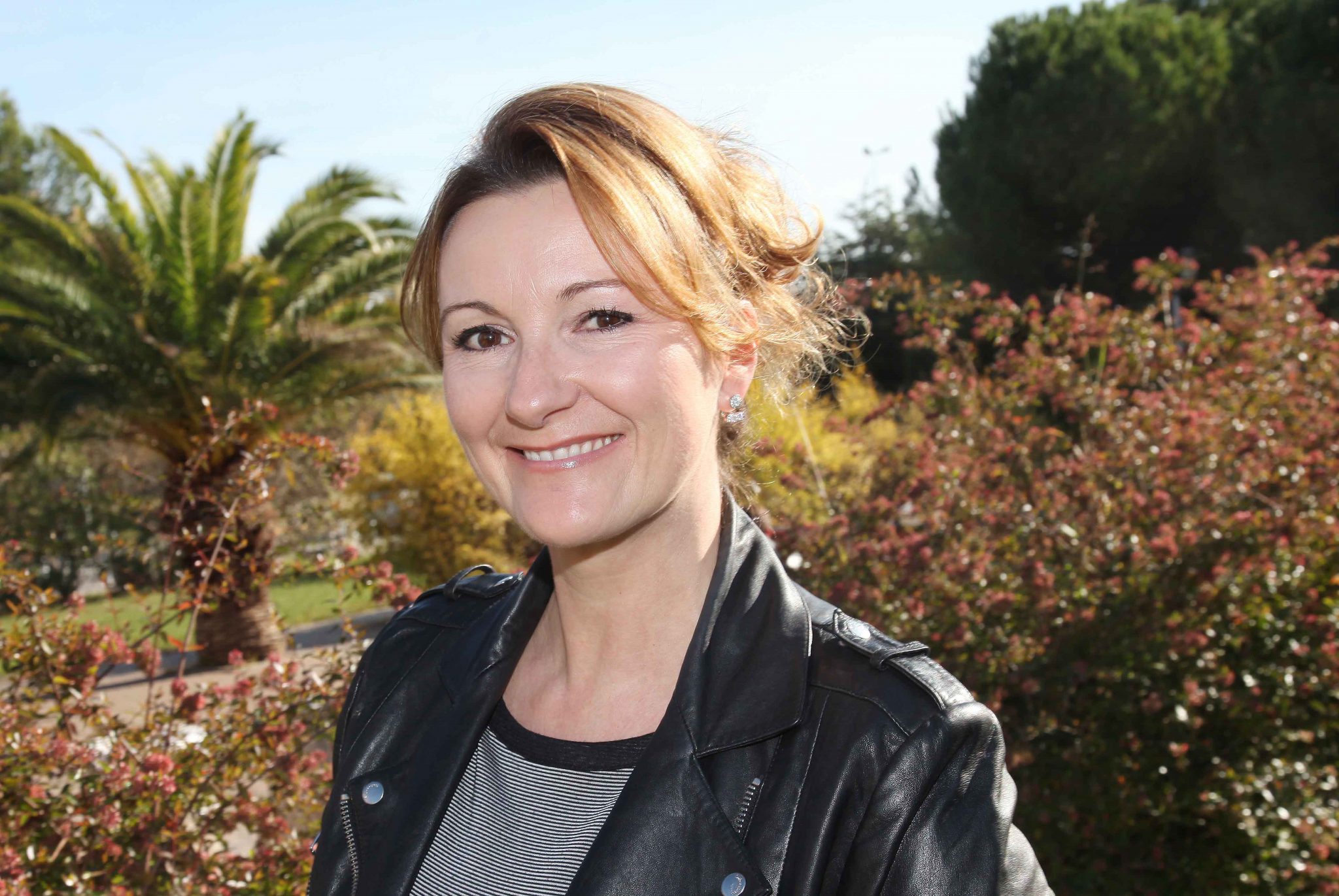
Catherine Alix-Panabières is a Professor of Oncology and the Director of the ‘Laboratoire de Cellules Circulantes Humaines Rares et Biopsie Liquide’ (LCCRH) at Montpellier University Hospital and the Faculty of Medicine. Since 2022, she has also held the position of Professor at the University of Hamburg in Germany. A specialist in circulating tumor cell (CTC) research for 26 years, she is credited with coining the term “liquid biopsy” in 2010, in collaboration with Prof. Pantel. Professor Alix-Panabières instructs students in this subject at academic institutions in France and abroad, has organized numerous international conferences, has published over 165 scientific articles and numerous chapters in books and encyclopedias, has filed three patents and has collaborated on numerous European, American, and Asian research projects. Her most significant contribution is the demonstration of the clinical utility of CTCs in breast cancer. She has been the recipient of numerous accolades in France and abroad, including the “Gallet et Breton” prize in 2012 and the “Berthe Péan, Antoine et Claude Béclère” prize in 2023, bestowed by the Académie Nationale de Médecine. In 2022, she played a pivotal role in the cancer exhibition at the Cité des Sciences et de l’Industrie (Paris), which was curated by the National Institute of Cancer (INCa). Furthermore, the esteemed journal Nature, in its December 2020 issue, acknowledged the significance of liquid biopsy as a pivotal advancement in cancer research over the past two decades and showcased the contributions of Prof. Alix-Panabières throughout her career.
Liquid Biopsy: From Discovery to Clinical Application
This lecture explores how circulating tumor cells (CTCs) and circulating tumor DNA (ctDNA) have transformed cancer research and clinical care. I will provide an overview of current technologies for detecting these biomarkers, detailing their biology and their role in real-time monitoring of cancer progression. Advances now enable genomic, transcriptomic, and proteomic profiling of CTCs, as well as functional studies using patient-derived cell lines. Likewise, ctDNA offers a non-invasive method to track tumor evolution and minimal residual disease. The lecture will highlight how CTC and ctDNA analyses have deepened our understanding of metastasis and therapy response. Expanding the definition of liquid biopsy to include tumor-induced immune components—such as immune cells, cytokines, and interleukins—could offer a more comprehensive view, particularly in the context of immunotherapy. I will conclude by discussing how CTC and ctDNA research uncovers mechanisms of immune escape and may guide the development of innovative strategies to improve cancer treatment.
Host: Masood Kamali-Moghaddam masood.kamali@igp.uu.se
 Google Calendar
  iCalendar