
Cells form the basic units of life but through coordinated interactions into higher-level tissue architectures. Studying this tissue structure of human and model organisms enables fundamental biological insight into how cells carry out emergent property functions during healthy and diseased conditions. Particularly topical examples include tissue organization through mesenchymal fibroblasts, epithelial stem cells, lymphoid aggregate structures, and vascular networks. A key research interest is understanding how regulation by transcription factors and alternative splicing shape tissue architecture in steady-state conditions across organs and following disease perturbations such as cancer, inflammatory bowel disease, and cardiovascular diseases. Improved conceptual and data-driven models of how the genome is regulated in different cellular and microenvironmental contexts will enable a better understanding of the heritability of complex disease risks and phenotypic traits. Here, comparing cells and their tissue niches across human organs and diseases focussing on immune-related structures provides a unique view for investigating mammalian cellular biology.
Advances in single-cell and spatial omics techniques have enabled unprecedented insights into the molecular biology of cellular and molecular processes. Computational biology plays an increasingly important role in interpreting such data, placing the application of novel machine learning and AI techniques at the forefront of modern biology research. Effective and creative application requires an interdisciplinary approach to science with diverse skillsets working together to achieve substantial discoveries and technical breakthroughs. Specific translational angles include early detection of cancers and inflammatory diseases from liquid biopsies and clinical imaging, along with the development of new immunomodulatory therapeutic strategies.
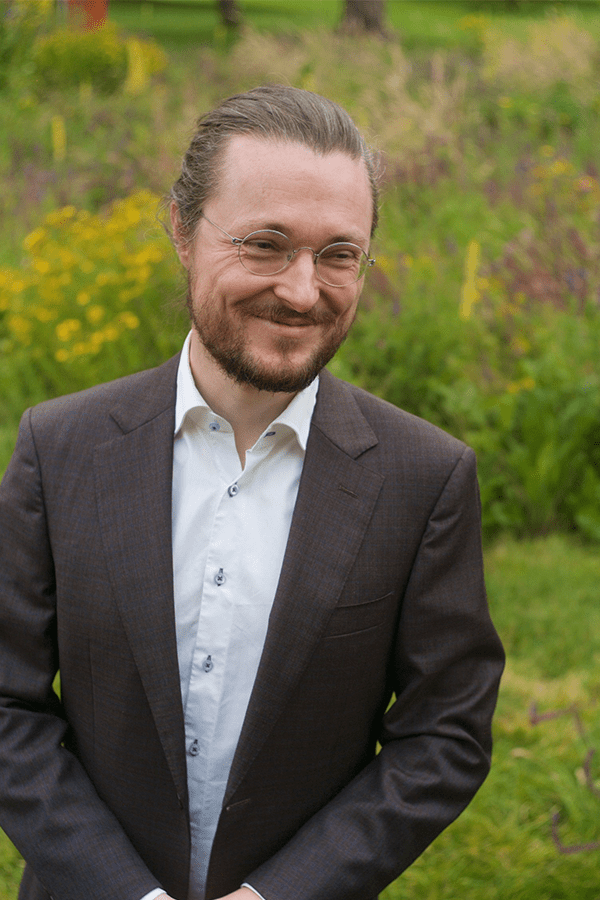
As an Assistant Professor in Computational Biology, SciLifeLab Fellow, and Group Leader Simon Koplev holds a PhD in Medical Science and postdoctoral experience from the University of Cambridge. He has 12 years of experience in academic bioinformatics research, having published papers in leading journals with more than 500 co-authors. The group is engaged with collaborative large-scale and open science efforts such as the Human Cell Atlas, developing the next generation of reference datasets and computational methods.
Group Members
- Mihkel Jesse (MS)
- Mohamad Askari (MS)
- Julia Nyman (MS)
- Veronika Smolkova (MS)
- Bára Vavřinková (BS)
- Maria Alejandra Ulloa (PhD co-supervised)
- Jorrit Stada (PhD co-supervised)