
Europe at a crossroad – turning science into industry
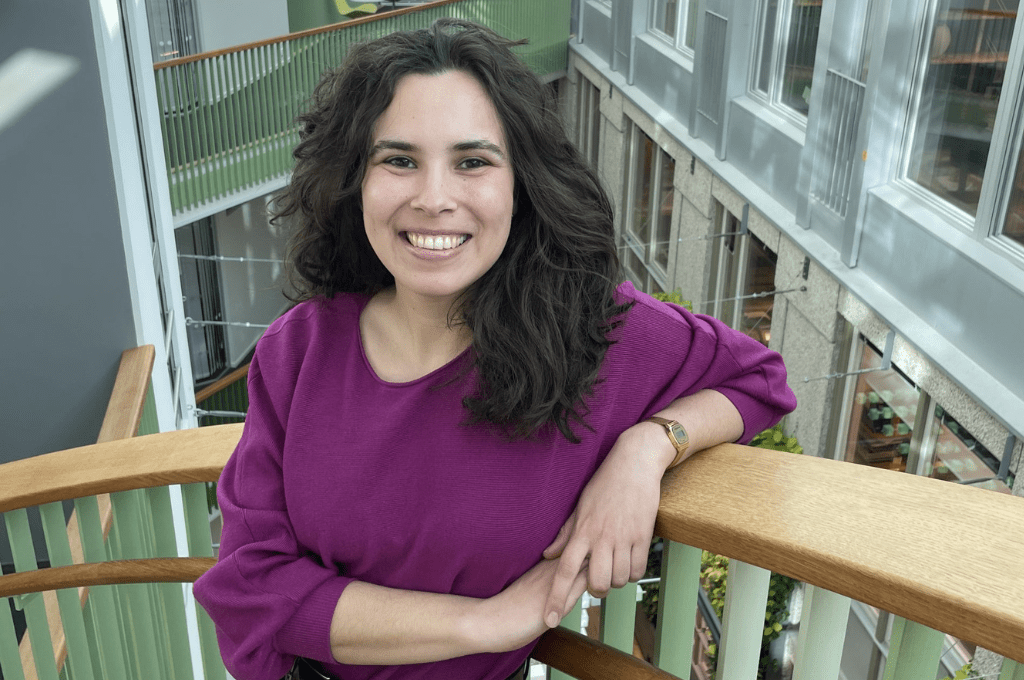
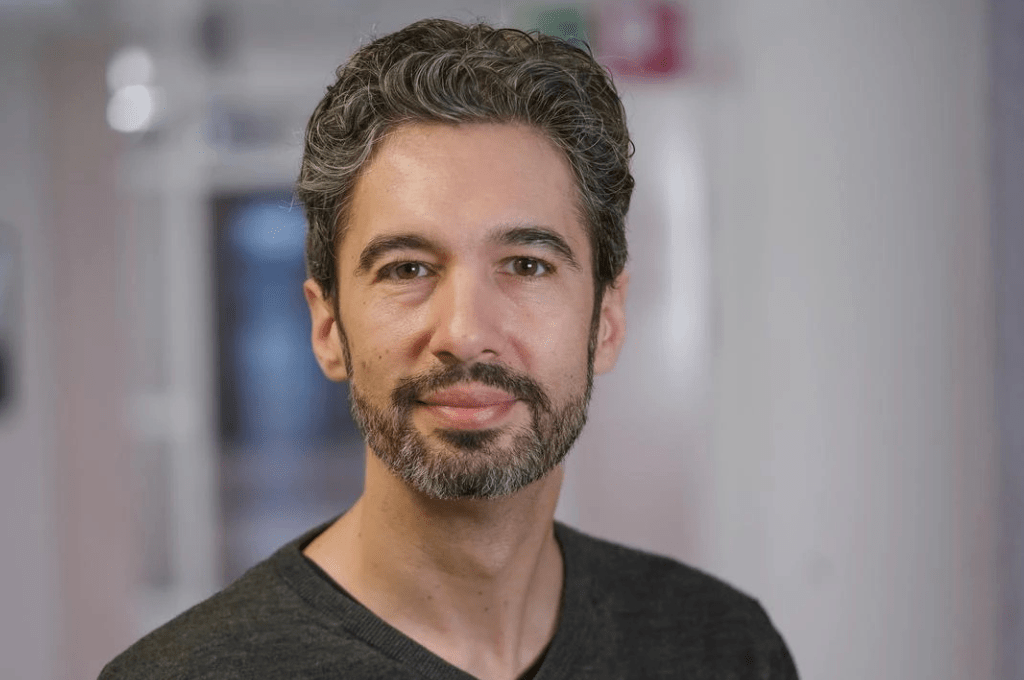
Sara Mangsbo, a SciLifeLab Group Leader and professor of protein and antibody therapeutics at the Biomedical Center (BMC), Uppsala University, who also co-founded several life science companies, sees both risks and opportunities in the current research landscape. Her wish is for Europe to take greater responsibility and build stronger bridges between universities and industry. In this interview, she is joined by Johan Christenson partner at HealthCap, who argues that Europe must also rethink how it mobilizes private capital to match its strong science: “There is no lack of capital in Europe, it is a lack of courage to release capital.”
The latest Science Barometer from Public & Science (Vetenskap & Allmänhet) shows that researchers at Swedish universities enjoy an almost unique level of trust: 87 percent of respondents say they have high confidence in them. The corresponding figure for researchers in companies is 59 percent, clearly lower, but still higher than trust in politicians at local, national and European level, where confidence is roughly one third. The survey confirms that researchers, especially at universities, hold crucial “trust capital” at a time when knowledge and facts are increasingly questioned.
The trust capital of academic research was also a key theme at a recent event organised by Confederation of Swedish Enterprise (Svenskt Näringsliv). During the panel discussion, Sara Mangsbo described how Sweden is affected by a changing international research landscape, where funding and collaborations shift between major regions. One of the key points in the report, is that Sweden has long relied heavily on US initiatives, not least in vaccine research and life science.
“We may have made ourselves too dependent on the US. We cannot leave leadership to a party that suddenly withdraws from it. We must therefore take greater responsibility ourselves, and we must discuss how this should be done at European level,” she says.
“The question is how we can build larger and stronger industries in this area. The European market must become less complex and more uniform if we are to succeed in attracting capital,” she notes, pointing out that European venture capitalists need to match investments made in other parts of the world.
Johan Christenson, who was not involved in the report, comments on the current state of interaction between public investment and private capital, and offers his perspective on what needs to change:
“R&D is not innovation; however, strong science drives innovation. Innovation needs both competence and capital. Pension capital as a source of capital would play a very important role to strengthen and leverage translation of science to innovation by investing in experienced venture capital firms. This is directly linked to economic growth.”
Johan argues that stronger European capital and industry engagement are key and adds: “Involvement of industry early in the innovation process increases efficiency, strategic focus and access to competence.”
He continues: “It needs to be a harmony between public and private investments taking into consideration basic science support, translation of science to innovation, collaborative infrastructures (”innovation districts”) and incentives for individuals to move in between academia, industry and health care (in the specific case of life science and health).
For further perspectives from Sara Mangsbo and other contributors to the report including Mathias Uhlén, Bertil Andersson and Mats Benner, see the report Så påverkar Trump forskningen i Sverige – att navigera i en antivetenskaplig värld.