

Self-sampled blood spots reveal diverse immune responses in the general population
In a recent study published in iScience, researchers affiliated with SciLifeLab and the Human Protein Atlas (HPA) examined how immune responses varied among randomly selected citizens during the COVID-19 pandemic. By combining self-sampled dried blood spots with antibody and proteomic analyses, they captured a detailed view of immune variation outside clinical settings.
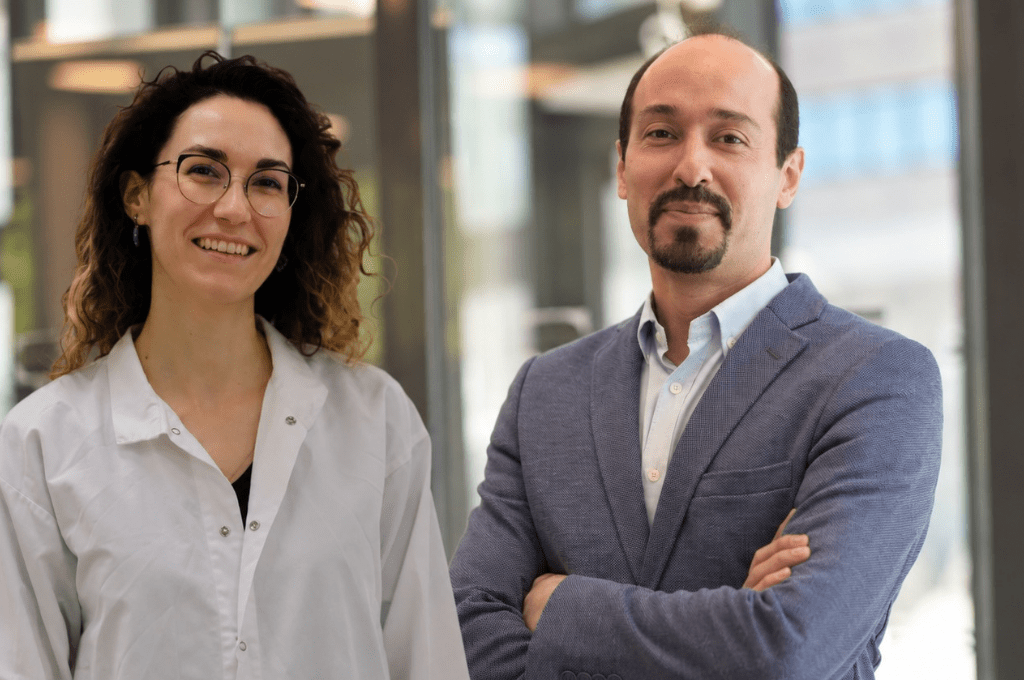
“Most immune studies during the pandemic focused on hospitalized patients,” says first author Leo Dahl, researcher at SciLifeLab/HPA and KTH. “We wanted to understand what the immune landscape looked like in the general population.”
Mapping immune responses outside clinical settings
In 2021, 2,000 residents aged 18–69 from Sweden’s two largest cities were randomly invited to participate. A total of 437 volunteers provided dried blood spot samples and health information. The timing was informative. Vaccination campaigns were underway, but exposure across the population was still uneven.
Using multi-analyte serology, the researchers confirmed self-reported infections and vaccinations. When the antibody profiles were clustered, participants separated into expected groups: vaccinated only, infected only, both infected and vaccinated, or neither. The patterns largely matched self-reported data.
Some individuals deviated from these patterns. Recently vaccinated participants had not yet developed detectable antibody responses, while in others antibody levels had declined over time. The findings highlight how timing influences measurable immunity.
Proteomic profiling reveals hidden immune variation
The study also included broader proteomic profiling. In total, 502 low-abundant immune-related proteins were measured, alongside screening for autoantibodies against 22 interferons. Data-driven analyses suggested that nearly a quarter of participants displayed immune phenotypes that differed from the majority. Patterns associated with infection history, age, and respiratory effects.
The project was carried out in close collaboration between researchers connected to the HPA at SciLifeLab. “It’s a very close and special collaboration,” says SciLifeLab and KTH researcher María Bueno Álvez, who contributed the protein interpretation of the affected proteins and integrate the findings with existing HPA data. “I was involved to broaden the proteomics perspective, and combining that with the antibody data was important for interpreting the results.”
A scalable method for population-level immune monitoring
Beyond the specific COVID-19 context, the study demonstrates that dried blood spot sampling can support deep molecular profiling in randomly selected individuals. Hundreds of proteins can be analyzed from a minimally invasive sample, collected without requiring clinical visits.
The approach provides a scalable way to study immune diversity at the population level and may be applied regardless of disease. This makes us better equipped for potential future pandemics.