
New units presentation: CBCS Linköping
The CBCS Electrophysiology unit in Linköping is part of the Chemical Biology Consortium Sweden (CBCS) and is now further integrated within SciLifeLab’s infrastructure. The unit provides access to electrophysiology methods for studying ion channels, which play a central role in cellular signaling and cardiac function.
The unit operates within a growing ion channel research environment at Linköping University. While electrophysiology has long been part of CBCS activities, its integration within SciLifeLab strengthens access to functional assays that are relevant for both basic research and early-stage drug discovery.
What CBCS Linköping offers
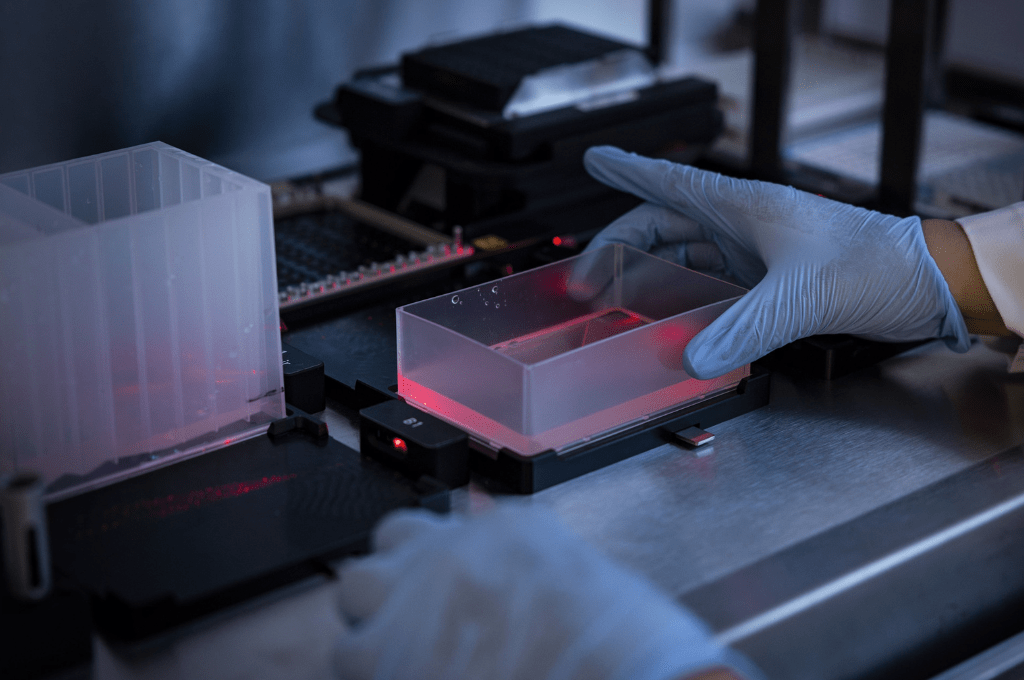
The core capability is automated patch-clamp, enabling efficient and reproducible analysis of how compounds affect ion channel activity. This can be complemented by manual patch-clamp for more detailed characterization or specialized experimental setups.
A significant focus is on cardiac ion channels, including assays used to assess both therapeutic potential and safety risks. The unit also contributes to research in toxicology, for example through collaborations investigating how substances affect ion channel function in overdose scenarios.
Support is provided throughout the research process, from experimental design to data interpretation. Users do not need prior experience in electrophysiology, and the unit works closely with other CBCS and SciLifeLab resources to connect complementary expertise when needed.
As part of SciLifeLab, CBCS Linköping aims to maintain accessible, high-quality support while meeting growing demand for ion channel assays in both academic and applied research.
Visit the CBCS Linköping website (scroll down to nodes and click on Linköping)