
New enzyme maps DNA damage with precision
With people living longer, cancer is becoming increasingly prevalent. In 2022 alone, 20 million people developed the disease, and the World Health Organization estimates that one in five people will receive a diagnosis during their lifetime. Behind cancer are changes in our DNA, often caused by damage such as single-strand breaks. A recent study in Nature presents a precise method to pinpoint where in the genome those breaks occur.
Researchers at SciLifeLab and Uppsala University, working with experts from NGI and NBIS, have developed a method that can map single-strand breaks and assess whether chemicals cause DNA damage.
With this method, we have … been able to conclude that every cell contains an average of approximately 5000 single-strand breaks
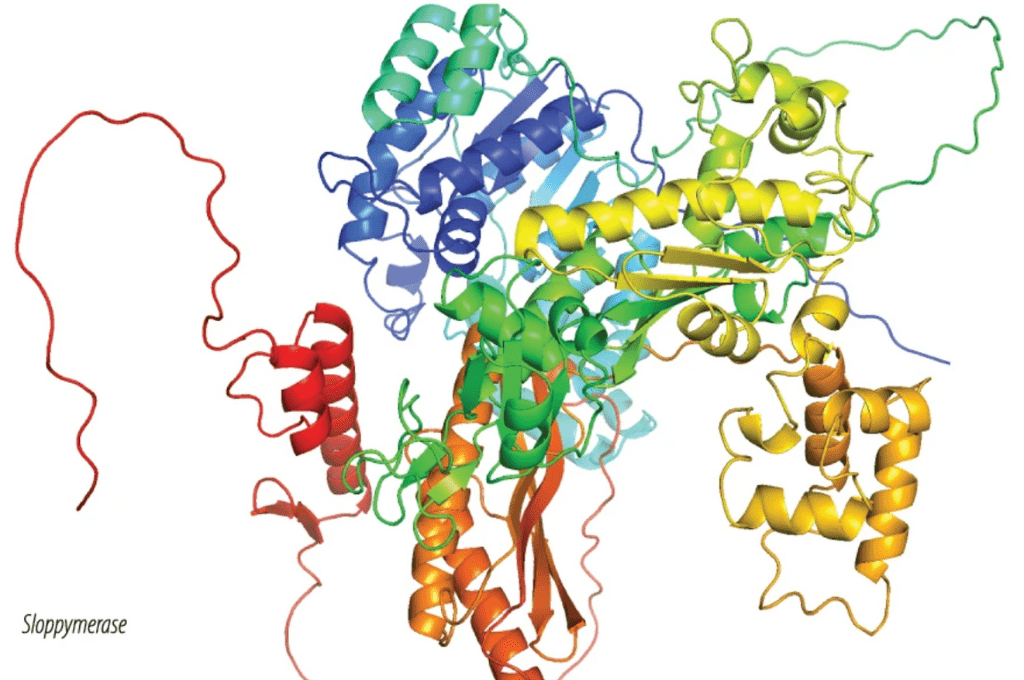
“Our method is based on the new artificial and error-prone enzyme, Sloppymerase, binding to single-strand breaks in DNA and repairing the damage by incorporating wrong nucleotides… With this method, we have studied where single-strand breaks in DNA occur and also been able to conclude that every cell contains an average of approximately 5000 single-strand breaks,” says Leonie Wenson, PhD Student and first author of the article.
Sloppy, only in the name: Sloppymerase has wide potential. It could advance research into diseases linked to faulty gene expression and improve the identification of toxic chemicals. Ola Söderberg’s team is now testing its use in molecular biology and preparing a study to track enzymes that cause DNA strand breaks.
“From day one, our ambition has been that the outcome of this work will benefit society… Our team has discovered several important clues to how transcription is regulated. Knowledge that in the long term might play an important role for new and more effective cancer treatments,” says Ola Söderberg, SciLifeLab Group Leader and Professor of Pharmaceutical Cell Biology.