On the hunt for safer and more sustainable plastics
BPA-based plastics have been shown to have health concerns. A promising route toward safer plastics is now presented in a study published in Nature Sustainability, partly driven by molecular toxicology research conducted at SciLifeLab.
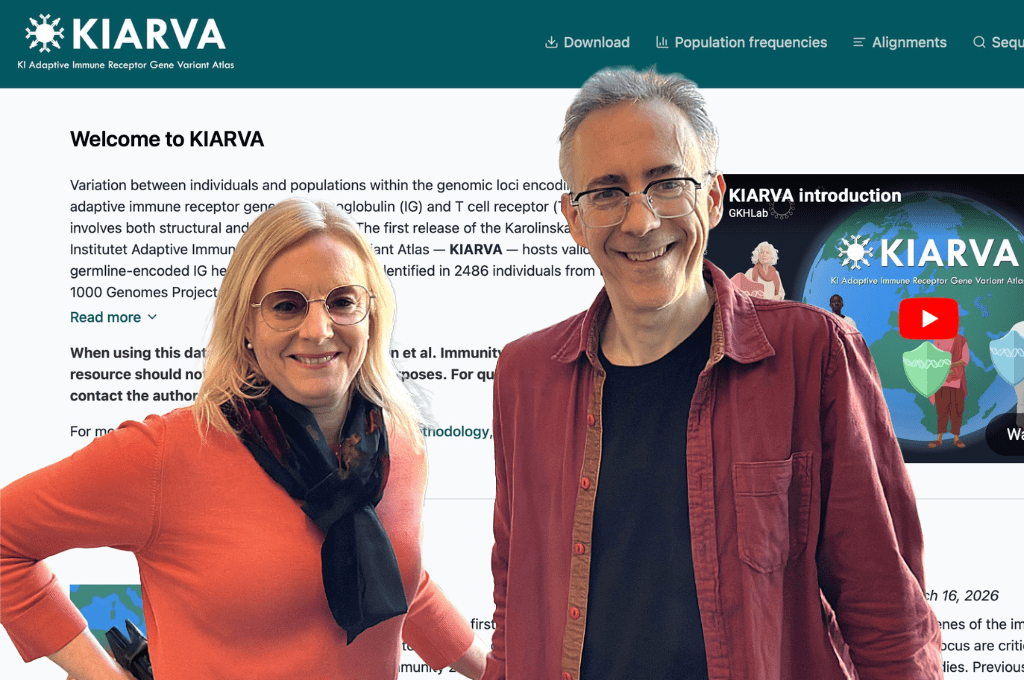
“Chemical pollution is one of the major global environmental challenges we face today, and many of the substances in use have never been thoroughly evaluated for their health effects,” says Professor Oskar Karlsson.
In a collaboration between KTH Royal Institute of Technology and Stockholm University, researchers have identified bio-based bisphenols with the potential to replace bisphenol A (BPA), a chemical widely used in consumer plastics and associated with hormone disruption and adverse health effects.
The study is centered around a Safe-and-Sustainable-by-Design (SSbD) workflow that integrates computational screening, sustainable chemistry, materials science, and high-throughput toxicology.
Starting with more than 170 bisphenol candidates, the researchers combined computational screening, sustainable synthetic chemistry and in vitro toxicology to ultimately select one alternative – BGF. The selected candidate was based on components derived from lignin, from plant biomass, and showed no estrogenic activity. It could also be easily manufactured. The bisphenol was thereafter successfully incorporated into a polyester material with promising properties for future consumer products.
Why replace BPA?
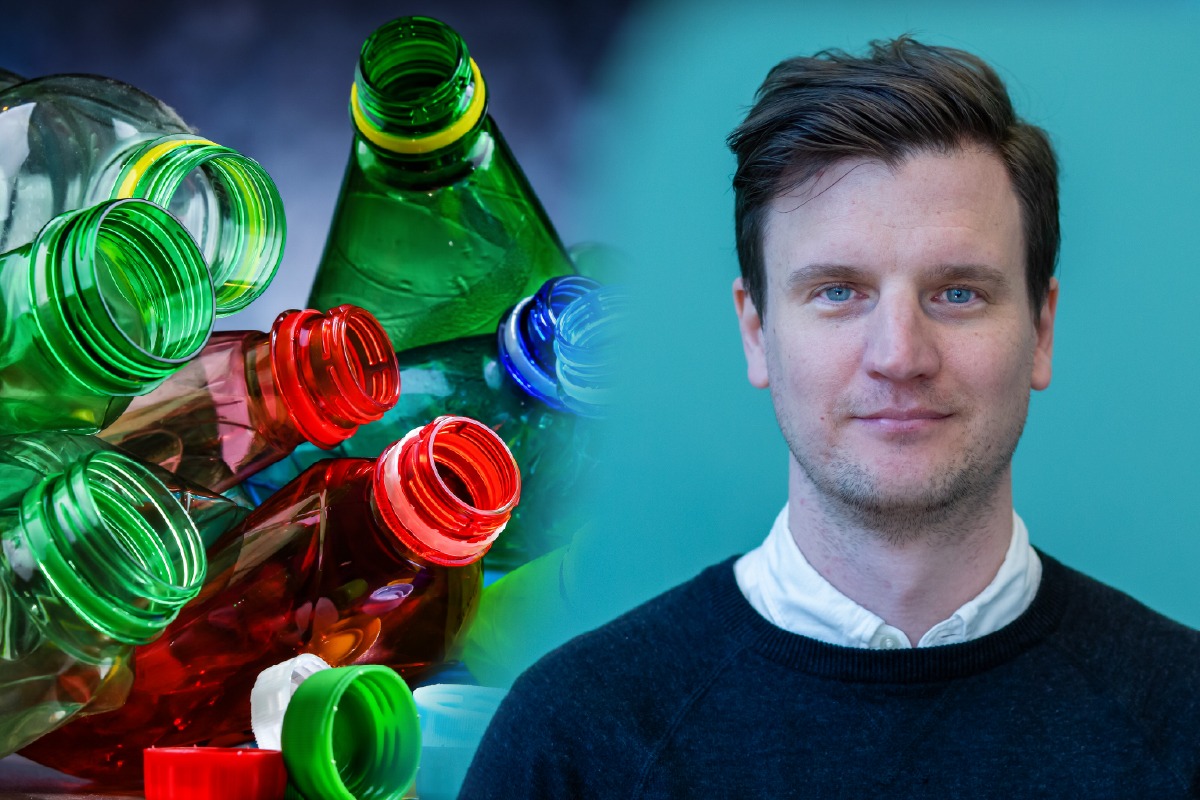
BPA is a key building block in polycarbonate plastics and epoxy resins found in everything from food packaging and water bottles to electronics and receipts. BPA is, however, well documented to mimic estrogen, interfering with the body’s hormonal signaling. A growing body of research links BPA exposure to altered reproductive development, metabolic disorders, and effects on brain development.
These concerns have led regulators worldwide to restrict BPA in many consumer products, but safe, high-performance alternatives have been lacking.
Toxicology essential to find safer candidates
The toxicology work was carried out at SciLifeLab, led by Oskar Karlsson Stockholm University Professor and SciLifeLab Group Leader. Using high-throughput in vitro assays, the team evaluated bisphenol candidates initially screened with computational approaches, examining their potential to activate estrogen receptors and disrupt endocrine pathways.
“High-throughput toxicology allows us to rapidly evaluate many candidates, which is essential to ensure that only the safest options progress,” says Oskar Karlsson. “At SciLifeLab, we have the infrastructure and expertise to carry out this kind of large-scale testing, which is key for identifying safe chemical building blocks early in development. It enables us to guide innovation toward solutions that protect both health and the environment.”
The need for multidisciplinary work
Beyond toxicology, the researchers demonstrated that BGF can be derived from bio-sourced raw materials and incorporated into polyesters with thermal and mechanical properties equal to or surpassing BPA-based plastics. This means BGF-based materials could be used for a wide array of products such as water bottles, eyeglasses, clothing, and furniture, without the estrogenic health concerns linked to BPA.
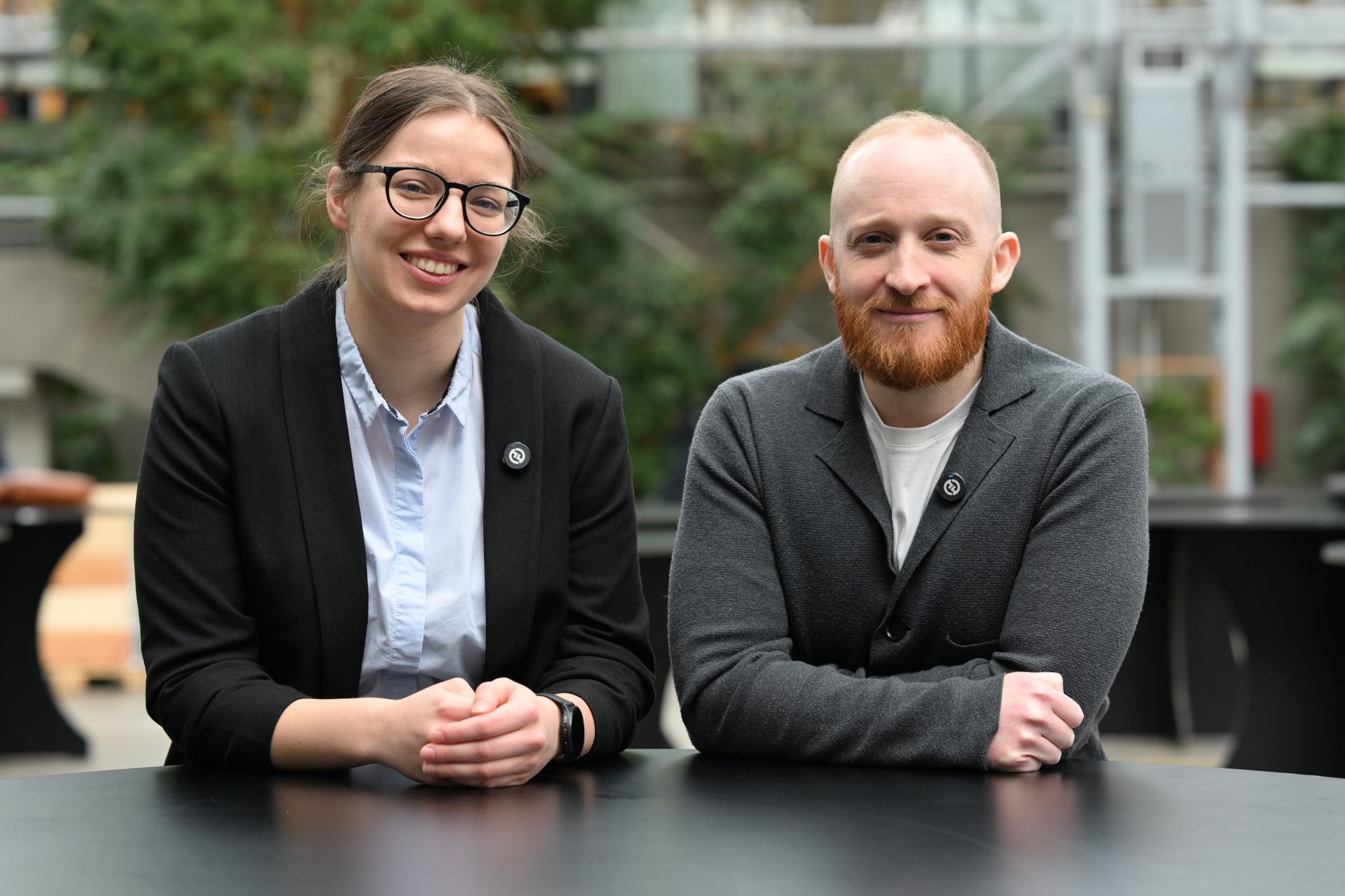
Helena Lundberg, associate professor at KTH Royal Institute of Technology, says the study demonstrates the advantages of working in a multidisciplinary team to minimize negative health and environmental impacts of new chemicals and materials. She also emphasizes that while further long-term toxicology and full life-cycle evaluations are needed before BGF-based materials reach the market, the study shows that safer, high-performance plastics are within reach.
“There is a clear need for a fundamental change in how we design and assess new chemicals. The SSbD approach helps us move toward materials that do not carry hidden health risks and that are produced with minimal environmental impact. This study is a concrete example of how we can build safer products from the start rather than dealing with the consequences later,” says Oskar Karlsson.
Learn more about the study and Helena Lundberg in the press release from KTH
DOI: 10.1038/s41893-025-01672-z
Nature Sustainability article: Safe-and-sustainable–by-design approach to polyesters from non-oestrogenic bisphenols