Researchers call for radical overhaul of the chemical sector
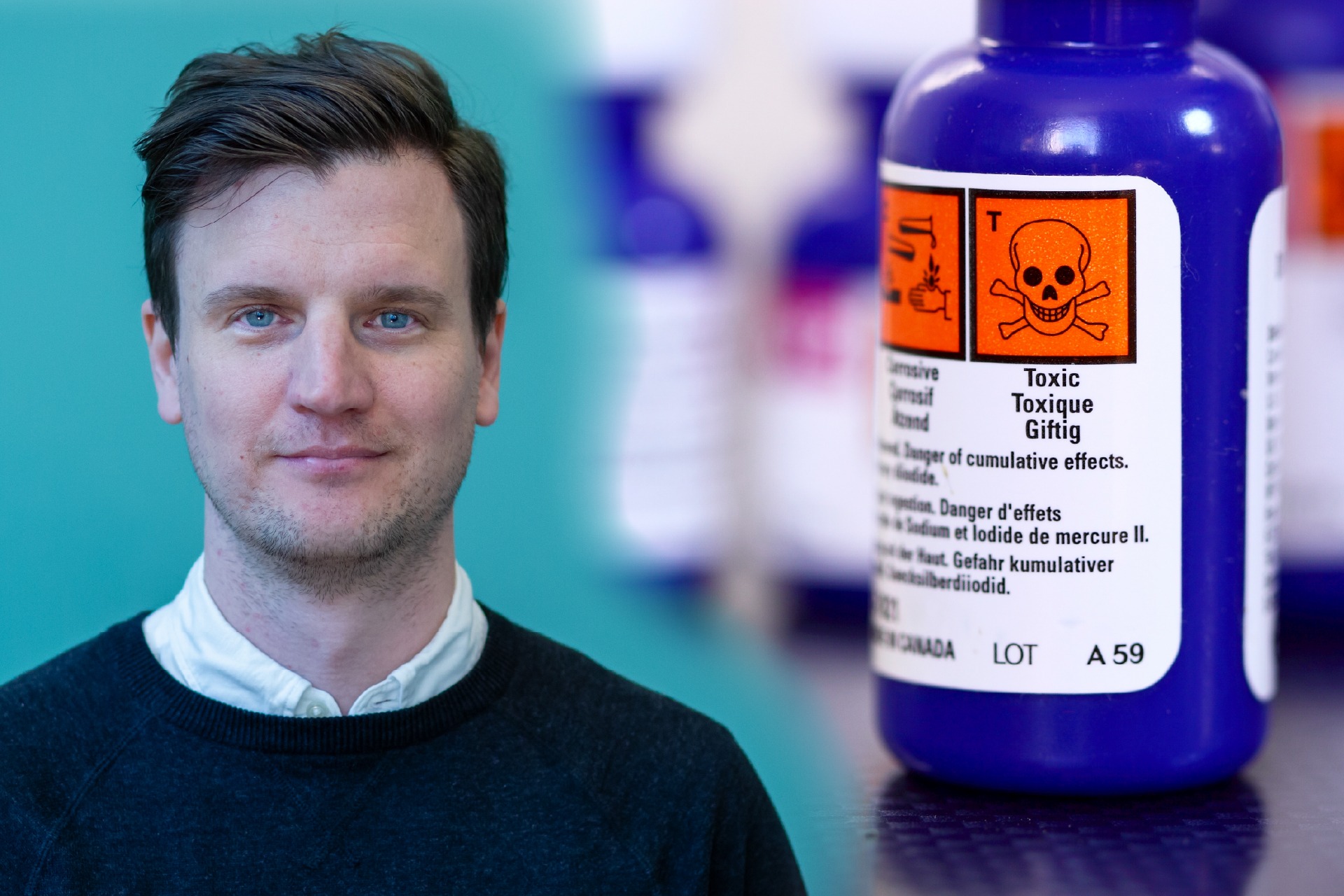
With around 350,000 chemicals on the market and insufficient data on their environmental and health impacts, a radical overhaul of the chemical sector is needed to tackle pollution, writes SciLifeLab and Stockholm University researcher Oskar Karlsson and colleagues, in a Nature Reviews Chemistry comment.
The article is based on the Stockholm Declaration on Chemistry for the Future, a new initiative that brings together researchers, decision-makers, and societal actors around the need for safer and more sustainable chemistry and materials. Chemistry has driven immense societal progress, from life-saving medicines and advanced materials to energy technologies.
Unfortunately, the authors argue, these advances also come at a cost: chemical pollution. People are exposed to thousands of substances that can affect human health, contributing to chronic disease and reduced quality of life. Chemical pollution also drives environmental harm – from the accumulation of persistent pollutants in air, soil, and water to biodiversity loss and ecosystem disruption.
“The core message is simple: safety and sustainability can’t be an afterthought in chemistry, they have to be designed in from the very beginning. The Stockholm Declaration is a call to make ‘safe and sustainable by design’ the default for how we invent, teach, regulate, and commercialize chemicals and materials, so we can align chemistry with planetary resilience and human well-being,” says Oskar Karlsson.
While the message is simple, turning words into action is much harder and requires alignment across the whole system, the authors find.
“Researchers can invent safer alternatives, but industry has to scale them, education has to train people to work this way, and policy has to reward and enforce the transition. Alignment is what turns isolated progress into real-world change,” says Oskar Karlsson.
Many chemicals on the market have not been properly tested, and the Declaration argues that there needs to be a shift from reacting to harm to preventing it through design.
“Some chemicals are safe and sustainable, but many are not, and our current system often identifies harm only after chemicals are already widespread. The long-term health and environmental costs can take decades to surface,” says Oskar Karlsson.
Learn more in the Comment from Oskar Karlsson, Berit Olofsson & Aji Mathew:
https://doi.org/10.1038/s41570-026-00798-8
The Stockholm Declaration on Chemistry for the Future is publicly available and open for signatures:
https://www.stockholm-declaration.org/