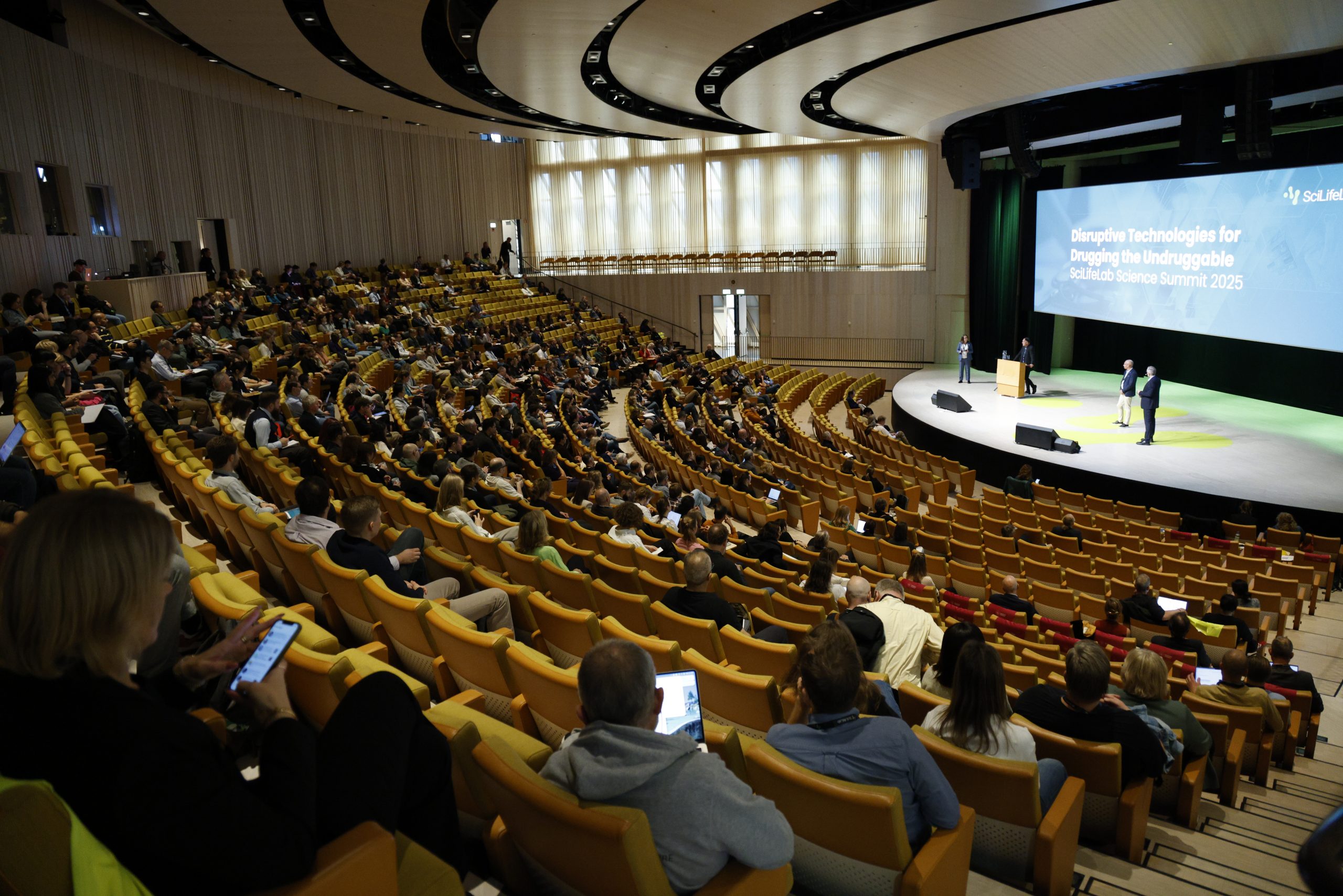
SciLifeLab Science Summit – Disruptive Technologies for Drugging the Undruggable
The SciLifeLab Science Summit 2025 – Drugging the Undruggable explores how new technologies and drug modalities can overcome the hurdles associated with previously perceived “undruggable” targets. The overall aim is to highlight new, innovative technologies enabling the development of tomorrow’s pharmaceuticals and treatments, and drive breakthroughs in medicine for the benefit of patients.
The summit featured international keynote speakers, including Ray Deshaies, Annemieke Aartsma-Rus, Dario Neri and Eva Nittinger, who shared their perspectives on pharmaceutical development. Focus was on how new therapeutic modalities that induce proximity can lead to completely new pharmacological outcomes, as well as be used for targeting of drugs. Another topic of the meeting was how technological breakthroughs in genomics and AI impact drug discovery. Furthermore, the program offered short talks, poster sessions, and ample networking opportunities, creating a dynamic forum where early-career researchers connect with leading experts across disciplines.
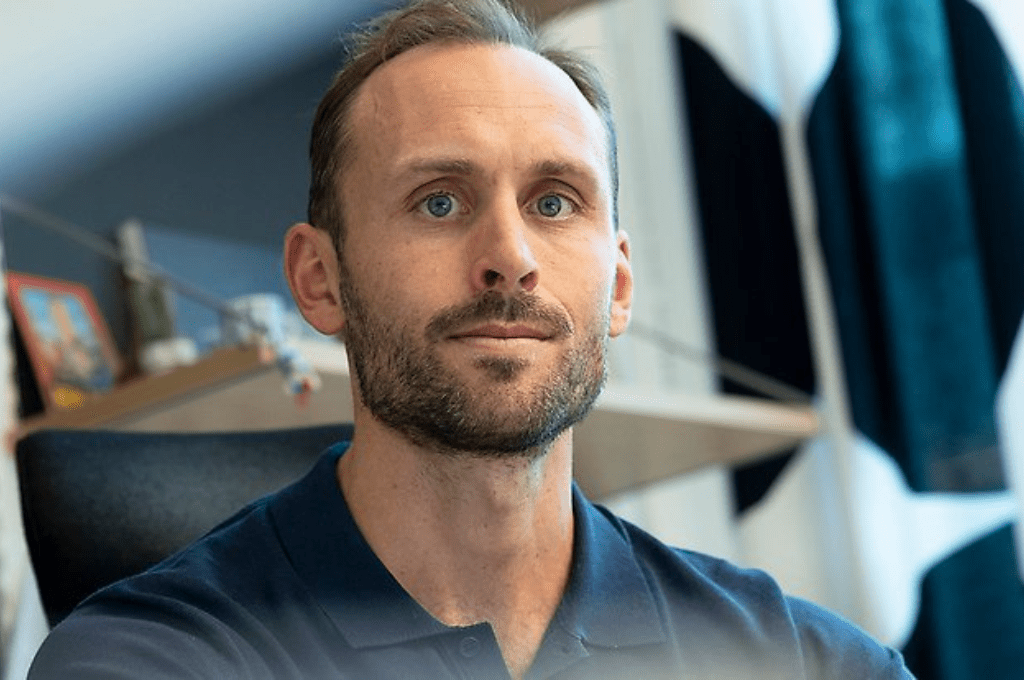
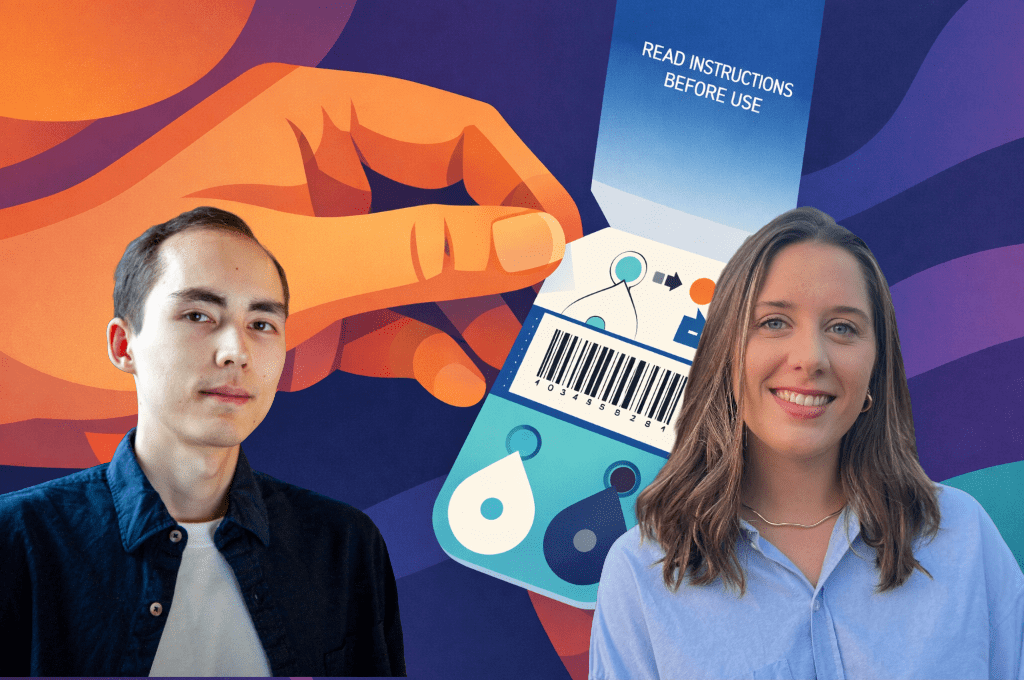
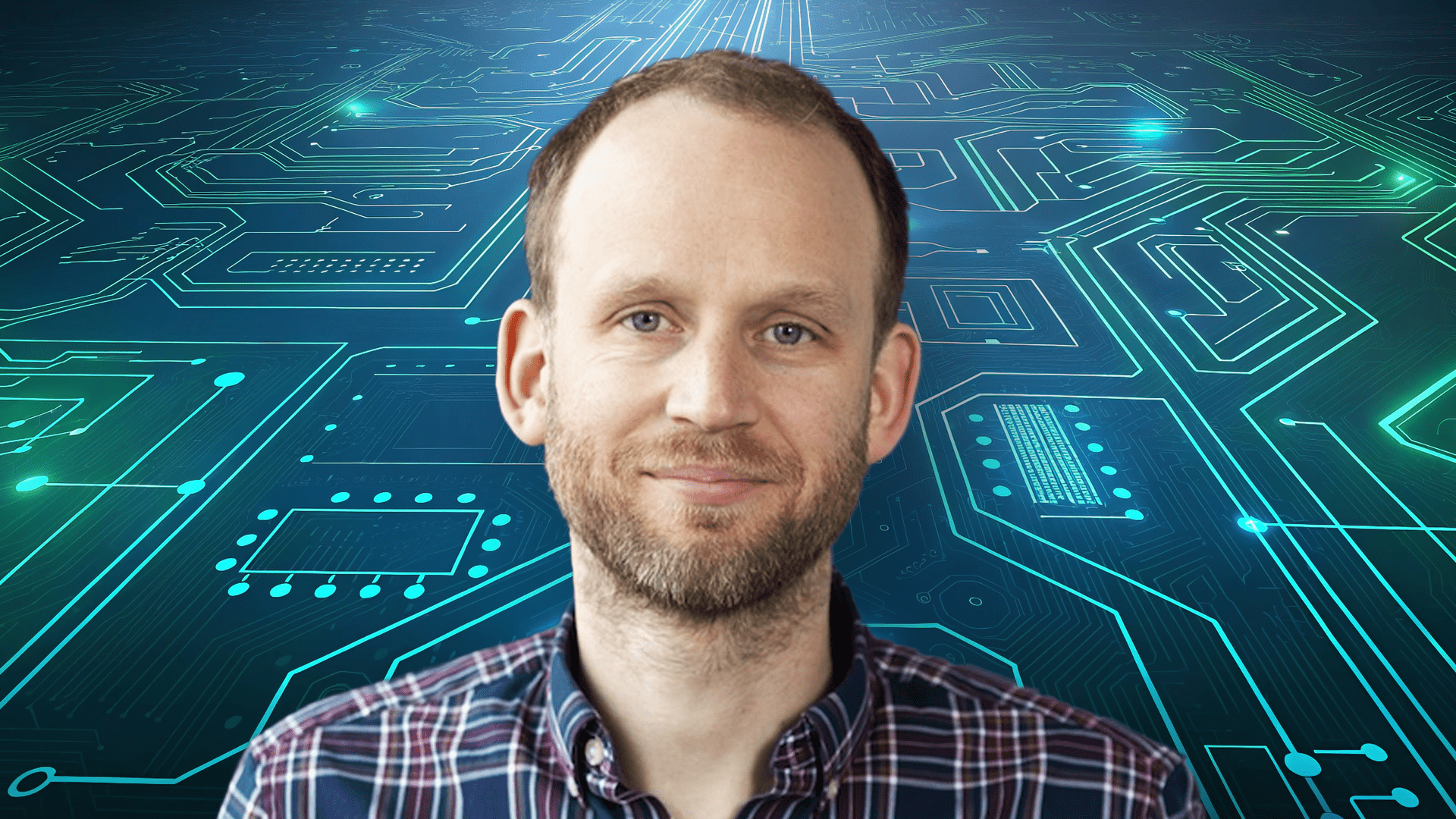
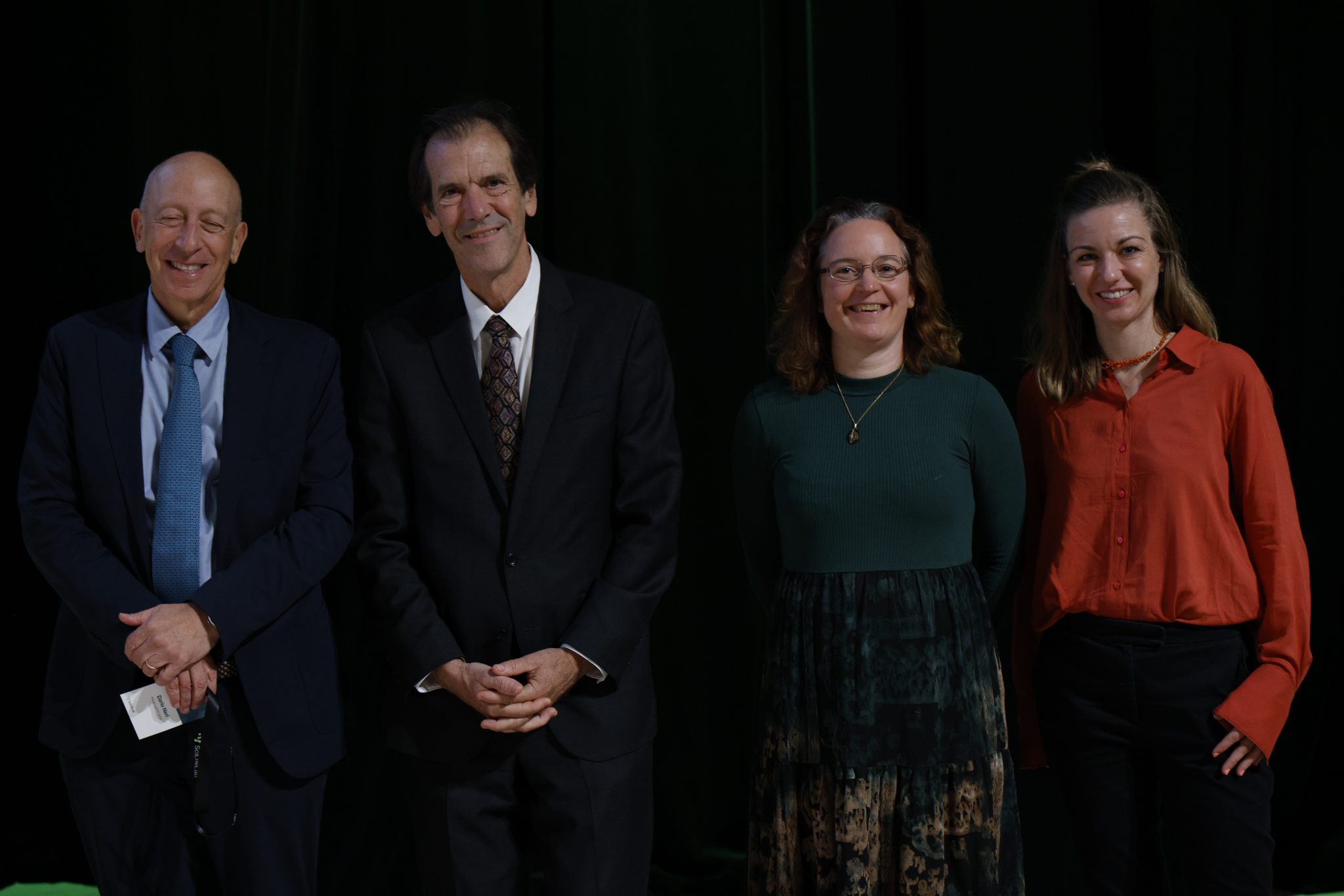
Keynote speakers, from left to right: Dario Neri, Raymond Deshaies, Annemieke Aartsma-Rus and Eva Nittinger.
SciLifeLab’s Drug Discovery and Development platform has over 50 experts working at six different universities ready to support scientists wanting to improve patient outcomes. Today the platform leads and coworkers were the hosts of the event, which gathered over 600 scientists, innovators and students. SciLifeLab Co-Director Mia Phillipson is an example of how academic discoveries can be translated into patient benefit through an industrial setting. Being not only Professor at Uppsala University, but also founder of the drug-developing company Ilya Pharma, she kickstarted the day with an overview of how SciLifeLab serves as a fertile ground for innovation.
“At SciLifeLab, we drive innovation to truly benefit society. My own approach of drugging the ‘undruggable’ focuses on local-acting immunotherapies, developed in the company Ilya Pharma now in clinical stage, to accelerating healing of skin wounds or epithelium through topical or oral formulations of our drug candidates, which also combats multi drug resistant bacterial infections. We also have an inhaled drug candidate in preclinical phase that we hope to be able to develop into products helping patients with lung disease”, said Mia Phillipson.
Raymond Deshaies, Caltech, and previously with Amgen, gave the first keynote of the day, focusing on how proximity-based drugs are today redefining pharmacotherapy. He has made a large number of discoveries in cell biology, including the function and regulation of cullin–RING ubiquitin ligases, the JAMM family of ubiquitin isopeptidases, the development of PROTACs, small molecules that direct specific proteins for degradation. He has also studied the Sec61 translocon, which transports proteins across membranes, and shown how nucleolar sequestration can act as a regulatory mechanism. Furthermore he has co-founded the company Proteolix, which has developed the cancer drug carfilzomib (Kyprolis), approved by the FDA in 2012 for the treatment of relapsed and refractory multiple myeloma.
“I want to focus today on the magic of multispecificity, and in particular dive into four things that multispecific drugs can do that conventional drugs cannot. First of all, multispecificity can confer the stability that a drug needs to carry out its mechanism of action. Secondly, a multispecific drug directed against multiple targets can overcome redundancy due to the presence of parallel pathways. Third of all, multispecific drugs can incorporate a ;molecular mail code that targets the drug to its desired site of action, thereby enhancing its therapeutic index. And lastly, matchmaker multispecific drugs can overcome “undruggability” said Raymond Deshaies and continued “There is a paucity of high-quality, novel targets that is driving intense focus on a small set of validated targets. We need new targets and we need new ways to go after challenging targets, by the way, I don’t like the term undruggable – eventually we will be able to drug anything, we just have to figure out how to do it” Deshaies continued.
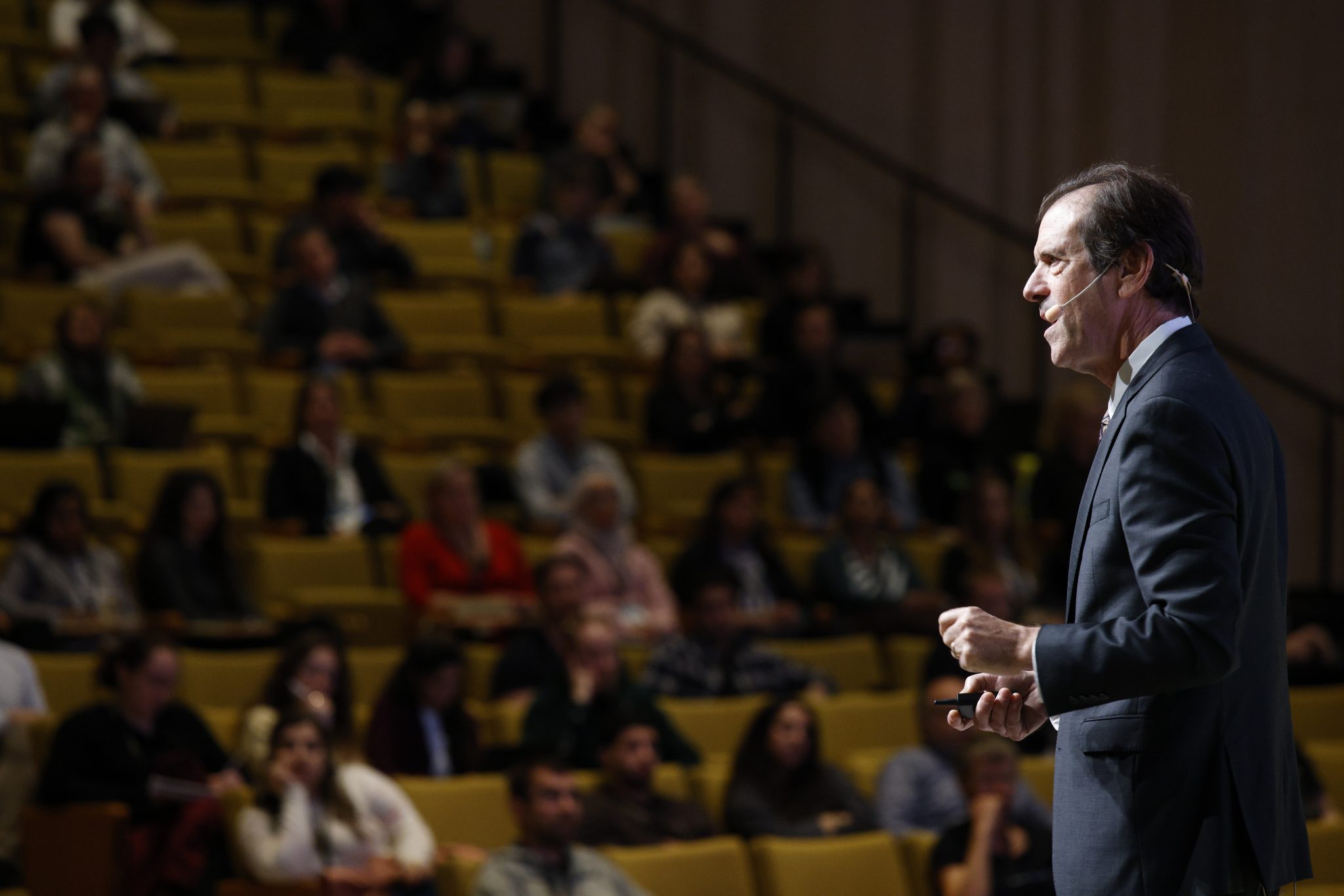
Raymond Deshaies, during his talk “Any target, every time: how proximity-based drugs are redefining pharmacotherapy”
Annemieke Aartsma-Rus, Leiden University Medical Center presented learnings from Duchenne exon skipping dystrophy to developing exon skipping for patients with nanorare diseases. She has been recognized by Expertscape as the most influential researcher in Duchenne Muscular Dystrophy and is a visiting Professor at Newcastle University’s John Walton Muscular Dystrophy Research Center. Furthermore, Annemieke is a skilled origamist, and during the day of the conference, she crafted colorful animals and fantasy creatures.
“By applying the lessons learned from Duchenne exon skipping, we can now begin to develop therapies for patients with nanorare diseases. Exon skipping offers a unique opportunity for mutation-specific treatments. Where for Duchenne the greatest challenge remains efficient delivery to skeletal muscle and heart, for the nanorare diseases we focus on CNS where local treatment is possible. Global collaboration and innovation will be essential to bring these approaches to patients” said Annemieke Aartsma-Rus, Leiden University Medical Center.
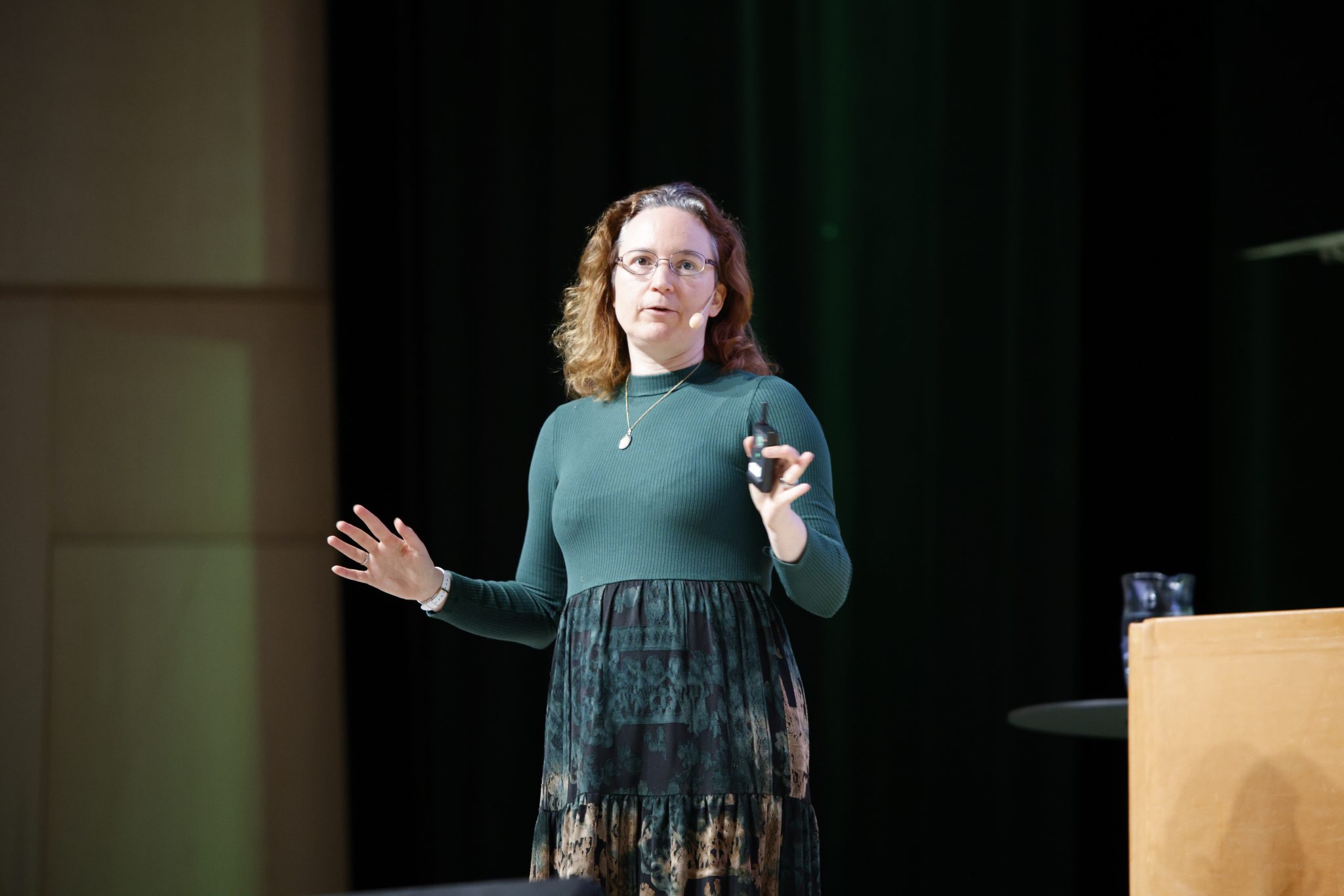
Annemieke Aartsma-Rus during her talk “Applying lessons learned from Duchenne exon skipping dystrophy to developing exon skipping for patients with nanorare diseases”.
Eva Nittinger, Associate Principal Scientist in Computational Chemistry at AstraZeneca, specializes in integrating machine learning and AI into drug discovery. Her research focuses on developing predictive models and tools to address complex challenges in drug design. Furthermore, she co-authored the development of PROTAC-Splitter, a machine learning framework for automated identification of PROTAC substructures, facilitating the annotation of heterobifunctional molecules. Her scientific contributions also include modeling PROTAC degradation activity using machine learning, advancing the understanding of targeted protein degradation mechanisms. Through these efforts, Nittinger aims to enhance rational drug design processes, enabling the development of therapies for challenging targets and advancing precision medicine. Additionally, her work on nonadditivity in structure-activity relationships (SAR) has highlighted the limitations of traditional SAR analysis, emphasizing the need for advanced computational approaches
In a talk focusing on AI and machine learning for next-generation drug discovery, she explained that while traditional virtual screening relies on searching a large database for a small number of suitable hits, leading to few hits and many evaluations; whereas generative models encode practically unlimited chemical space probabilistically, leading to many hits and fewer evaluations of compounds. In summary, the current state of the art is that while generative models are useful in coming up with news compounds and design ideas, the prioritization still displays a challenge requiring better ways of scoring and evaluating these designs. Overall, it is still very much case dependent and there is no standard solution that can be applied to all targets.
Professor Dario Neri, ETH Zürich and founder of the biotechnology company Philogen, highlighted the power of encoded combinatorial libraries in drug discovery. These libraries enable the rapid identification and optimization of ligands with high affinity and specificity, supporting the development of antibody-drug conjugates and immunocytokines for treatment of cancer and inflammatory diseases.
“The phrase ‘Ehrlich färbt am längsten’ is a play on words with reference to Paul Ehrlich’s work on staining techniques and the German saying Ehrlich wärht am längsten – freely translated to “honesty is the best policy”. It reminds us that Paul Ehrlich spent hours staining tissues with dyes and that those experiments gave him the inspiration for the creation of Zauberkugeln (Magic Bullets, i.e., molecules that specifically hit disease areas, while sparing the rest of the body).Visualizing tissues and cells not only transformed biology but laid the foundations for the birth of chemotherapy”, Dario Neri introduced in his talk. However, even modern cancer chemotherapy is not as selective as we would need it to be, hence the need to improve our disease targeting skills.
“Encoded combinatorial libraries allow us to navigate enormous chemical spaces efficiently and identify molecules that can be translated into targeted therapeutics, for example by using ligand-based drug delivery strategies” Neri explained.
The work of Dario Neri, both in an academic and in an industrial setting, demonstrates how the combination of DNA encoded chemical or biological libraries in combination with radiochemistry, so called theranostics, can accelerate the path from discovery to clinical application.
In summary, the SciLifeLab Science Summit 2025 highlighted how innovative technologies support the development of new therapeutic modalities, that are able to induce novel pharmacology, in combination with collaboration are turning once “undruggable” targets into new therapeutic opportunities, driving discoveries that bring real benefits to patients.
“I am very pleased with how the conference turned out! It was inspiring to witness the vibrant environment of collaboration and idea exchange,” said Kristian Sandberg, Co-Director of SciLifeLab’s Drug Discovery and Development Platform. “For me, the key takeaway from today’s talks and discussions is that the new modalities emerging requires a deeper understanding of what defines a target, it’s not just a protein, it is a functionality. This perspective is utterly important when we at the SciLifeLab’s Drug Discovery and Development platform, together with the principal investigators, are making the plans to turn their ideas to tangible therapeutic advances.”
Curious to find out more? Contact SciLifeLab’s Drug Discovery and Development platform:
Project proposals: dddprojectproposal@scilifelab.se
Per Arvidsson, Platform Director: per.arvidsson@scilifelab.se
Kristian Sandberg, Platform Co-Director: kristian.sandberg@scilifelab.uu.se