SciLifeLab / News / SciLifeLab Voices: María Bueno Álvez
SciLifeLab Voices: María Bueno Álvez
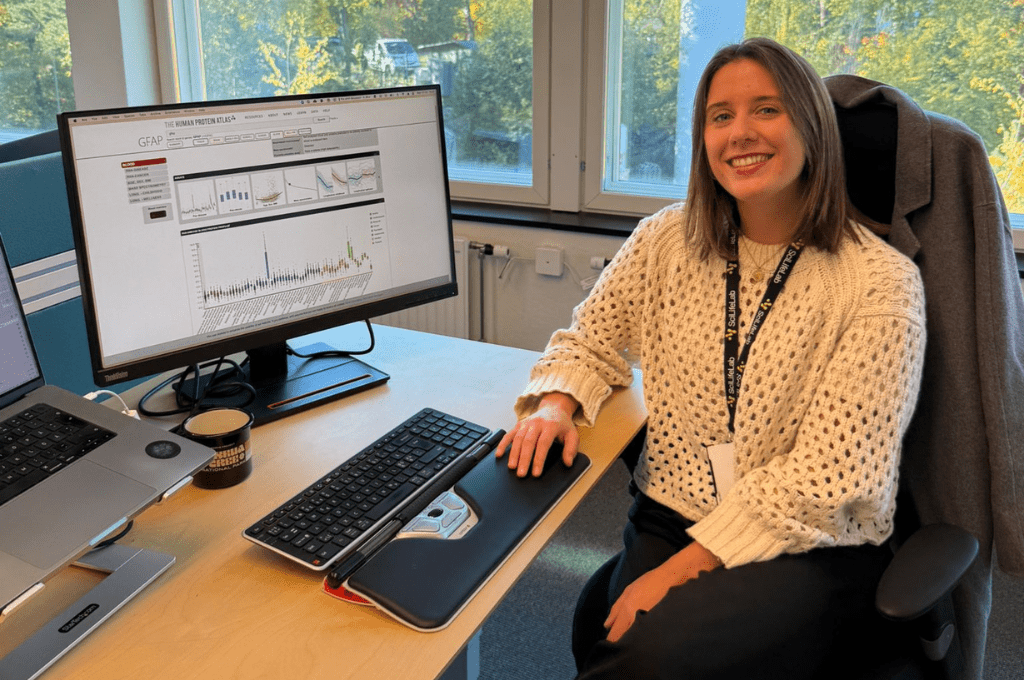
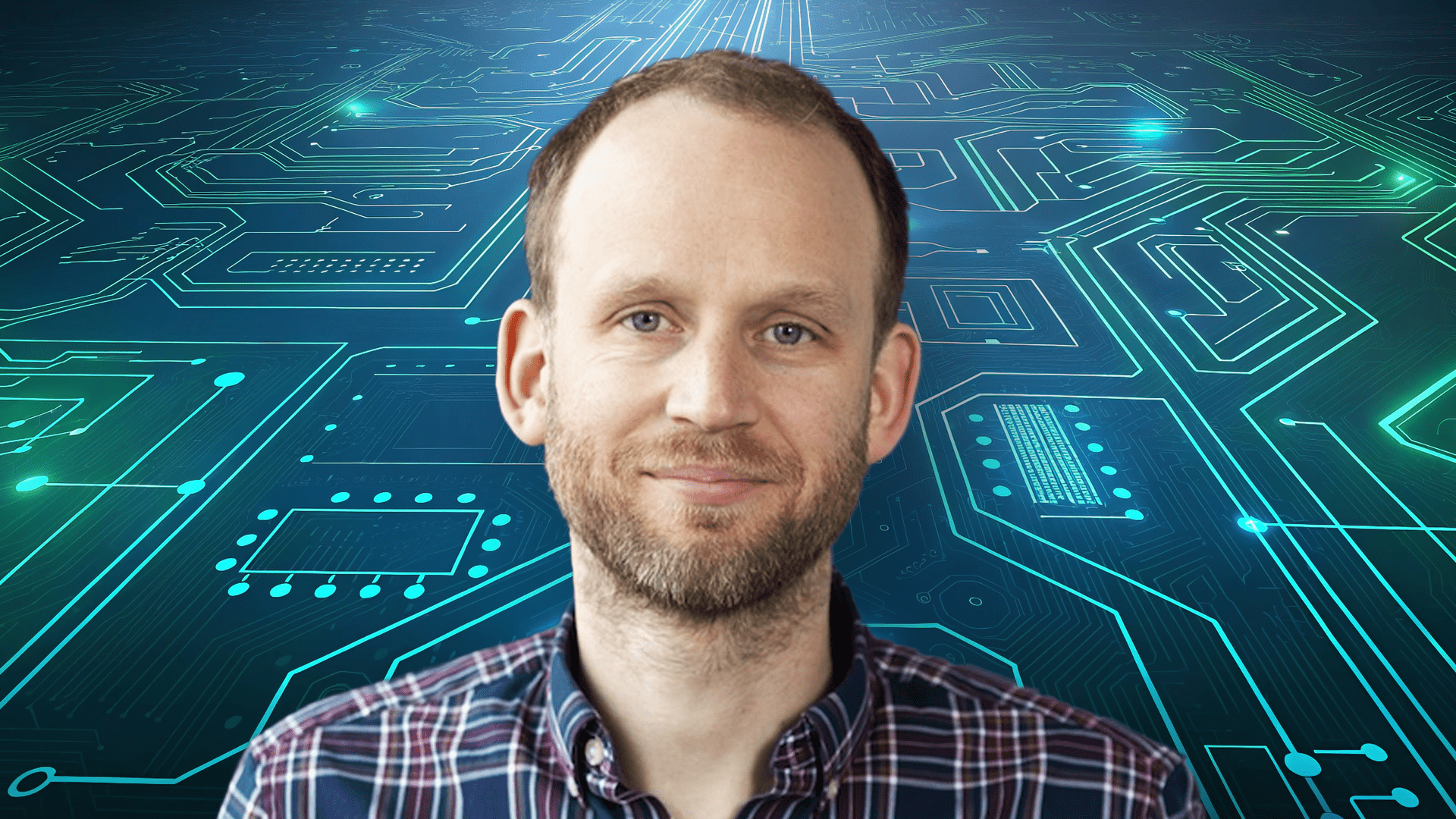
In this edition of the SciLifeLab Voices series, we meet PhD student María Bueno Álvez, who is about to defend her thesis. It felt like a good moment to reflect on her journey in science so far. After highlighting women in science for International Women’s Day yesterday, we also asked María if she has any advice for young women considering a career in research.
Can you tell us a bit about your background and what first sparked your interest in bioinformatics?
I studied Genetics in Barcelona, where I first learned about bioinformatics tools and databases (including the Human Protein Atlas!). At the time, I wasn’t entirely convinced about fully committing to bioinformatics, but I enjoyed the problem-solving that comes with analyzing biological data.
Later, I found what felt like the perfect combination of cutting-edge research methods, medical perspective, and bioinformatics training in the SciLifeLab Master’s program Molecular Techniques in Life Science (MTLS). The program (and the cancelled lab work during COVID) really pushed me to become more independent as a coder. Suddenly I realized that coding is actually a very creative process, with endless possibilities to explore biological questions and discover patterns hidden in data.
How did you first become involved with the Human Protein Atlas and the group at SciLifeLab?
During my time as a student at SciLifeLab I had the chance to join the mentorship program for MTLS students. Through that program I met Max Karlsson, who was a PhD student at the Human Protein Atlas at the time. He introduced me to the project, and I was honestly starstruck from day one.
I later joined the group for a short student project and started digging into transcriptomics and proteomics data. That experience helped me develop my skills as a bioinformatician and eventually becoming part of the core team.
A fun full-circle moment is that today I am the organizer of the same Mentorship Program through the Coaching in Science Initiative, hoping to give back and help other students find their path in science.
Stepping back from the technical details, what bigger scientific question or long-term goal motivates you?
At the core, what motivates me is improving how we monitor human health. I truly believe we can develop more precise and less invasive diagnostic tools. Working with the Human Disease Blood Atlas, a large resource we generated to map protein signatures across many diseases, I see the enormous potential of the molecules that circulate in our blood every day.
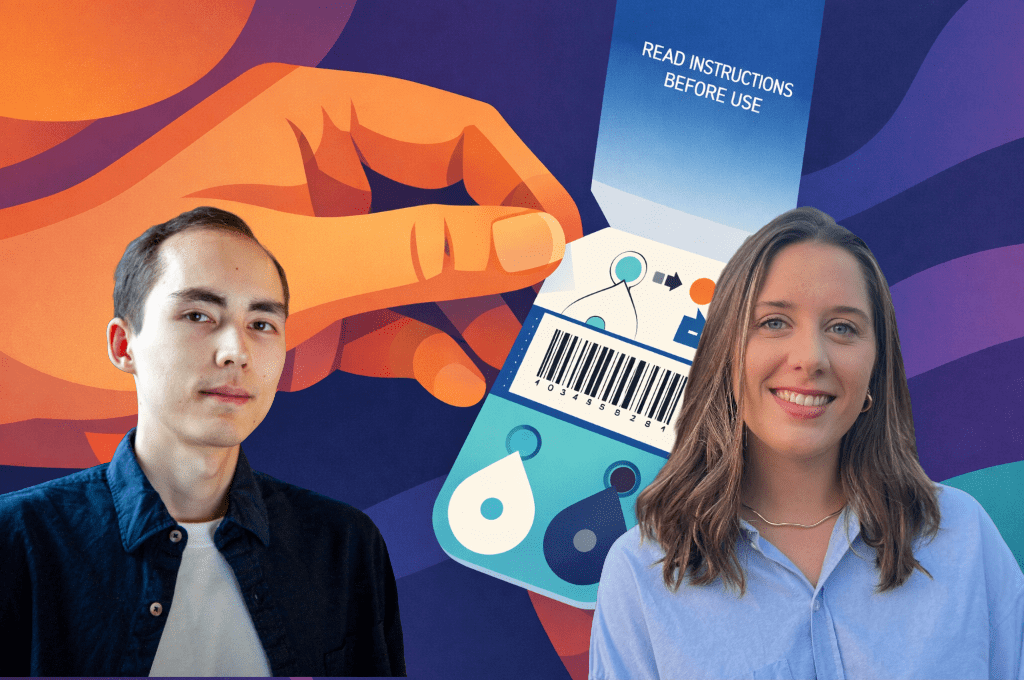
By analyzing these molecular signals (in my case proteins) we can start to identify patterns that relate to different diseases. Combining this with the recent developments in technologies for at-home sampling could allow us to monitor health much more continuously and detect disease earlier, before it progresses too far.
With International Women’s Day just behind us, what has your experience been as a woman in science, and what advice would you give to young women considering a similar path?
I have been fortunate to grow scientifically in a very supportive environment, although I know that has not always been the case for everyone. But a reality is that it can sometimes be harder to find role models.
My advice to young women is to seek out women working in the fields that interest you. Talk to them, learn about their journeys, and see that there is no single path into science.
Seeing real people doing the work can make it much easier to believe that you can do it too.
After spending a day thinking about data and biology, what do you usually do to switch off and have fun?
The best way for me to disconnect is spending time with friends and family.
Lately, I have been on a mission to try as many different types of exercise as possible around Stockholm, mostly just for fun.
And of course, I usually end up dragging friends along with me.
This website uses cookies to improve your experience while you navigate through the website. Out of these cookies, the cookies that are categorized as necessary are stored on your browser as they are essential for the working of basic functionalities of the website. We also use third-party cookies that help us analyze and understand how you use this website. These cookies will be stored in your browser only with your consent. You also have the option to opt-out of these cookies. But opting out of some of these cookies may have an effect on your browsing experience.
Necessary cookies are absolutely essential for the website to function properly. This category only includes cookies that ensures basic functionalities and security features of the website. These cookies do not store any personal information.
Functional cookies help to perform certain functionalities like sharing the content of the website on social media platforms, collect feedbacks, and other third-party features.