Funding secured to turn natural history collections into a national engine for research, innovation and public benefit
A multidisciplinary collaboration, facilitated by the Planetary Biology strategic area at SciLifeLab, secures funding for Vinnova’s Clusters of Excellence.
Linnaeus 2.0 — Unlocking a Genomic and Taxonomic Time Capsule has been awarded funding in Vinnova’s call “Visions for world-leading research and innovation in strategic technology areas.”
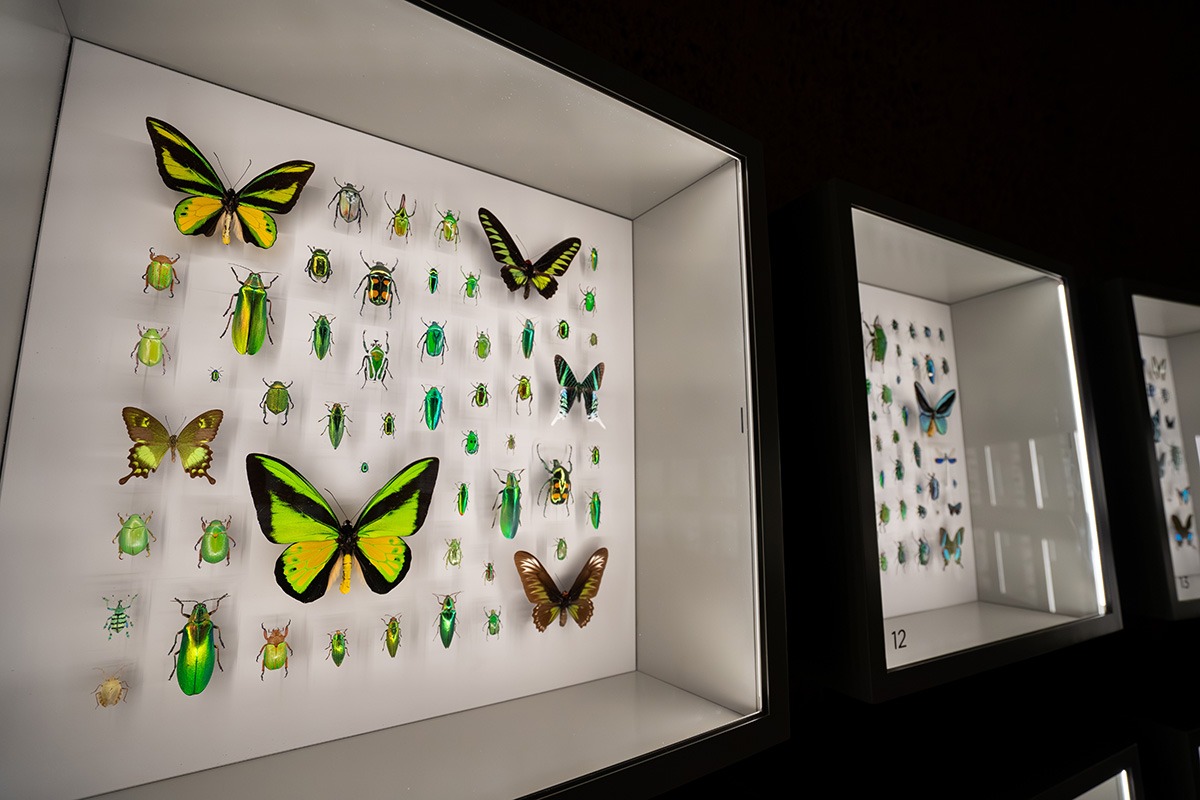
This ambitious project led by a multidisciplinary team of researchers from five organizations aims to turn Sweden’s natural history collections into a national engine for research, innovation, and public benefit. By generating voucher-linked genomes — genomes physically linked to preserved specimens — from type specimens, this project unlocks unprecedented opportunities for biodiversity, taxonomy, and molecular research.
“Our natural history museums and herbaria hold specimens of virtually all known species on Earth, with each name permanently tied to its type specimen. By linking the genomes of the unparalleled Swedish collections to the SciLifeLab/Planetary Biology infrastructure and cutting-edge research, our cluster opens the door to unprecedented scientific innovation,” says Bengt Oxelman, University of Gothenburg Professor, Head of the steering group of Herbarium GB and project Coordinator at Linnaeus 2.0
The team of principal investigators behind Linnaeus 2.0 first came together through the Expression of Interest in Planetary Biology, launched earlier this year to encourage new interdisciplinary collaborations across Sweden. The project is a strong example of how initiatives at the Planetary Biology strategic area can catalyze national partnerships around frontier research questions.
Building bridges with SciLifeLab platforms and initiatives
Principal investigators involved in the project represent five Swedish organizations, ensuring access to major Swedish collections at the Swedish Museum of Natural History, the Museum of Evolution at Uppsala University, the Biological Museum at Lund University, the Gothenburg Natural History Museum and the Herbarium at the University of Gothenburg.
SciLifeLab Fellows and DDLS Fellows integrating the team bring deep expertise in genomics, biodiversity, and data-driven life science. Representatives of the Planetary Biology strategic area are actively involved facilitating alignment between the project’s scientific vision and the broader Planetary Biology strategic plan.
The Planetary Biology strategic area looks forward to working closely with the project team to facilitate connections with SciLifeLab platforms and services, supporting data generation, analysis, and long-term impact. Strengthening these links is central to the strategic area’s mission of enabling research at the intersection of biodiversity, evolution, technology, and society.
Team and Leadership
The goals of the project will be achieved through a leading group with dedicated roles together with the SciLifeLab Planetary Biology strategic area, and the curators of the collection facilities.
Bengt Oxelman – Professor of Angiosperm Molecular Systematics, University of Gothenburg, Head of the steering group of Herbarium GB.
Martin Irestedt – Deputy Head of the Department of Bioinformatics and Genetics and responsible for the DNA laboratory at the Swedish Museum of Natural History.
Niklas Wahlberg – Professor in Biological Systematics and Director of Biological Museum, Department of Biology, Lund University.
Maria Prager – Senior Research Engineer at the Department of Biological and Environmental Sciences/Herbarium GB, University of Gothenburg.
Mafalda Sousa Ferreira – Assistant Professor and SciLifeLab Fellow at Stockholm University.
Gabriela Montejo-Kovacevich – Assistant Professor and SciLifeLab Fellow at Uppsala University.
Peter D. Heintzman – Researcher and Wallenberg Academy Fellow at Stockholm University.
Olga Vinnere Pettersson – Scientific Lead of Planetary Biology Strategic Area at SciLifeLab; Vice-chair of the European Reference Genome Atlas (ERGA)