
Study reveals how cells conserve resources during nutrient scarcity
A new study (in Molecular Cell) from SciLifeLab Fellow alumni Vicent Pelechano reveals how cells adapt to low nutrient conditions by altering the way cells interpret their genetic instructions.
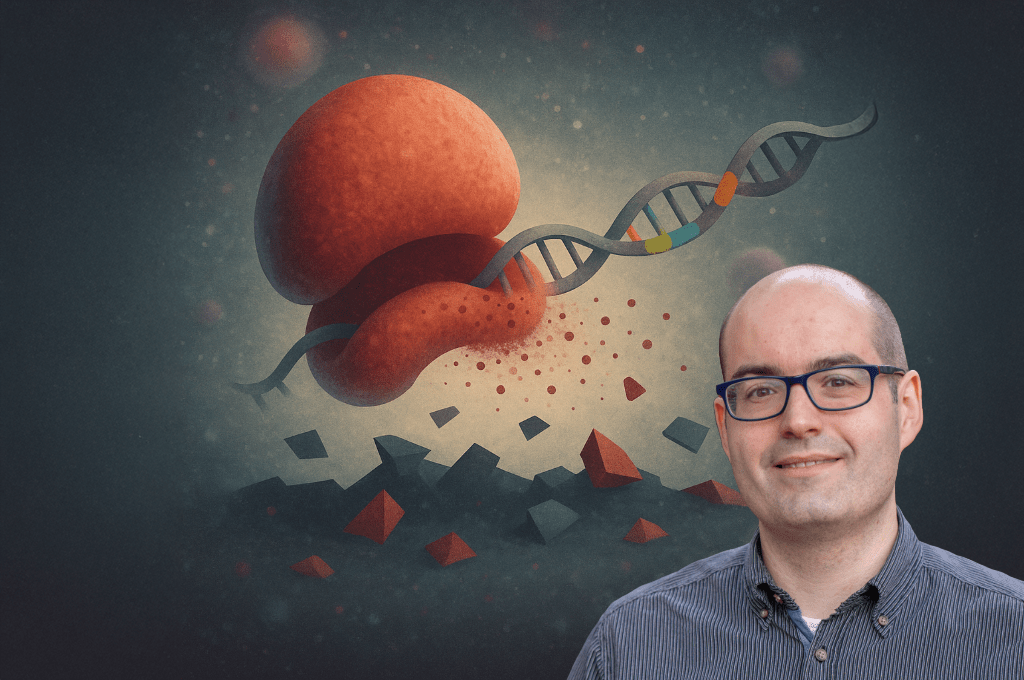
The study reveals that under nutrient scarcity, cells make tiny shifts in the way ribosomes (the cell’s protein factories) read messenger ribonucleic acid (mRNA). Those tiny shift results in the synthesis of aberrant proteins and massive destruction of RNA that is then not available for protein production. This process helps cells conserve resources and survive in tough environments.
New sequencing technology reveals a novel mechanism hidden in plain sight
The study was possible by using a special sequencing method called 5PSeq, previously developed at SciLifeLab. 5PSeq enables researchers to observe the position of ribosomes on RNA when it decays.
“The information was there all along; we just had not been looking in the right place”
“RNA degradation is typically overlooked. However, by studying mRNA molecules undergoing degradation, we discovered that subtle changes in the way that ribosomes read mRNA resulted in massive RNA decay under low nutrient conditions. The information was there all along; we just had not been looking in the right place before.” says Vicent Pelechano.
Understanding how cells respond to nutrient deficiency
The research team found that this adaptive mechanism is conserved across bacteria, yeast, and humans. This reveal will provide new insights into cellular stress responses.
“The team is now working on refining the molecular understanding of this mechanism and exploring its therapeutic implications. For instance, regulating this process may reduce the production of abnormal proteins during aging and prevent bacterial and fungal cells from entering a dormant state that allows them to evade antimicrobial treatments,” explains Karolinska Institutet Professor and SciLifeLab Group leader Vicent Pelechano.