
Four collaborative projects selected in the RDCP call
Four research community projects have been selected in the first round of the Research Data Community Project (RDCP) initiative, part of the SciLifeLab and Wallenberg National Program for Data-Driven Life Science (DDLS). These projects, each led by a research consortium, represent diverse areas of life science united by a common goal: to strengthen collaboration, data integration, and FAIR data sharing across the Swedish research community.
The initiative aims to foster data-driven research communities that bring together research leaders from Swedish universities and the Swedish Museum of Natural History. Each consortium includes researchers from one or more of the four DDLS research areas: Data-Driven Cell and Molecular Biology, Data-Driven Epidemiology and Biology of Infection, Data-Driven Evolution and Biodiversity, and Data-Driven Precision Medicine and Diagnostics.
Each project will receive 1 million SEK and run for two years as a proof-of-concept initiative, after which results, best practices, and data resources will be shared publicly, serving as inspiration for future national collaborative efforts within the DDLS program.
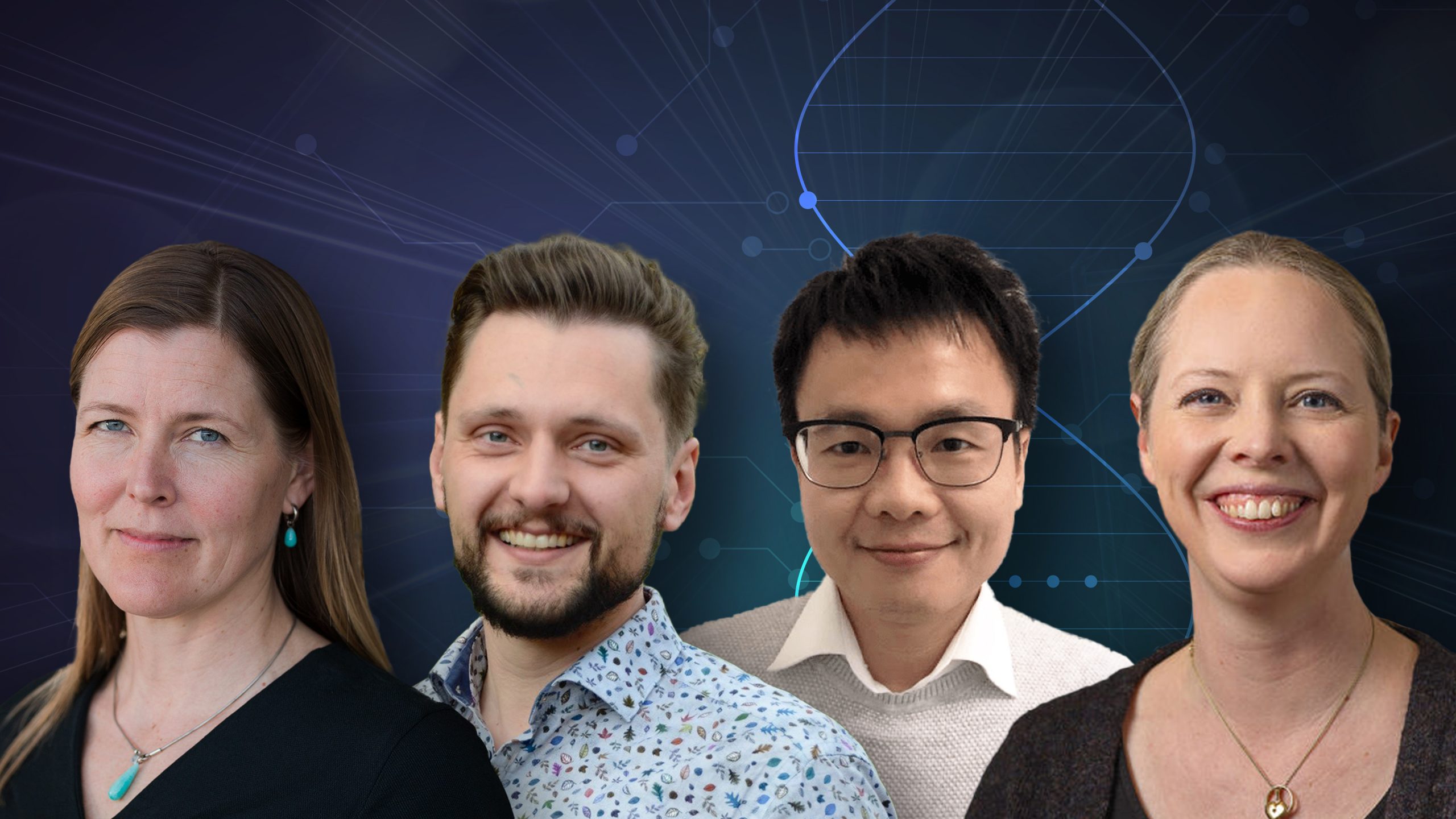
The following consortia were selected in the first RDCP call (2025):
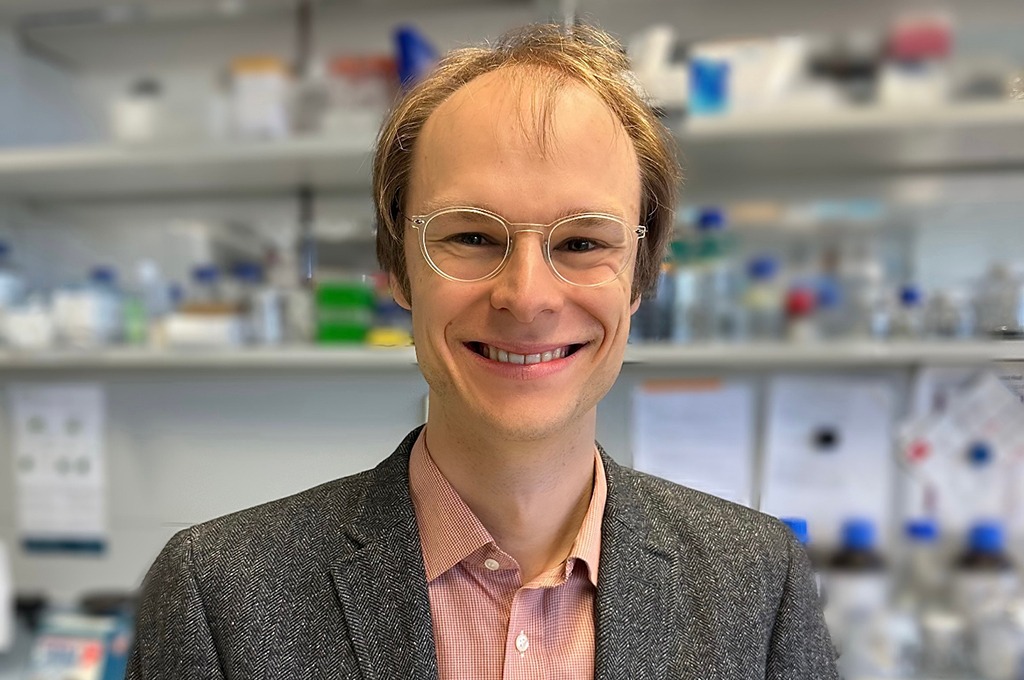
Microscopy Foundation Model & AI-Ready Data Hub for Smart Microscopy – Wei Ouyang, KTH
This project builds an AI-ready microscopy data hub and develops foundation models that will enable smart, autonomous imaging. By aggregating community datasets and harmonizing metadata, it provides the basis for training robust models that can interpret samples in real time and guide on-the-fly microscopy decisions.
“AI is incredibly data-hungry. The only way to build meaningful foundation models for microscopy is through a collective effort. If we, as a SciLifeLab community, pool our data and expertise, we can fundamentally change how bioimaging, and life science as a whole, is done”, Wei comments about the importance of data sharing and collaborations within the SciLifeLab community.
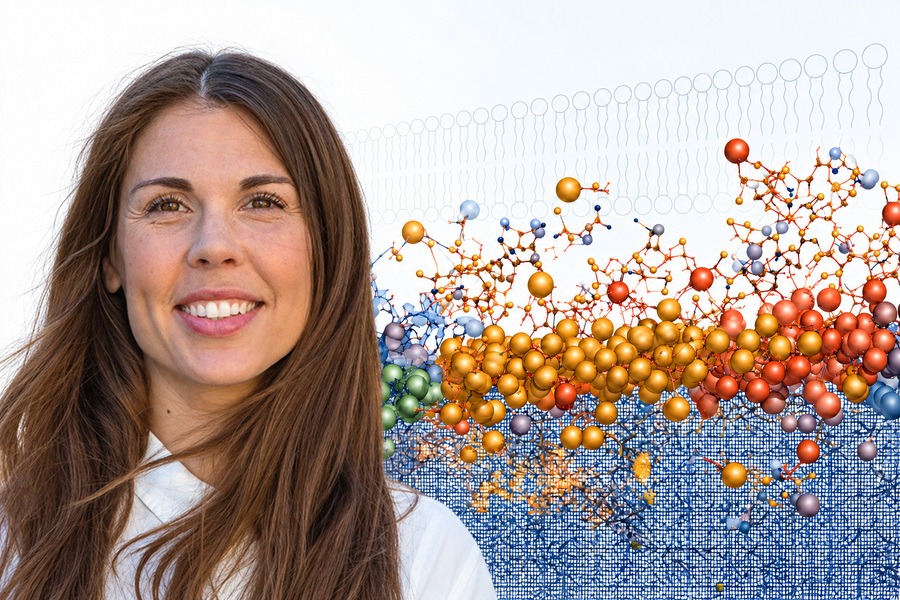
TissUUmaps – Carolina Wählby, Uppsala University
The TissUUmaps project offers a web-based tool for interactive visualization and annotation of all types of spatial omics data, including spatial transcriptomics and mass spectrometry data. It simplifies data sharing and functions as a platform hosting plugins contributed by researchers working with spatial data.
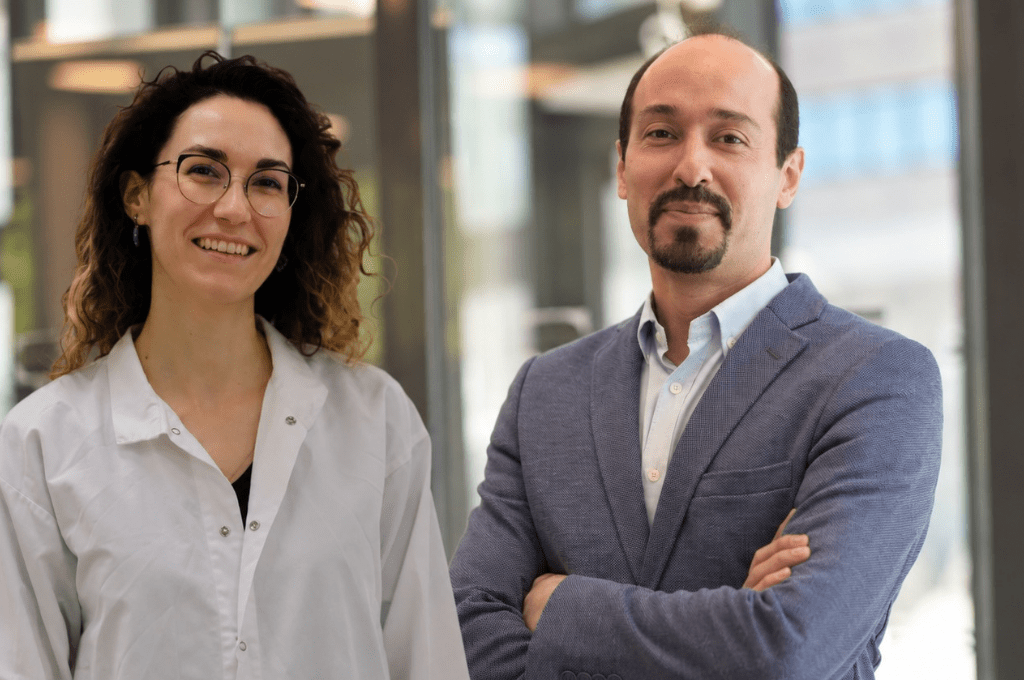
CRITICAL MICROBES – Comprehensive Research on InfecTIons Complications Across the Lifespan – MICROBiology Epidemiology in Sweden – Anne-Marie Fors Connolly, Umeå University
The Critical Microbes project is creating a national database to unify infectious disease data from Sweden’s clinical microbiology labs, linking these data with healthcare and demographic registers to support research and public health efforts. Anne-Marie Fors Connolly highlights the importance of this work, stating:
“Currently we do not know how infectious diseases impact Swedish Public Health. CRITICAL MICROBES aims to be a national research infrastructure where researchers with ethically approved research projects can retrieve collated infection and outcome data. This is made possible by funding from among others the RDCP initiative, for which the consortium is most grateful.”
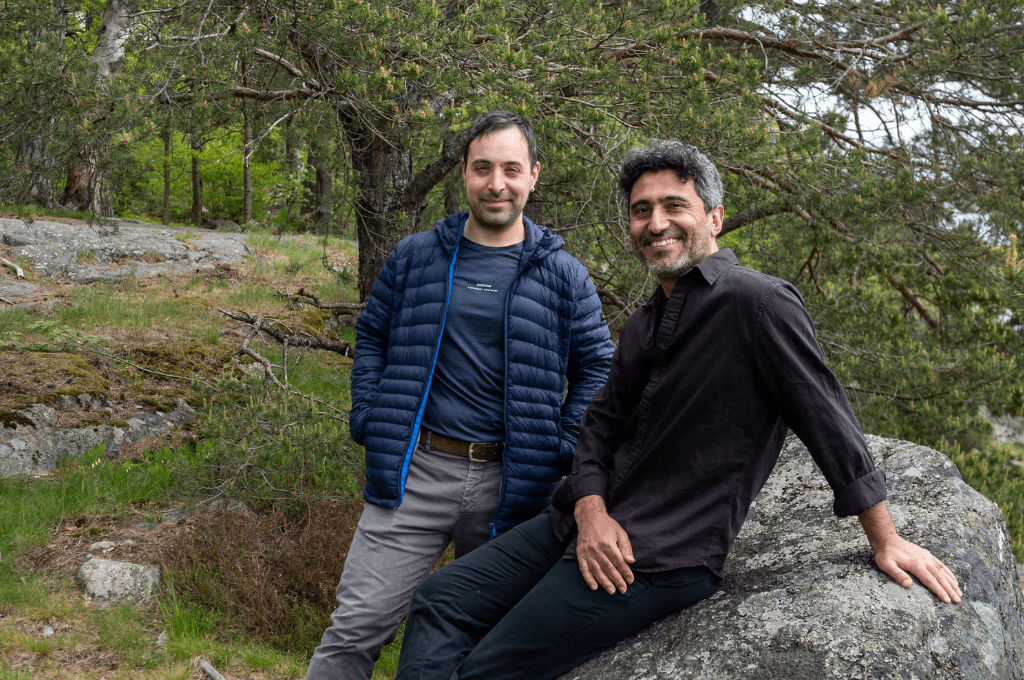
Swedish Metabarcoding Network (SMN) – Tobias Andermann, Uppsala University
The Swedish Metabarcoding Network organizes researchers working with metabarcoding of environmental DNA data. This consortium aims to form a national hub for eDNA data expertise, consolidating experience and best practice with sampling, processing and analysis of these data. There will be an emphasis on making biodiversity inventories from eDNA data more comparable across studies and improving access and interpretability of these data through national and international biodiversity data infrastructures.
Collaborations
All four projects are actively working to expand their consortia and promote data sharing, actively inviting collaboration and encouraging external researchers and stakeholders to engage with their work. During the annual DDLS conference, Tobias Andermann emphasized this collaborative approach, noting:
“We want to provide a hub for eDNA and metabarcoding data expertise, both for researchers who are new to this method and for stakeholders outside of academia.”
The other projects similarly encourage contributions and connections as part of their ongoing efforts to build strong research communities. Carolina Wählby highlights the accessibility and community-driven nature of their platform, concluding:
“Thanks to support from the SciLifeLab Data Center, it takes less than an hour to make your spatial data available via TissUUmaps. A bit more work is needed before we can host plugins, but we are happy to see new ideas coming in.”
If you are interested in collaborating with any of these consortia, please reach out to the responsible researchers.