
From Stockholm to Baltimore: multimorbidity biomarkers confirmed in the NIH-led Baltimore Longitudinal Study of Aging
A single chronic diagnosis is rarely the end of the story for older adults. Hypertension may be followed by diabetes, then kidney strain, then cardiovascular complications — or a very different mix involving anemia, sensory impairment, depression, or neurodegeneration. This reality, known as multimorbidity, is now the norm in aging societies, and it is one of the toughest challenges for health systems: care pathways are typically designed around one disease at a time, while patients increasingly live with several. A new study published in Nature Medicine takes a step toward changing that.
The researchers show that a small set of common blood biomarkers can help predict who is likely to develop multimorbidity, which combinations of chronic diseases tend to appear, and how quickly new diagnoses accumulate over time. Crucially, the main signals identified in a Swedish population cohort also held up in an independent U.S. cohort from the National Institute on Aging (NIA), a cross-Atlantic validation that strengthens the case for clinical relevance.
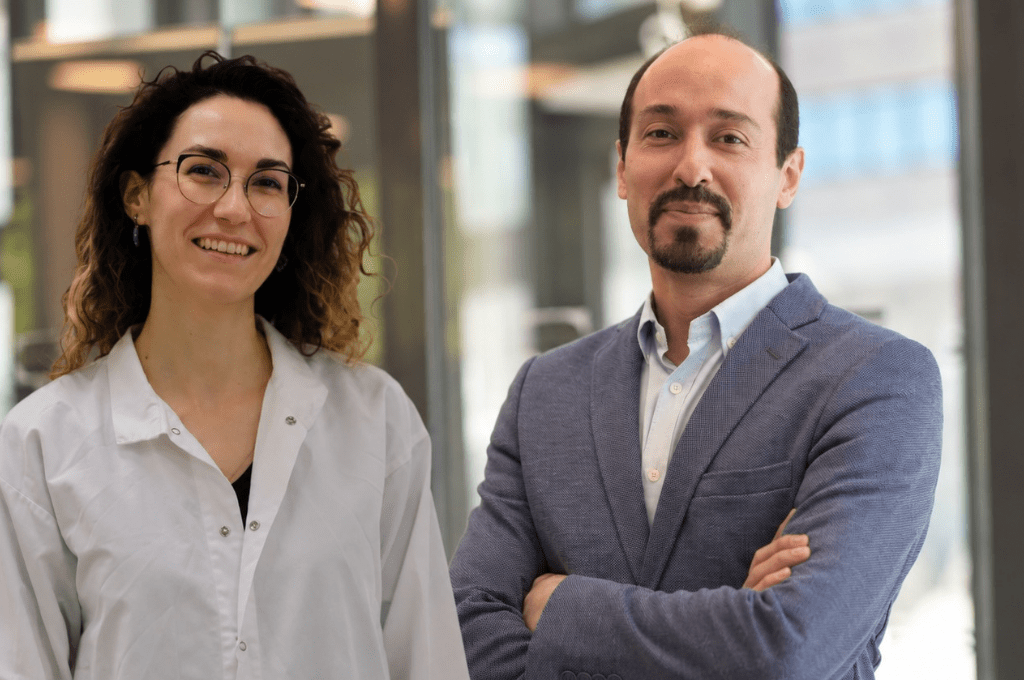
“We found that certain blood biomarkers, especially those connected with metabolism, were strongly linked to both specific disease combinations and how quickly new diseases developed,” says the study’s first author Alice Margherita Ornago, a doctoral student at the Aging Research Center at Karolinska Institutet’s Department of Neurobiology, Care Sciences and Society.
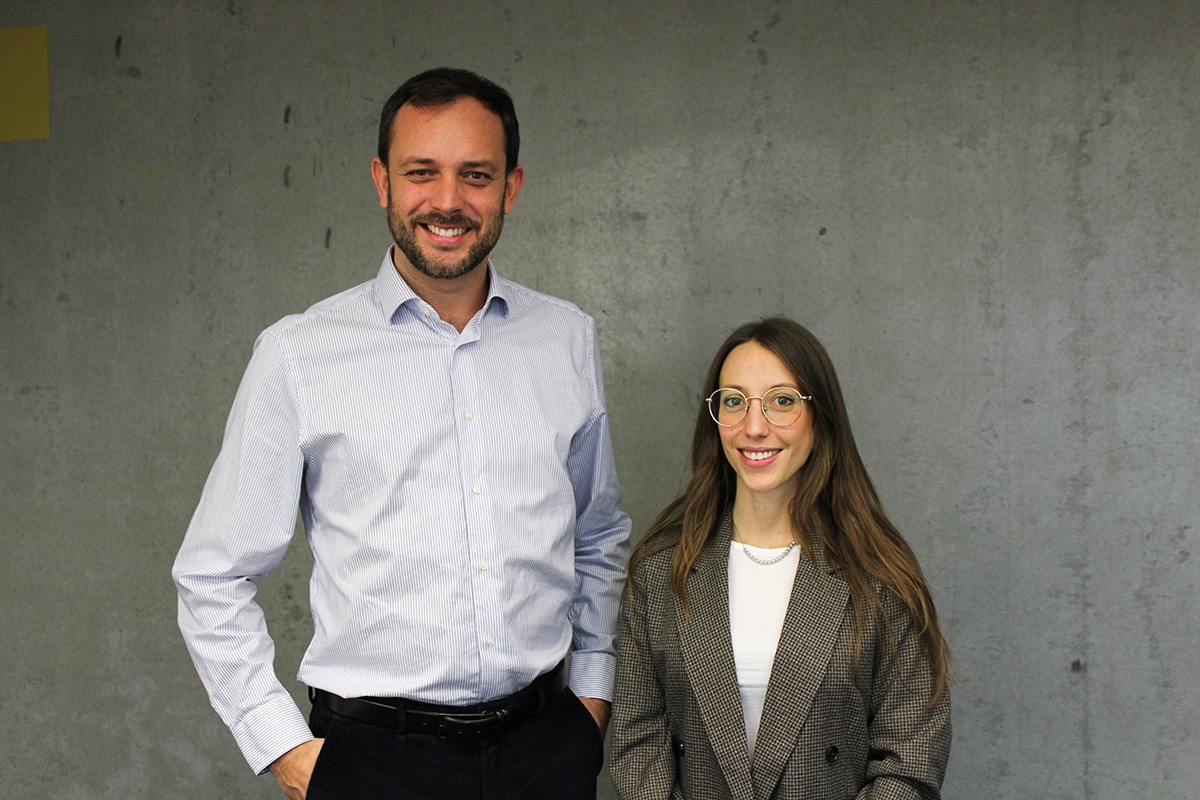
The work was led by researchers at Karolinska Institutet’s Aging Research Center and built on the Swedish National Study on Aging and Care in Kungsholmen (SNAC-K), a deeply phenotyped, population-based cohort in Stockholm.
Part of what makes multimorbidity difficult is that it isn’t a single disease process. It is the outcome of multiple biological systems drifting off course, sometimes together, sometimes in different sequences in different people.
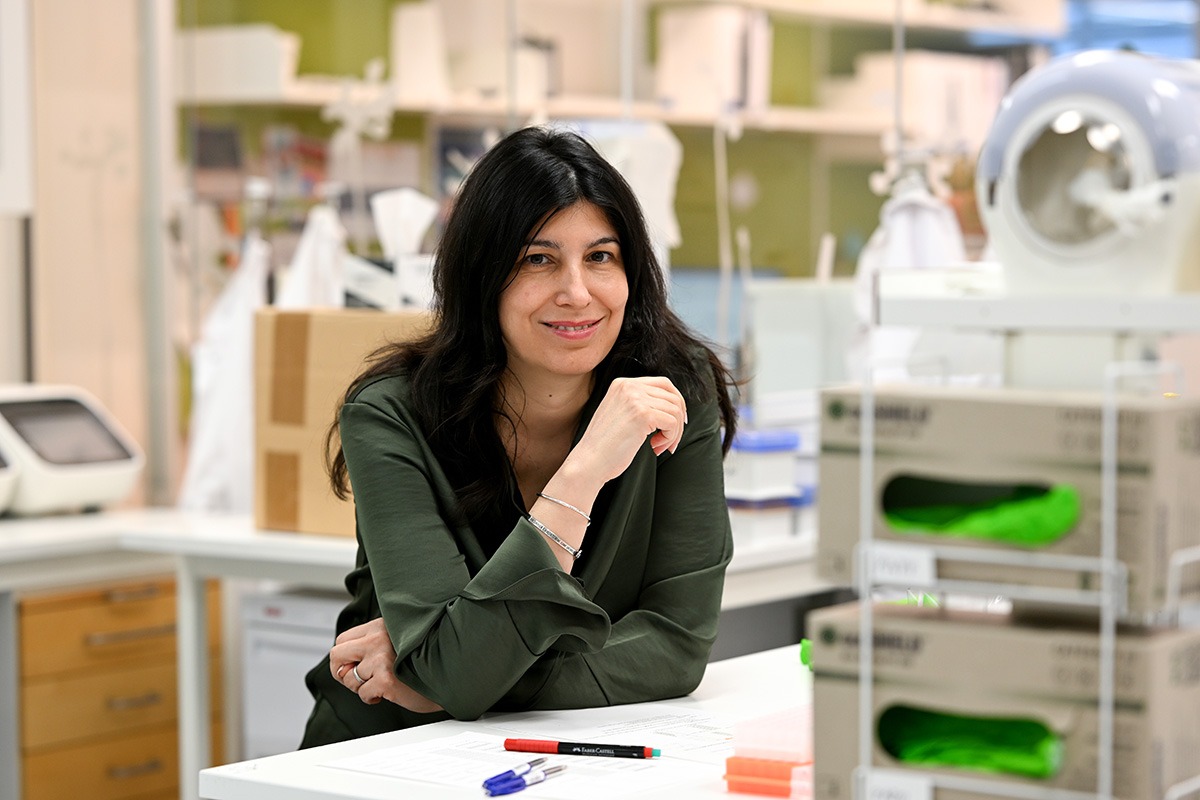
“Multimorbidity is hard to predict because it doesn’t follow a single pathway. People develop different combinations of diseases driven by overlapping biology,” says Dr. Claudia Fredolini, docent at KTH and head of the Affinity Proteomics unit at SciLifeLab in Solna. “Blood helps because it captures a systemic snapshot of what’s happening across the body, often before multiple conditions are diagnosed.”
That systemic view matters. While a single clinical marker might flag risk for one condition, blood biomarker panels can reflect broader processes, such as metabolic regulation, inflammatory signaling, vascular health, organ stress, and neurodegeneration, that cut across diagnostic categories.
From 54 biomarkers to a smaller predictive core
In SNAC-K, the researchers analyzed 54 blood biomarkers measured at baseline in 2,247 participants aged 60 and older, and tracked their health trajectories for up to 15 years. The team looked at multimorbidity in three complementary ways: the total number of chronic diseases, common disease patterns, and the rate of disease accumulation over time.
Using statistical approaches designed to handle many correlated biomarkers, the study identified a small group that repeatedly surfaced across all three definitions of multimorbidity. Five markers, including GDF-15, HbA1c, cystatin C, leptin, and insulin, were consistently associated with higher multimorbidity burden and risk. Two additional markers, gamma-glutamyl transferase (GGT) and albumin, were linked specifically to the speed at which new chronic diseases accumulated.
“Our study suggests that disturbances in metabolism, stress responses, and energy regulation are among the main drivers of multimorbidity in older people,” says the principal investigator Davide Liborio Vetrano, associate professor in the samedepartment at KI. “This opens up the possibility of using simple blood tests to identify high-risk individuals, enabling earlier intervention in the future.”

The Affinity Proteomics unit at SciLifeLab in Solna performed a major portion of the serum protein biomarker measurements for the Swedish cohort, using high-throughput multiplex immunoassays and ultra-sensitive detection technologies.
“Our main contribution was data quality. Making sure biomarker measurements were stable and comparable across thousands of samples and many analytical runs,” Fredolini says. “We monitored precision and reproducibility using calibrators and pooled controls, so the signals reflect biology rather than batch effects.”
The study combined two widely used, but very different, platform types, chosen to match different biomarker classes and concentration ranges. “We combined two complementary technologies,” Fredolini explains. “Quanterix Simoa is extremely sensitive for low-abundance proteins, while Luminex enables higher-throughput multiplex panels, so you can measure many markers efficiently. The trade-off is balancing sensitivity, throughput, cost, and robustness, especially in large older cohorts.”
Biomarker findings often stumble at the next step: they don’t replicate outside the original cohort. That is why the study’s collaboration with the National Institute on Aging in the U.S. is more than a footnote.
The team validated the key findings in 522 participants from the Baltimore Longitudinal Study of Aging (BLSA) at the U.S. National Institute on Aging, directed by Dr. Luigi Ferrucci. The cross-cohort consistency suggests the biomarker signature is not specific to one healthcare system, one city, or one population, a prerequisite if this work is to inform risk stratification in clinics and hospitals.
If blood-based risk stratification for multimorbidity becomes feasible, the potential implications go beyond individual prevention. Health systems could identify groups likely to need more intensive monitoring, earlier lifestyle or pharmacological interventions, and better integrated care.
The work establishes a promising predictive framework and strengthens the biological case for metabolic and stress-response pathways as central in multimorbidity. But translation will require prospective validation, clinically meaningful cutoffs, and careful evaluation of what interventions should follow a “high-risk” result.
For Fredolini, the most exciting aspect is to move beyond a single-disease biomarkers perspective toward a broader clinical and biological context that take into account multimorbidity and information on systemic health, functional status, and frailty.
“The next step is longitudinal sampling, watching how these biomarkers change over time in the same individuals,” she says. “By focusing on the shared biology of aging, rather than individual diseases, this study reveals how a small number of targeted interventions can produce outsized benefits across the aging spectrum”, says Ferrucci.