

A real game changer in cancer management: using advanced technology to detect relapse of acute myeloid leukemia
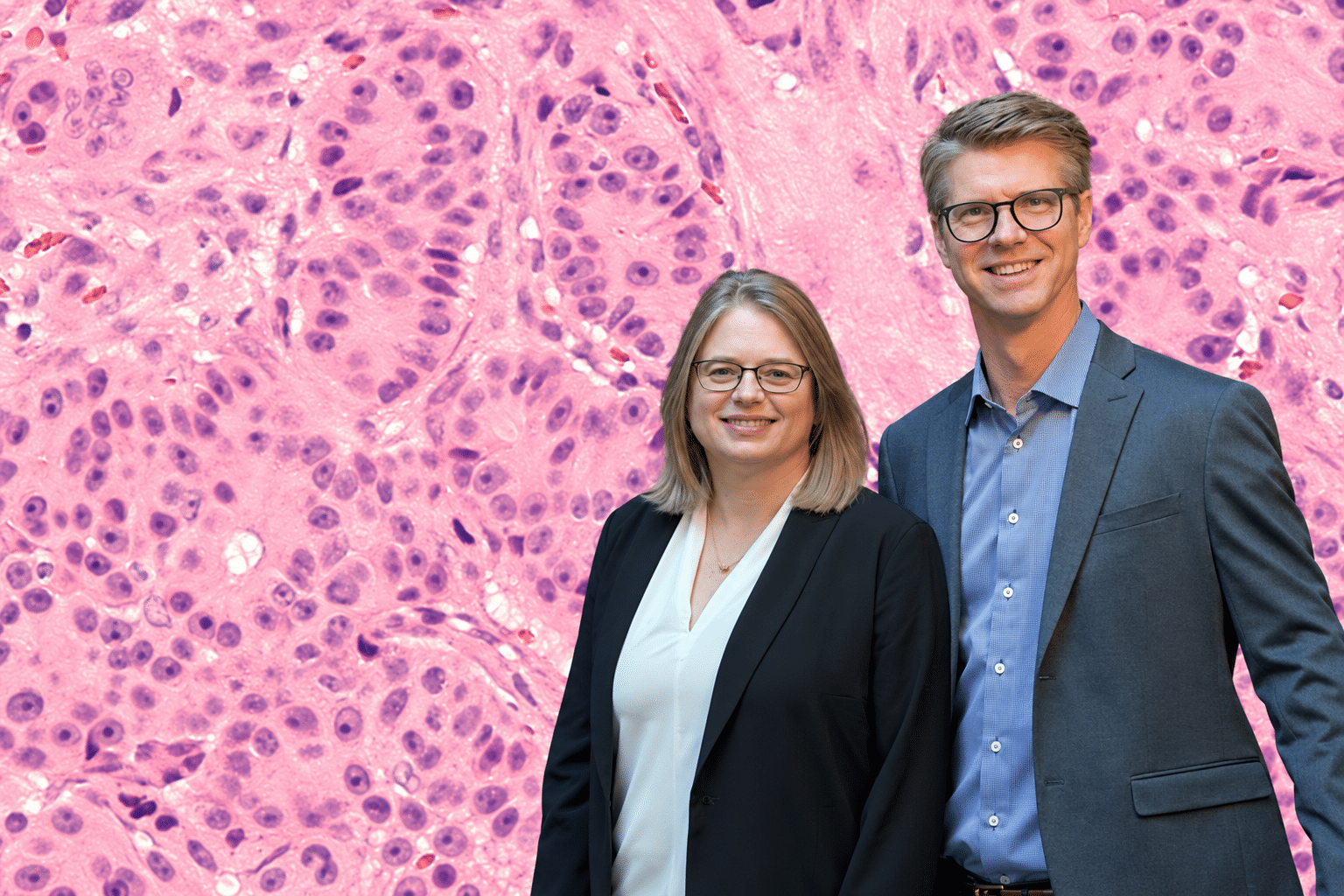
Acute myeloid leukemia (AML) is a fast-growing cancer of the blood and bone marrow with approximately 350 new cases diagnosed every year in Sweden. Detecting relapse for patients with acute myeloid leukemia can be very challenging. A new project uses a method that makes it possible to detect cancer relapse at an earlier stage in the course of the disease. The project is led by Ulf Landegren, professor at Uppsala University and Malin Melin, head of unit at Clinical Genomics Uppsala.
It is important to monitor patients treated for leukemia for early detection of signs of relapse, providing more time to adjust the treatment and increasing chances of survival.
The project builds on the superRCA method, which is being further developed by Rarity Bioscience. The technique can reveal a genetic mutation from a single malignant cell among 100 000 healthy cells.
“My lab at Uppsala University has developed superRCA, which makes it possible to detect even extremely low levels of tumor-specific mutations in blood samples in just a few hours, and using instruments already available in most labs,” says Ulf Landegren.
“The superRCA technology shows great promise, and we are looking forward to working together on this translational project, initially on acute leukemia, but hopefully also for other cancer types in the future” says Malin Melin.
The long-term vision is to make cancer monitoring more sensitive, personalized, rapid and accessible, while reducing the need for invasive procedures such as repeated bone marrow biopsies.
“Monitoring patients for recurrent disease can be a real game changer in cancer management, but this requires very sensitive, rapid and cost-efficient methods,” says Malin Melin.
The project will also explore whether the technology could eventually be used to monitor other blood cancers, such as acute lymphoblastic leukemia and lymphoma. If successful, the project could provide healthcare with a new way of monitoring cancer that is highly sensitive, personalized, relatively simple, and based on blood samples.