
New DDLS Fellow: Yitian Zhou
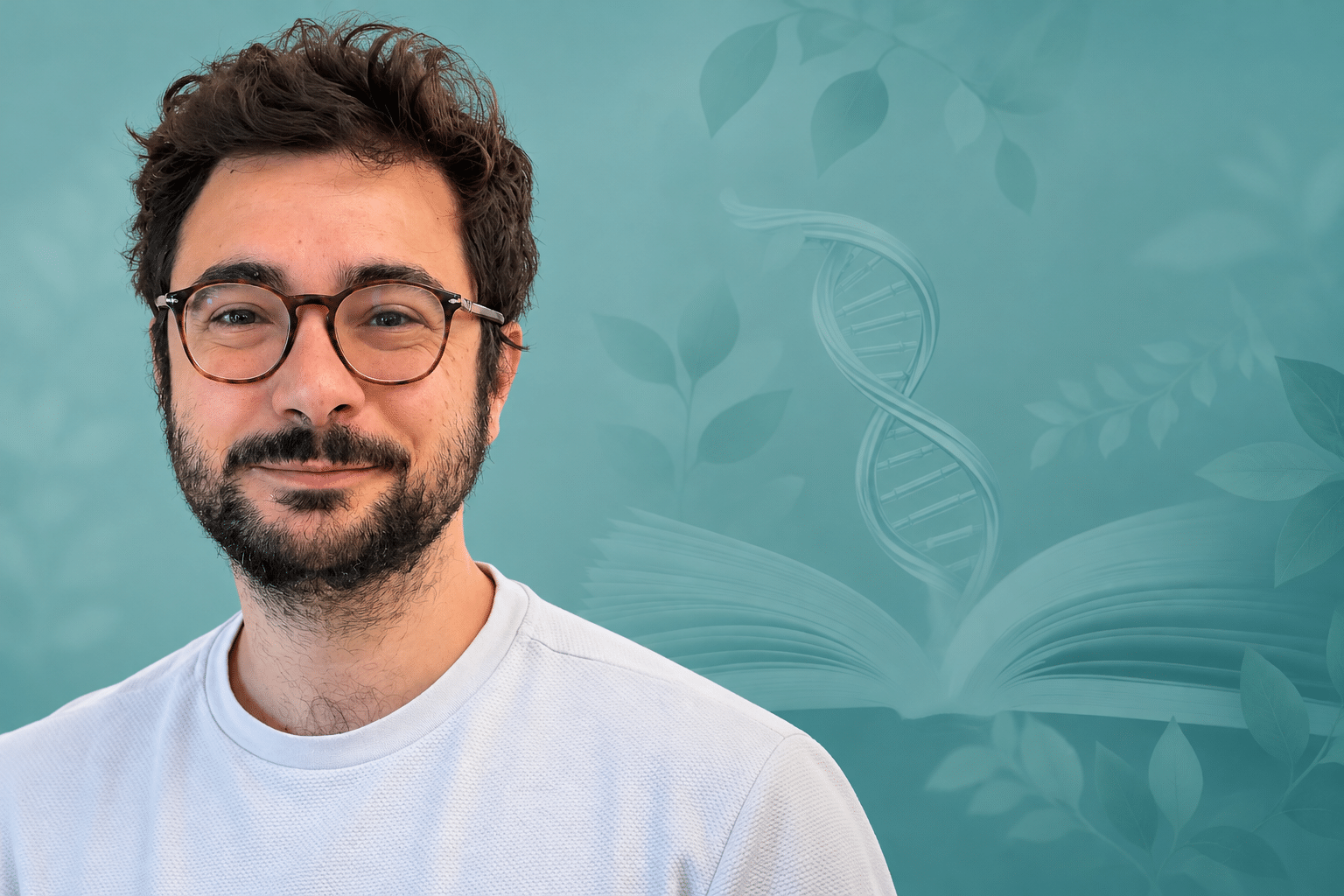
The recruitment of outstanding young researchers to the SciLifeLab & Wallenberg National Program for Data-Driven Life Science (DDLS) continues with the appointment of Yitian Zhou as a new DDLS Fellow at Linköping University. Joining the Precision Medicine and Diagnostics research area, his research focuses on understanding how genetic differences influence individual responses to medicines, combining large-scale genomic and clinical data to improve drug safety and effectiveness and advance personalized treatment.
Yitian studied pharmacology at China Pharmaceutical University before moving to Sweden, where he completed the Global Master’s Program in Toxicology and earned his PhD in pharmacogenomics at Karolinska Institutet. Yitian has published more than 60 peer-reviewed articles in the field, including over 20 as first author, which have collectively received more than 4,000 citations. In 2025, he was honoured to receive the Basic & Clinical Pharmacology & Toxicology (BCPT) Young Researcher Nordic Prize for his contributions to understanding how genetic variation influences drug response.
How do you think your expertise can contribute to the program?
I bring more than ten years of experience in pharmacogenomics, studying how genetic differences influence our responses to medicines. My expertise connects the biological mechanisms of drug response with clinical questions about treatment safety and effectiveness. Within DDLS, I hope to contribute this perspective to collaborative research that combines large-scale data analysis with experimental and clinical insights to advance precision medicine.
Briefly describe your research in an easy-to-understand way.
Why does the same medicine work well for one person but cause side effects or provide little benefit for another? Part of the answer lies in our genes. Genetic differences can affect how our bodies process medicines and respond to treatment. My research aims to understand these differences and use that knowledge to make drug treatment safer and more effective. By combining large-scale genetic data with information about health and treatment outcomes, I investigate which genetic changes matter and how they influence drug response. The long-term goal is to help clinicians choose the right medicine and dose for each patient.
How do you think the program and interactions with other DDLS Fellows will benefit you?
DDLS will provide an interdisciplinary environment in which I can develop new ideas and strengthen the computational side of my research. Interacting with fellows working across different areas of data-driven life science will help me approach pharmacogenomic questions from fresh perspectives. I particularly look forward to exchanging methods and building collaborations that connect genetic discoveries with biological understanding and clinical applications.
Name one thing that people generally do not know about you.
I used to be a professional volleyball player. Sport is an important part of my life, although these days I spend more of my spare time playing basketball.
Where do you see yourself in five years regarding the DDLS aspect?
In five years, I hope to have established a distinctive line of research that places data-driven approaches at the center of pharmacogenomics. By integrating large-scale genomic and clinical data with advanced computational methods, I aim to identify and validate genetic factors that influence drug response. Through strong collaborations within the DDLS community, my goal is to translate these discoveries into more personalized prescribing and better treatment outcomes.
In one word, describe how you feel about becoming a DDLS Fellow.
Excited!