
Latest DDD-exit: TROP-2-targeting antibody for cancer imaging and treatment
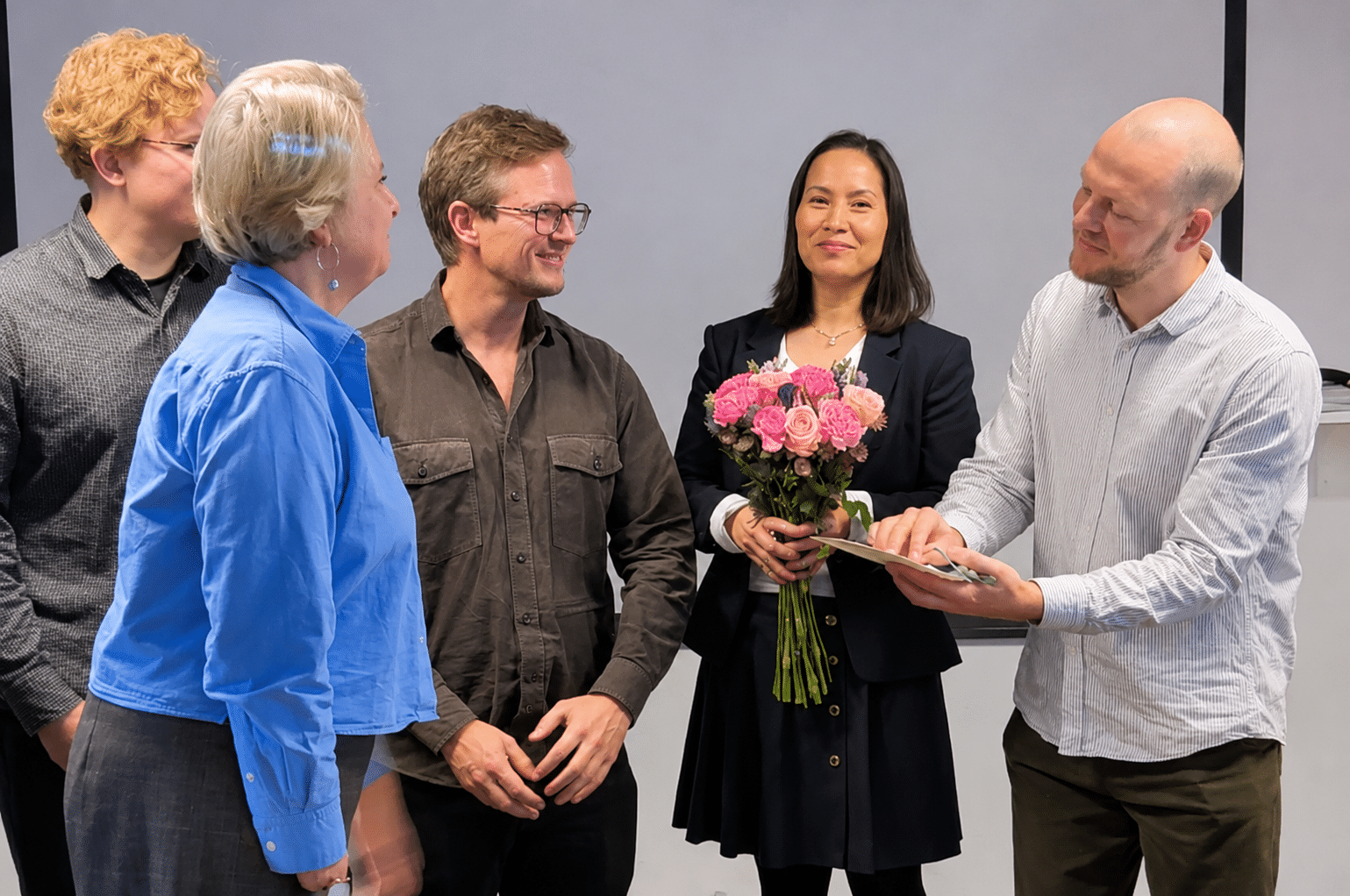
A research team led by Associate Professor Thuy Tran at Karolinska Institutet (KI) has developed a TROP-2-targeting radiotheranostic that uses the same antibody for both PET imaging and targeted radioconjugate therapy. After years of close collaboration with the SciLifeLab Drug Discovery and Development platform (DDD), the project now exits the DDD program and continues its development toward the clinic through the newly founded company Theratrop AB.
For many patients with advanced solid tumors, treatment options remain limited, and therapies are sometimes given without knowing in advance whether they will reach the cancer. Theranostics offers an alternative approach. By pairing a diagnostic and a therapeutic radionuclide with the same targeting antibody, clinicians can first see where the drug goes in each individual patient, and then treat those patients whose tumors show clear uptake on the scan. This is a form of precision medicine that could help identify patients most likely to benefit from a treatment.
The team chose TROP-2, a protein highly expressed across several cancer types and already clinically validated through antibody-drug conjugates (ADCs). Their ambition was to develop an approach that could improve on existing treatment options. In preclinical studies, the radiotheranostic showed high and specific tumor uptake in several tumor models and strong therapeutic efficacy, outperforming clinically established TROP-2-targeting ADCs. The diagnostic candidate has also been evaluated in non-human primates, an important step toward clinical development.
“Patients with difficult-to-treat cancers deserve more than another option. They deserve a better one. With theranostics we can see the tumor before we treat it and offer therapy to the patients most likely to benefit,” says Thuy Tran, Associate Professor and group leader at Karolinska Institutet.

Behind the progress lies a close collaboration with SciLifeLab DDD. Together, the teams discovered and optimized a proprietary TROP-2 antibody that binds a unique epitope, and built a site-specific conjugation and radiolabeling platform that allows the same antibody to be used for either imaging or therapy.
“In addition to a new antibody, we have developed a proprietary site-specific radiolabeling platform that is not limited to our novel antibody. In principle, it can be applied to virtually any antibody, which opens the way for radiotheranostics against many other cancer targets,” says Klas Bratteby, one of the researchers on the team.
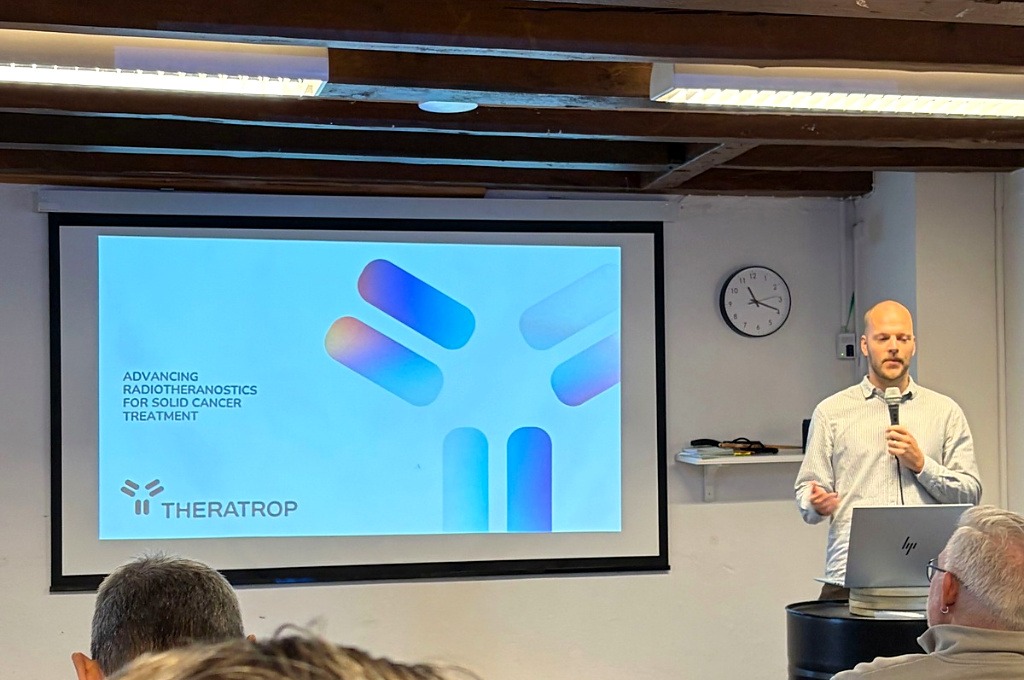
DDD also helped establish connections with funding opportunities and partners, including the BRIDGE Sweden program, which supports further development toward clinical production.
“I am amazed at how quickly the project evolved from basic research to a drug discovery mindset. It was a true collaboration between the team and DDD, and we were lucky that the initial clone met our criteria right from the start,” says Magdalena Godzwon, project leader at SciLifeLab DDD.
Read more and visit the SciLifeLab Drug Discovery and Development platform (DDD) website
Read more and visit the Theratrop website
Q&A with Thuy Tran
Can you tell us about the research project, what initially motivated the work and what you set out to achieve?
We wanted to change how patients with advanced solid tumors are treated. Rather than giving a therapy without knowing whether it will reach the cancer, the theranostic concept allows us to first visualize the tumor and then treat it. By using the same monoclonal antibody for both PET imaging and targeted radionuclide therapy, we can identify the patients most likely to benefit before treatment even starts. The ambition was to create a new generation of targeted radiopharmaceuticals for this purpose.
We chose TROP-2 because it is highly expressed across several cancer types and already clinically validated through antibody-drug conjugates (ADCs), which gave us a strong biological rationale and a clinical benchmark for comparison. Our goal was a TROP-2 radiotheranostic with high tumor specificity and strong therapeutic efficacy.
What have been the most important results or developments during the project, and what would you consider its main achievements so far?
In preclinical studies, our radiotheranostic showed high and specific tumor uptake in several tumor models and strong therapeutic efficacy, outperforming clinically established TROP-2-targeting ADCs. If these findings translate to the clinic, the approach could provide both a tool to select patients for treatment and a therapy with improved efficacy compared with current options.
We have also built a site-specific conjugation platform for reproducible radiolabeling, successfully evaluated our lead candidate in non-human primates, protected our intellectual property and founded Theratrop AB within KI Innovation’s incubator program.
How has the collaboration with the DDD platform contributed to the project? Could you give some specific examples of the expertise, methods or resources that were particularly important?
DDD has been instrumental in taking us from an early concept to a promising drug candidate. Their expertise in antibody discovery and development allowed us to identify and optimize our own antibodies with high specificity and affinity for TROP-2.
Together, we also built the site-specific conjugation and radiolabeling platform that is now at the heart of our radiotheranostic candidates. More recently, DDD and other SciLifeLab platforms supported epitope mapping of our antibodies, which gave us valuable insight into how they bind and strengthened our intellectual property strategy.
Having access to DDD’s specialized expertise and technologies has accelerated the project and made the step toward clinical development possible.
Looking back at your time in the DDD program, what have been the most important aspects of the collaboration, and were there any particular challenges along the way?
Above all, the long-term commitment of the DDD team and a genuine sense of a shared goal. Their scientists did not just provide technical expertise; they contributed ideas and helped shape the project.
New technologies always bring uncertainty. At one point, we had to repeat the antibody panning with modified selection criteria to find candidates that truly met our needs. Being able to discuss setbacks openly and solve them together was one of the greatest strengths of the program.
Is there anything that you can now do, or have achieved, that would not have been possible without the collaboration with DDD?
Absolutely. This collaboration has allowed us to move from an initial research concept to a well-characterized drug candidate with a clear path toward clinical development. Reaching this stage would have been significantly more challenging, if not impossible, without DDD’s involvement.
Beyond the science, DDD has opened several doors to new collaborations and to the next steps of development, such as cell line development and pre-GMP antibody scale-up within BRIDGE Sweden.
We greatly value that Sweden invests in a platform like SciLifeLab DDD. It gives academic discoveries a real opportunity to become new medicines, and it makes us proud to do our research here. Having a dedicated team at our side that works like a pharmaceutical drug discovery unit, with industry-standard laboratories and expertise normally found only in industry, is something few academic researchers worldwide have access to.
Now that the project is exiting the DDD program, what are the next steps? What do you hope to achieve in the coming years?We are now preparing for GMP production and regulatory toxicology studies. Our next milestones are to secure investment and to start our first-in-human clinical trial.
Our vision is that patients are first imaged, so we know before treatment whether the drug will reach the tumor. Those likely to benefit then receive a targeted therapy that could work better than what they are offered today, and those who will not are spared an ineffective treatment. In the longer term, we hope to bring the same principle to more targets and more cancer types, so that precision medicine reaches the patients who need it most.