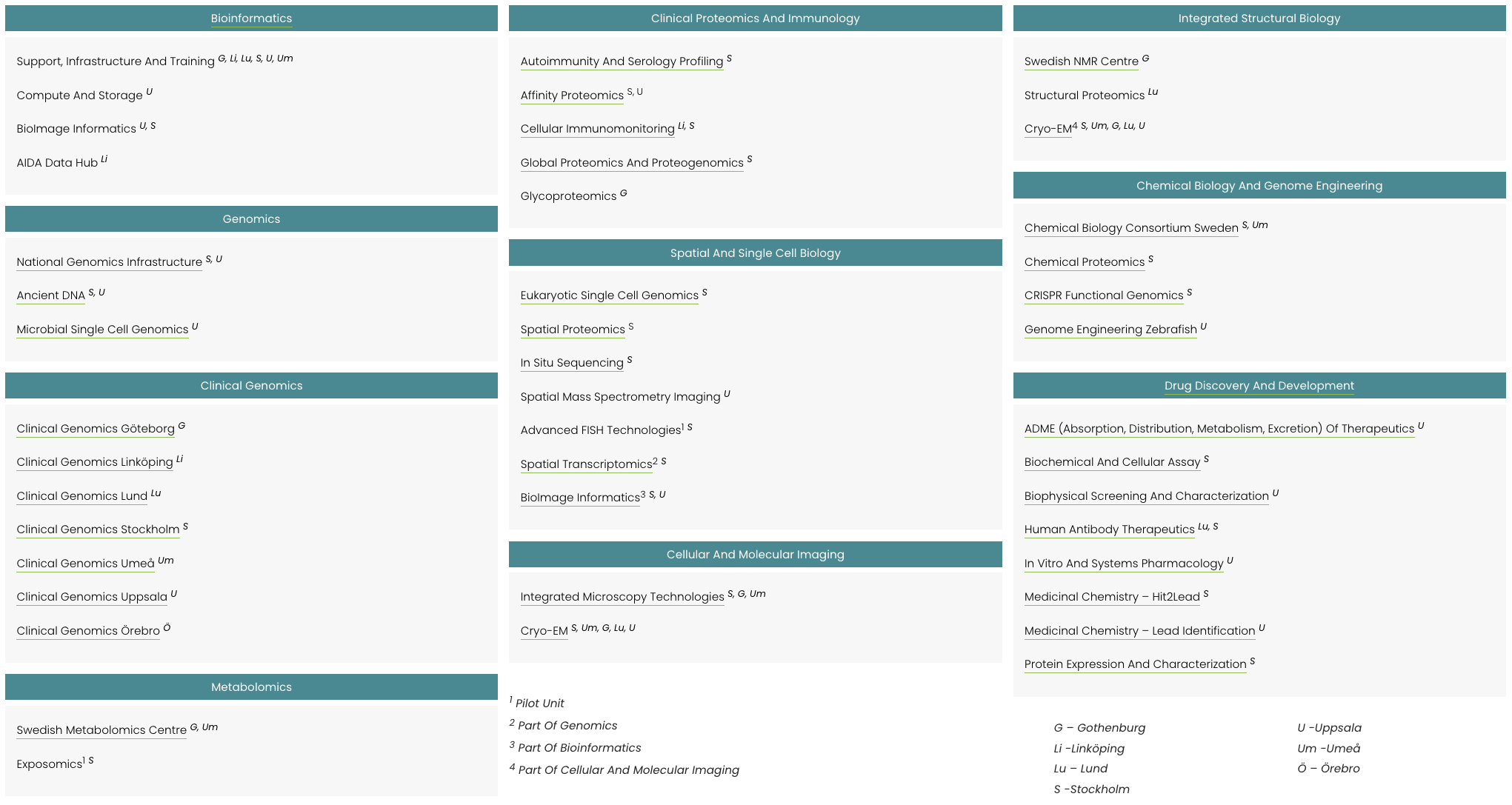
Services provided by our national research infrastructure
At SciLifeLab, we provide access to a range of pioneering technologies in molecular biosciences. Together, our capabilities enable the scientific endeavours of users from academia, industry and health care. Dedicated staff scientists can offer support throughout the experimental process – from study design to data handling.
Regardless of your particular field of work, you are welcome to seek support from units at SciLifeLab. Most of our technologies are agnostic to applications, meaning they can be used to address questions in a range of life science disciplines, e.g. precision medicine, ecosystem surveillance and evolutionary biology.
Curious about cost and prioritization models and waiting times for analyses? These differ between units – please get in touch directly with your unit of interest for more information.
Questions? Contact info@scilifelab.se
Skip to
Explore our infrastructure
Recent user publications
Integrated Data Services
Human Protein Atlas
By the numbers
Infrastructure organization
Explore our infrastructure
At SciLifeLab, we provide access to a range of pioneering technologies in molecular biosciences. Together, our capabilities enable the scientific endeavours of users from academia, industry and health care. Dedicated staff scientists can offer support throughout the experimental process – from study design to data handling.
-
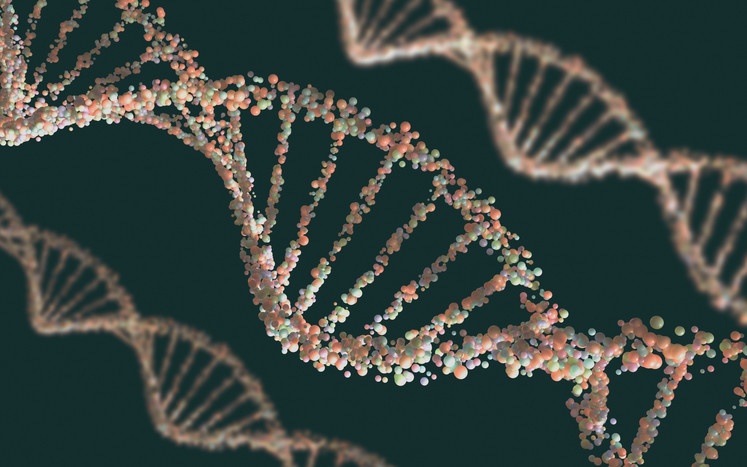
Genomics
Genomics is the investigation of DNA and RNA to advance biology, medicine, healthcare, biotechnology, archaeology and other fields
-
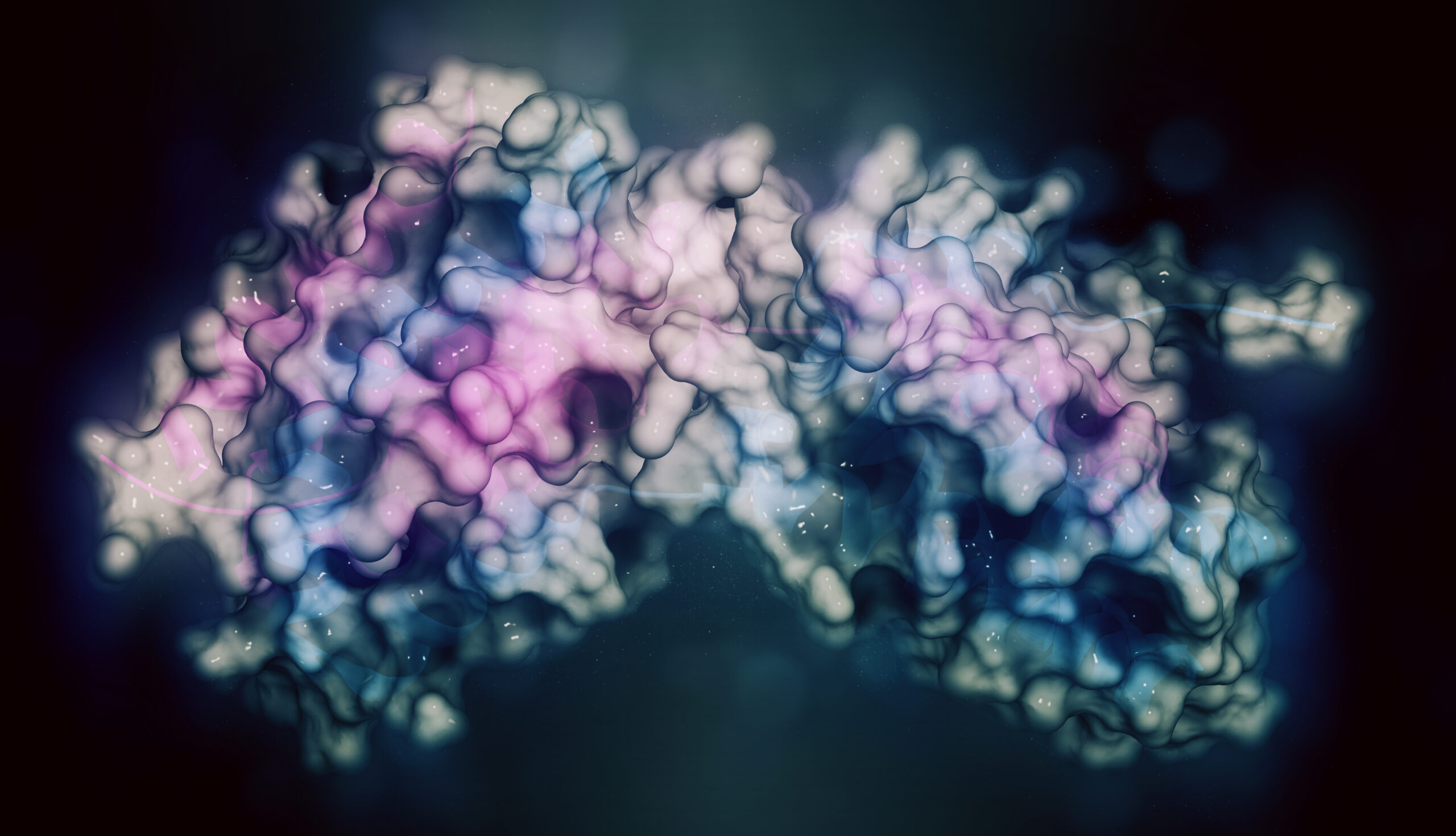
Proteomics
Proteomics is the large-scale investigation of proteins expressed by any organism and includes the study of structures, interactions, and functions.
-
Metabolomics and Exposomics
Metabolomics and exposomics measure the changes in metabolite levels (metabolomics) or exposures to external stimuli (exposomics).
-
Spatial Omics
Spatial omics integrates multiple omic data types, such as transcriptomics, proteomics, and mass spectrometry, to map molecular profiles within intact tissues at high resolution.
-
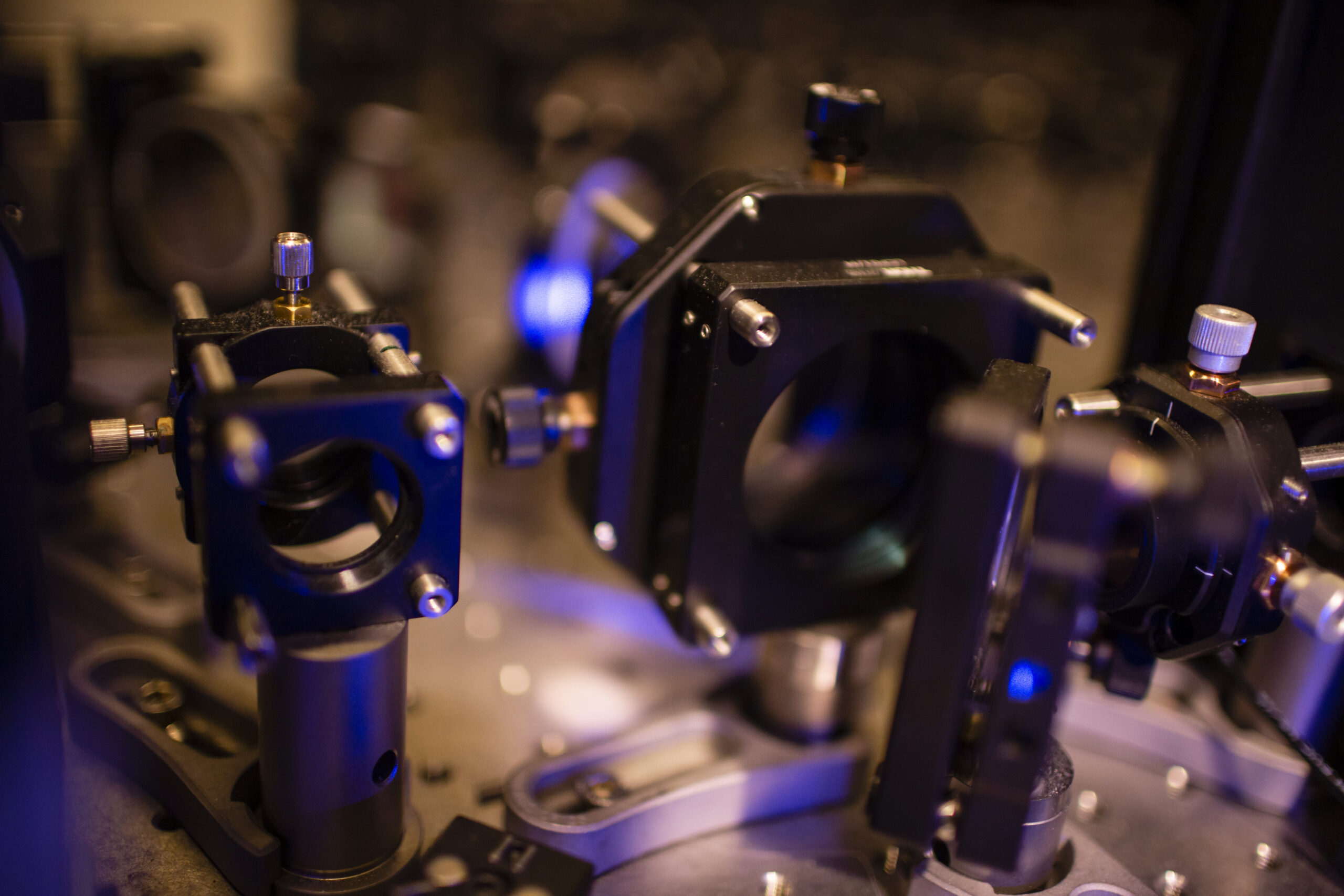
Cellular and Molecular Imaging
Cellular and molecular imaging enables the visualization of biological systems, from the atomistic to the tissue levels.
-
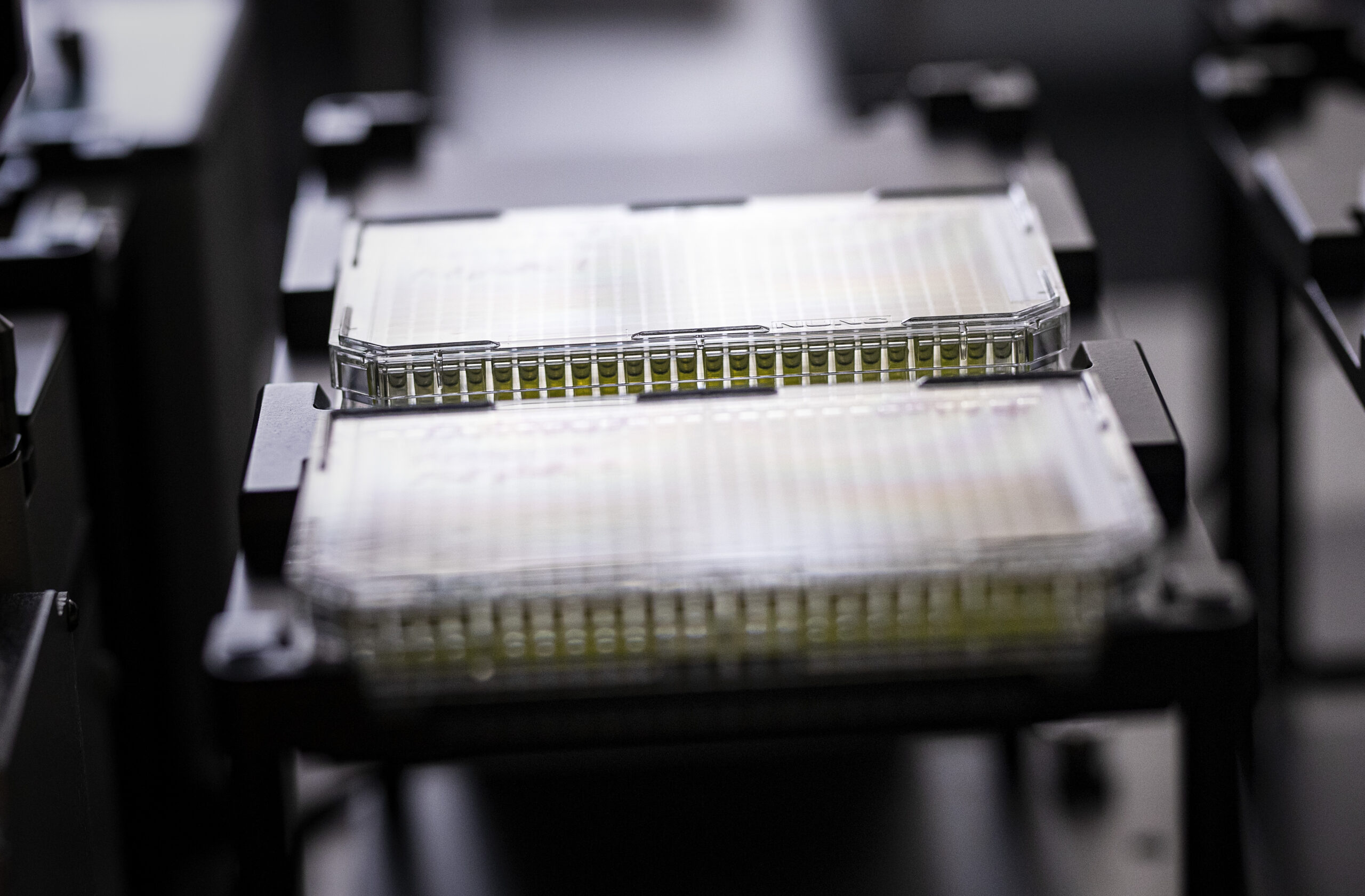
Structural Biology
Structural Biology comprises studies of proteins and nucleic acids and other biomolecules, how they interact and appear in solution
-
Chemical Biology and Genome Engineering
Chemical and genetic perturbation to explore biology, as well as follow-up studies to transform phenotypic observation into mechanistic insight
-

Drug Discovery
Generates small-molecule, antibody and oligonucleotide leads for further progression into therapeutic applications and support with target product profiling and safety assessment of the future drug.
-
Bioinformatics
Bioinformatics combines biology, computing, and data analysis to interpret biological data across all life science domains, for research, medicine, and biotechnology advancements.
Recent user publications
The publications in this database are the result of research conducted at the units of SciLifeLab – both in user projects and technology development.
Little impact of tillage system on crop yield and soil properties in a 43-years old field experiment on a clay soil in humid continental climate
T. Keller, A. Etana, Y. Bösch, (…), A. Taylor, Å. Myrbeck, S. Hallin,
Soil and Tillage Research265 107403
Paleogenomics and habitat modeling reveal temperate Eurasian origins of woolly rhinoceroses
. Xiao-Le Lei, . Jiaoyang Ruan, . Xueyuan Liang, (…), . Alexandra Buzhilova, . Love Dalén, H. Yu,
Whole-genome 5-hydroxymethylation profiling of human neurons for regulatory and biological insight.
D. Klose, MH. Sepehri, RA. Olsen, (…), L. Kular, M. Needhamsen, M. Jagodic,
Epigenetics Chromatin19 (1)
Ancient genomes reveal an extinct bovine species from mid-latitude Asia.
J. Oppenheimer, A. Gilardet, MB. Kozlikin, (…), PD. Heintzman, B. Shapiro, L. Dalén,
Gene expression profiles in benign prostate tissue reflect tumor proximity, grade, and molecular subtype.
P. Wikström, E. Freyhult, J. Semenas, (…), A. Josefsson, SH. Bergström, A. Bergh,
J Transl Med24 (1)
Systematic identification of p11 as a signaling modulator across the GPCRome.
M. Saarinen, IB. Kotliar, I. Höffkes, (…), JM. Schwenk, TP. Sakmar, P. Svenningsson,
Sci Adv12 (40) eaeg6567
Integrated Data Services (IDS)
The integrated data service initiative is SciLifeLab’s way of making research data produced in our infrastructure work for everyone in a user-friendly and interconnected manner. The initiative is a cross-platform effort to ensure that solutions respond to real needs. This way, SciLifeLab contributes to form a user-friendly data landscape contribute to enabling life science research to move forward.
Human Protein Atlas (HPA)
The Human Protein Atlas is one of several major research resources originating at SciLifeLab. Established in 2003, HPA’s mission is to map all human proteins across cells, tissues, and organs using diverse omics technologies, including antibody-based imaging, mass spectrometry proteomics, transcriptomics, and systems biology. As an open-access initiative, Human Protein Atlas has been selected by ELIXIR, as a core research infrastructure in Europe.
By the numbers
Users across sectors
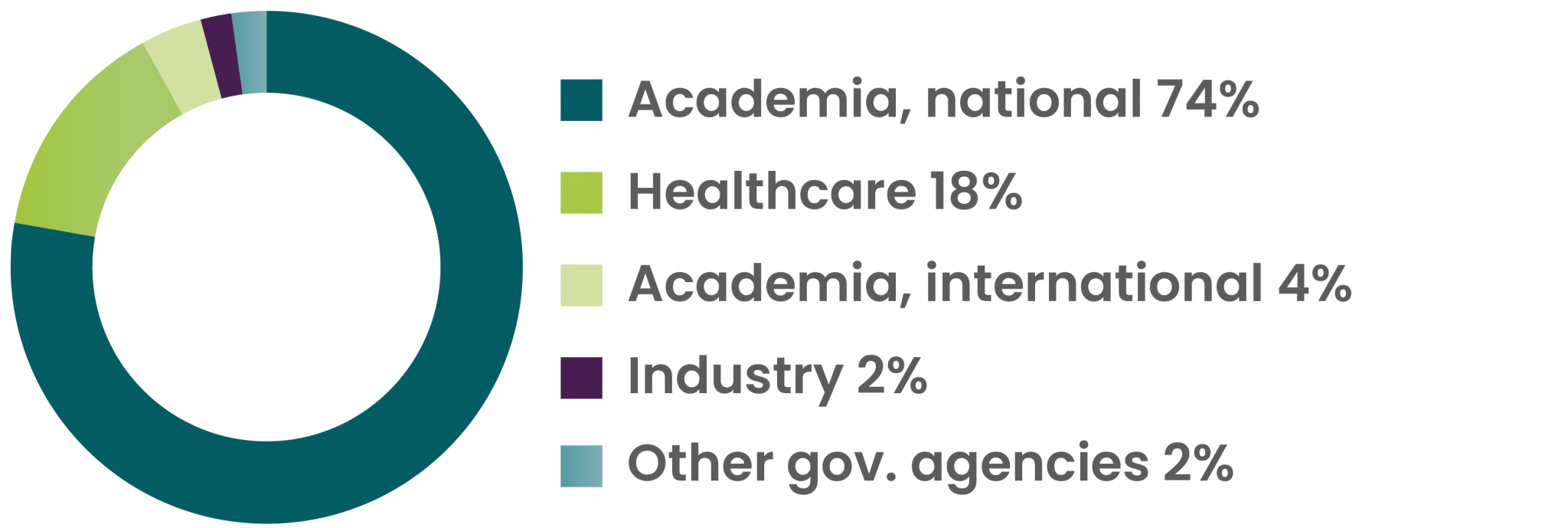
In 2025, SciLifeLab served about 2,000 unique users. 26% of the users were based in healthcare, industry and other governmental agencies. The remaining portion were based in academia.
Academic users
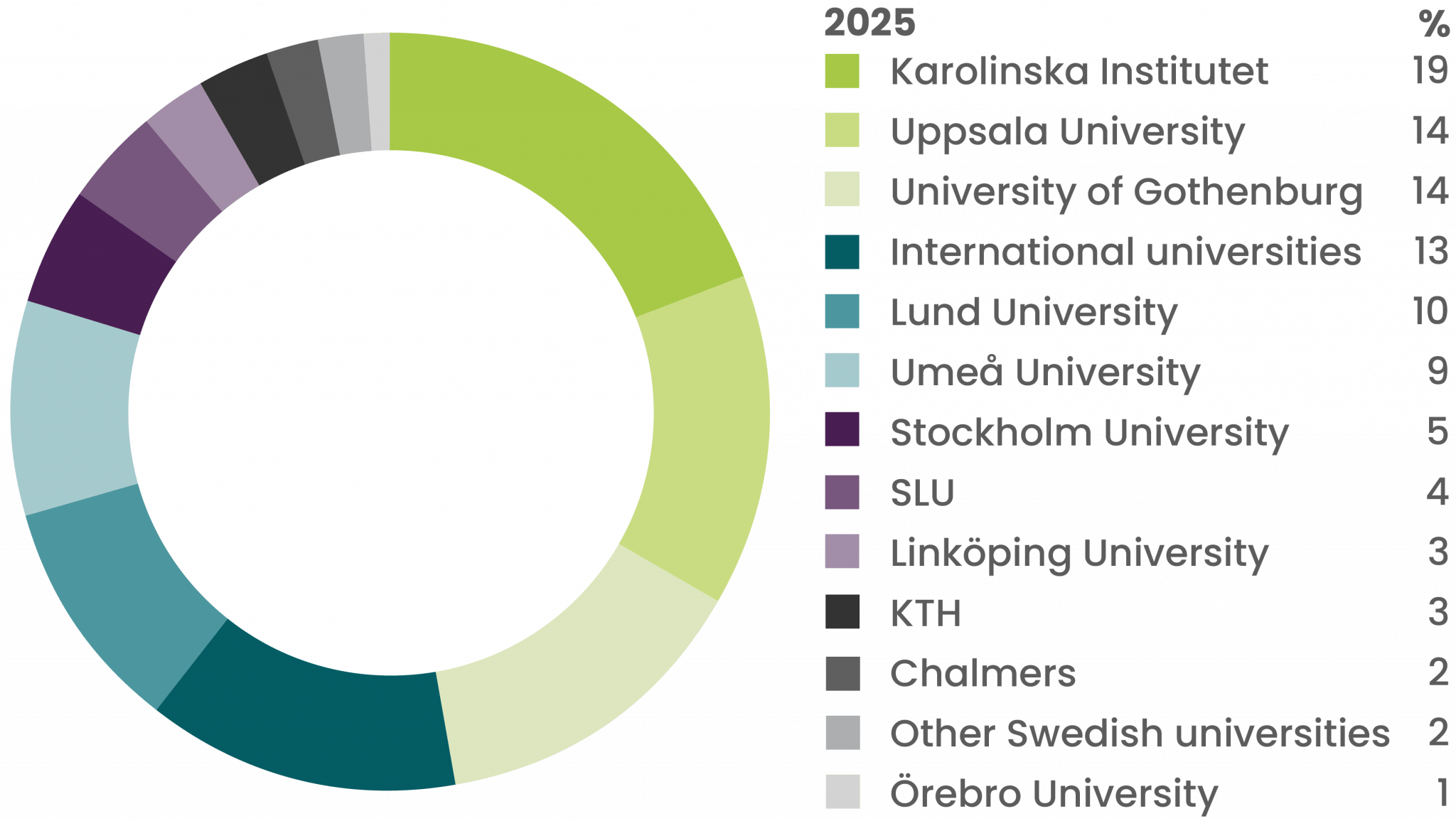
As SciLifeLab is a national infrastructure, the distribution of users is an important metric. In 2025, SciLifeLab served a total of 1,761 academic users.
Infrastructure organization
Our national infrastructure is made up of ten technology platforms, each of which comprises a number of service units and are managed by appointed Platform Directors. For every unit, there is a Platform Scientific Director leading the scientific direction and a Head of Unit in charge of the daily operations.
Platform management