
New DDLS Fellow: Johannes Cairns
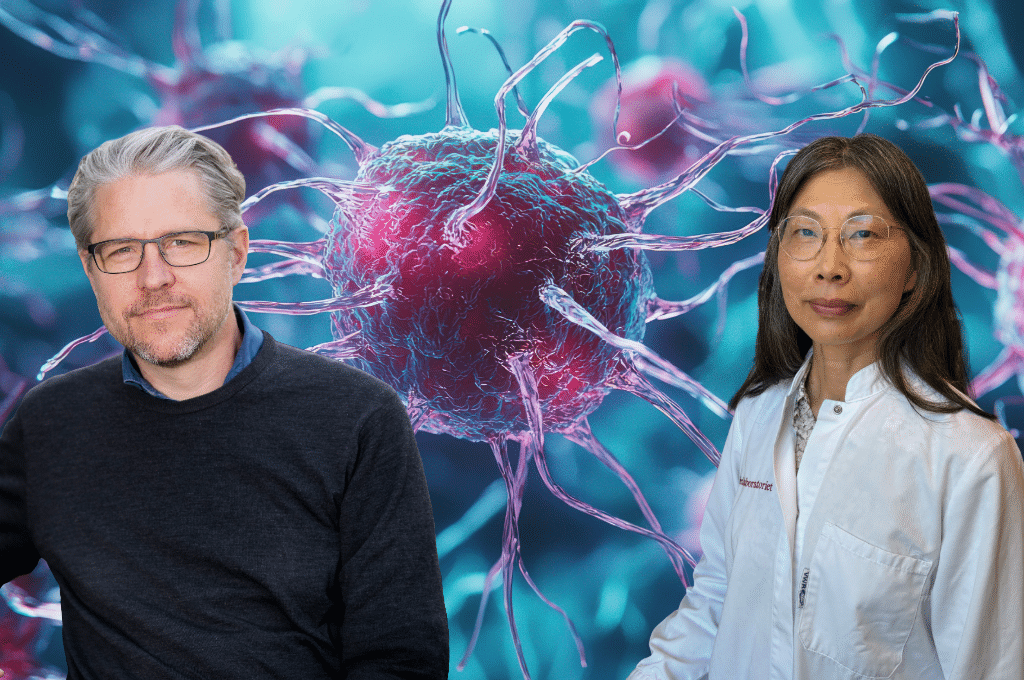
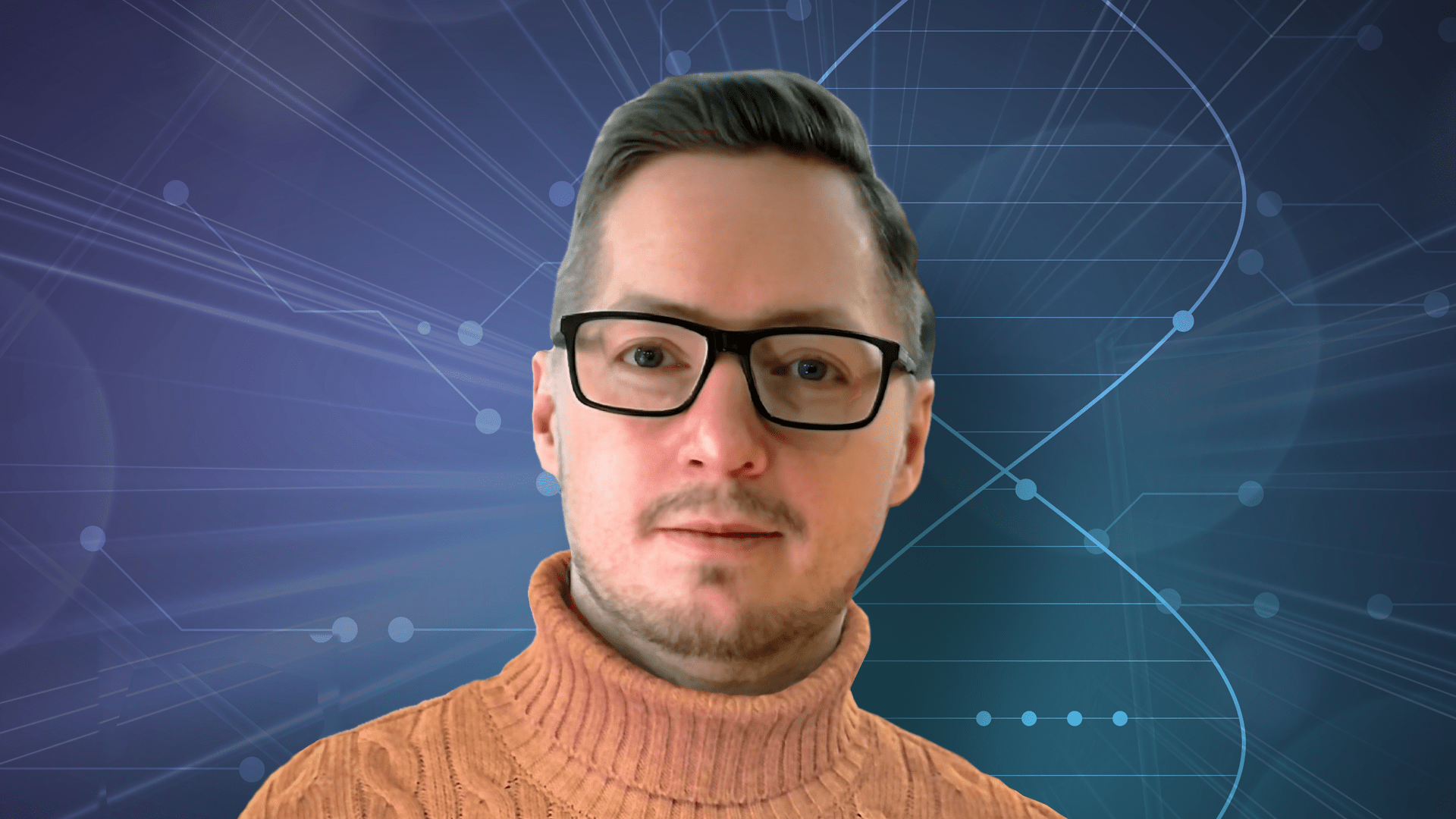
The SciLifeLab & Wallenberg National Program for Data-Driven Life Science (DDLS) continues to recruit outstanding early career scientists. In this Q&A, we highlight DDLS Fellow Johannes Cairns (Lund University). Johannes studies how microbial communities evolve and respond to antimicrobial treatment, with a particular interest in antimicrobial resistance and infection biology. By combining experimental and data-driven approaches, he aims to build a more predictive understanding of how microbial communities change over time. Johannes belongs to the DDLS Epidemiology & Biology of Infection research area.
Johannes earned his PhD in microbiology at the University of Helsinki in 2018, after which he completed a postdoc in bioinformatics there, including a visiting scholar period at the Wellcome Sanger Institute in the UK. In 2023, he moved to the University of Turku to develop his own research line within the Finnish Centre of Excellence in Antimicrobial Resistance Research. The same year, he received a docentship in evolutionary genetics and bioinformatics. He started the Microbial Evolutionary Genetics (MEG) Lab in 2024 and became a Collegium Researcher at the Turku Collegium for Science, Medicine and Technology in 2025. Since March 2026, following his appointment as a DDLS Fellow, Johannes has been rebuilding the MEG Lab in Lund while also overseeing research activities in Turku.
How do you think your expertise can contribute to the program?
My work combines controlled eco-evolutionary experiments with high-throughput data and quantitative analysis. I use bioinformatics, statistical models, and machine learning to understand and predict how microbial populations and communities behave. I am not a pure data scientist but a wet lab and dry lab hybrid, and I think this combination fits well with DDLS, which connects life science and data science.
Shortly describe your research in an easy to understand way.
I grow microbial communities in controlled lab systems to study antimicrobial resistance and community resilience, and how they interact. During experiments, I collect a frozen “fossil record” that allows me to go back and measure what happened at different time points. From this, I generate data ranging from ecological and phenotypic measurements to high-throughput sequencing. By combining these, I aim to understand what drives change in these systems and to build predictive eco-evolutionary understanding. At Lund University, I am moving toward more clinically grounded models, focusing on polymicrobial urinary tract infections and how resistance and community dynamics interact in that context.
How do you think the program and interactions with the other DDLS-Fellows will benefit you?
The DDLS program offers strong opportunities for collaboration and access to expertise in genomics and data analysis. It also provides a valuable peer group at a similar career stage. I am very curious by nature and look forward to learning from the different research areas within the program.
Name one thing that people generally do not know about you.
I have spent time in Asia as a Buddhist monk, and did a second PhD studying Buddhist climate activists.
Where do you see yourself in five years regarding the DDLS aspect?
Within DDLS, I see my work contributing to making biology more predictive. A key step is moving closer to clinically relevant systems, for example, understanding how resistance and community dynamics play out in infection contexts, while maintaining a predictive and data driven approach.
In one word, describe how you feel about becoming a DDLS-Fellow.
Curious.