
New DDLS Fellow: Sina Majidian
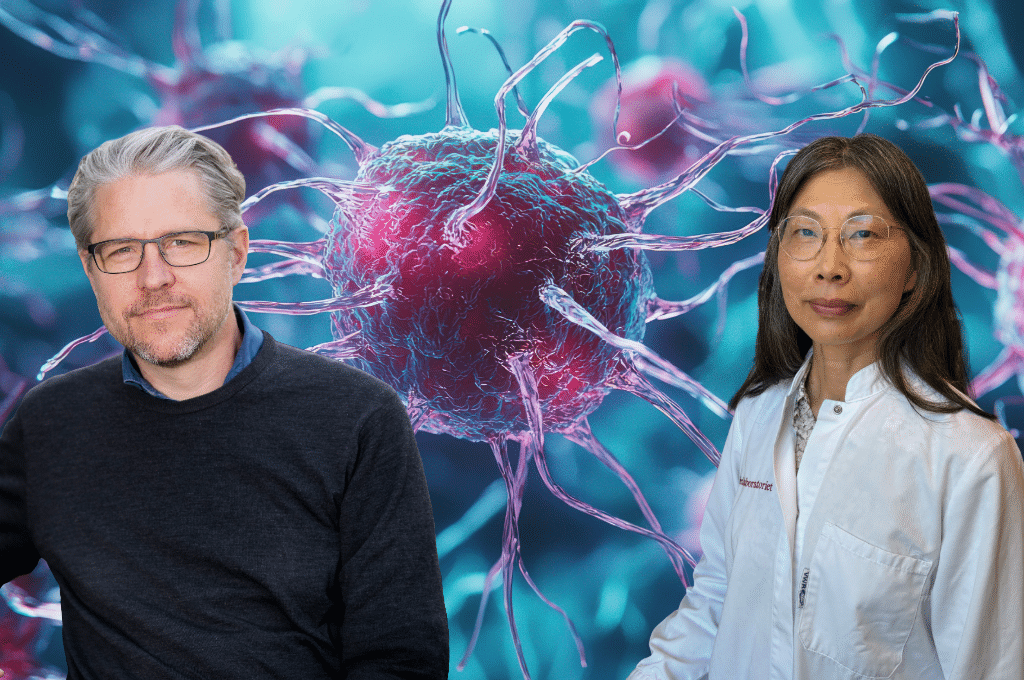
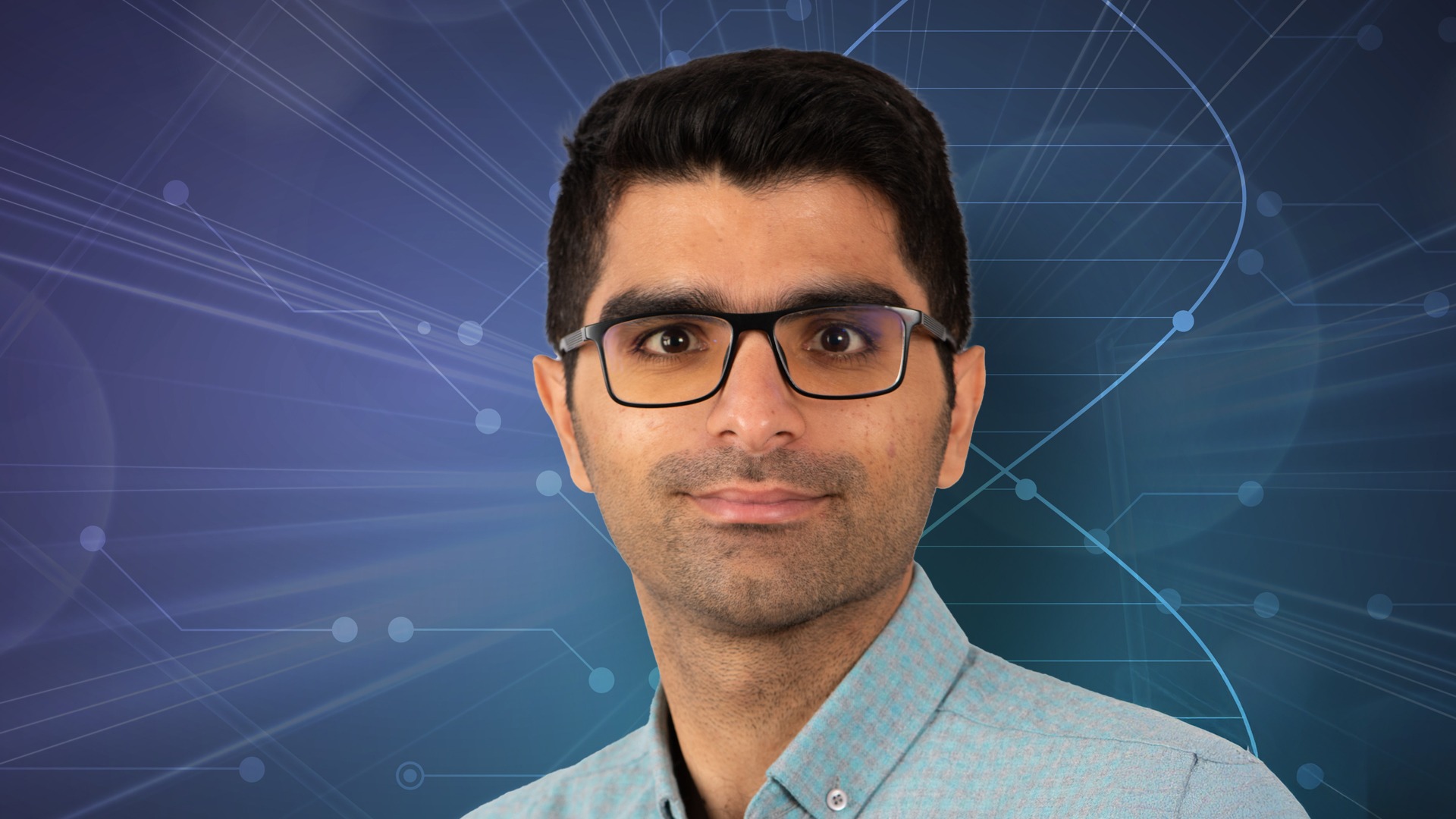
As part of the continued recruitment within the SciLifeLab & Wallenberg National Program for Data-Driven Life Science (DDLS), we meet Sina Majidian at Chalmers University of Technology. Sina develops computational methods for interpreting large-scale genomic data, with a focus on comparative genomics, pangenomics, human genetic variation, and machine learning approaches to genome function. By combining bioinformatics, evolutionary biology, mathematical modeling, and AI, his research aims to deepen our understanding of genome evolution, human health, and disease. Sina belongs to the DDLS Cell & Molecular Biology research area.
Sina completed his PhD at Iran University of Science and Technology, including a one-year research visit at the Bioinformatics Group at Wageningen University & Research. His work centered on developing algorithms for haplotype assembly from long-read sequencing data, using low-rank matrix recovery. During his PhD, he also completed a remote internship with Prof. Fritz Sedlazeck (Baylor College of Medicine) to improve human haplotype phasing using population genetic data. He then became interested in how different species are related through evolution, which led him to explore comparative genomics as a PostDoc at the University of Lausanne and the Swiss Institute of Bioinformatics with Prof. Christophe Dessimoz and Dr. Natasha Glover for three years. Sina continued his pangenomic research at the Prof. Ben Langmead lab in the Computer Science Department at Johns Hopkins University. Now he leads the Computational Genomics Research (CGR) Lab at the Data Science and AI division of Chalmers University of Technology.
How do you think your expertise can contribute to the program?
I was trained in quantitative fields and have built multidisciplinary research experience in computational biology and bioinformatics across different countries and institutions. This background has enabled me to collaborate across disciplines and lead efforts that address key challenges in genomics. Our lab’s expertise in mathematical modeling and machine learning for biology positions us to better understand complex genomic data and contribute to addressing fundamental biological questions that are central to the future of genomic research.
Shortly describe your research in an easy to understand way.
Our research focuses on computational genomics, where we develop methods to help scientists interpret the vast amounts of data generated by DNA sequencing technologies, with applications in evolution and human health. A central part of our work is comparative genomics, which compares genomes across many species to identify shared patterns and reveal gene functions. Since species evolved from common ancestors, they still share many similar DNA sequences, and these similarities provide valuable context for understanding the human genome and for identifying model organisms relevant to human biology and disease. One important challenge we address is understanding the noncoding regions of DNA, which make up most of the genome and evolve rapidly. Although once thought unimportant, these regions are now known to play critical roles in regulating when and how genes are turned on and off, and are involved in many human diseases. We study human genetic variation using pangenomes, which capture the diversity of populations rather than relying on a single reference genome. We also leverage DNA language models to predict the effect of genetic variations. This interdisciplinary research, at the intersection of machine learning, evolutionary biology, and human genetics, allows us to uncover fundamental principles of genome function and deepen our understanding of genetic disease and the diversity of life.
How do you think the program and interactions with the other DDLS-Fellows will benefit you?
One of the most remarkable aspects of the DDLS program is its interdisciplinary nature. It brings together scientists from many different fields and from around the world, now based in Sweden, combining their diverse expertise to advance science. It also provides a great opportunity to establish our own labs, and I feel privileged to be part of the DDLS community. Through our collective efforts, we can achieve far more than working individually, tackling ambitious and previously intractable scientific questions and shaping the next generation of science.
Name one thing that people generally do not know about you.
I was a volunteer math teacher and later elected as a board member at an NGO for immigrant children’s education.
Where do you see yourself in five years regarding the DDLS aspect?
I see myself leading a lab that fosters a research environment where people and methods have a lasting impact. I would love to see our alumni continue to grow, succeed, and reach their full potential. It would be rewarding to see our tools and frameworks widely adopted by the scientific community. I anticipate breakthroughs in DNA sequencing technologies, efficient DNA data structures and predictive models. We are working toward a more complete understanding of human genetic variation and bringing telomere-to-telomere genomes closer to routine clinical use. As large-scale genome analysis expands across populations and human lifespan, and as interpretable machine learning models become more powerful, we will gain deeper and more actionable insights into human health and disease.
In one word, describe how you feel about becoming a DDLS-Fellow.
Excited!