
Early-career training in focus: Marie Skłodowska-Curie Actions today and beyond
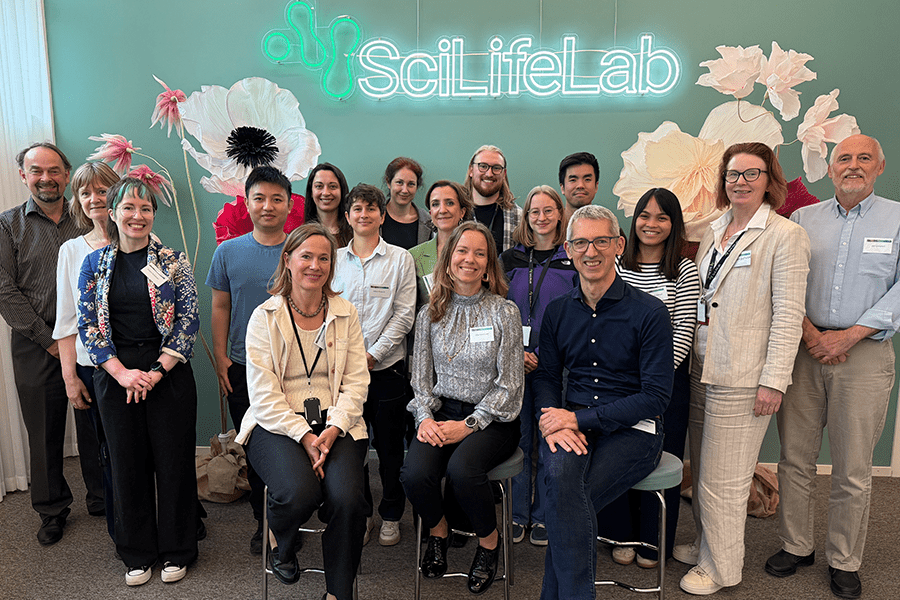
Marie Skłodowska-Curie Actions (MCSA) is formulating its upcoming Framework Programme 10, and on June 5 Vanessa Debiais-Sainton gathered the SciLifeLab community in Solna to consult with early-career researchers and other representatives on how to shape MCSA funding opportunities for future research careers. Debiais-Sainton, the Head of Department-Marie Skłodowska-Curie Actions & Support to Experts, presented MSCA in 2026 and beyond: what it takes to build successful research careers in Europe. MSCA is the European Union’s funding program for doctoral education and postdoctoral training, with postdocs and the SciLifeLab PULSE Program supported by its programs.
Vanessa Debiais-Sainton presented upcoming changes to the Marie Skłodowska-Curie Actions (MSCA) in the Framework Programme 10 era, which introduced a more differentiated structure for postdoctoral support. A new element, Postdoctoral Networks, will target early-career postdocs through cohort-based programmes that combine research with structured, cross-institutional training. These networks are designed to strengthen peer learning, expand international and intersectoral exposure, and embed more systematic skills development, including stronger links to industry and other non-academic sectors.
The seminar also highlighted how future MSCA schemes can better support successful research careers in Europe, how they can more effectively address researchers’ challenges and bridge existing gaps in career development.
Alongside this new model, MSCA will continue to offer Individual Postdoctoral Fellowships, which will be more explicitly oriented toward researchers with greater experience and independence, typically at least two years post-PhD. These fellowships will retain their core “training-through-research” approach and mobility focus, but are positioned for more established researchers seeking to deepen their expertise and career autonomy. Taken together, the changes signal a shift toward a more structured portfolio of career development pathways, balancing cohort-based training for early postdocs with more individualised support for advanced researchers.
“It was extremely valuable to hear directly from the MSCA team and to contribute perspectives from our PULSE community on the development of Framework Programme 10. At SciLifeLab, we are continuously exploring how to further strengthen postdoctoral training and career development, to equip the next generation of life science researchers and leaders with the skills and networks they need to succeed”, said Mia Phillipson, SciLifeLab Co-Director and Director of SciLifeLab PULSE after the seminar.
Read more about the seminar: https://www.scilifelab.se/event/msca-in-2026-and-beyond-what-it-takes-to-build-successful-research-careers-in-europe/
Celebrating 30 years of the Marie Skłodowska-Curie Actions 2026.