
Explore our research infrastructure
At SciLifeLab, we provide access to a range of pioneering technologies in molecular biosciences. Together, our capabilities enable the scientific endeavours of users from academia, industry and health care. Dedicated staff scientists can offer support throughout the experimental process – from study design to data handling.
-
Genomics
Genomics is the investigation of DNA and RNA to advance biology, medicine, healthcare, biotechnology, archaeology and other fields
-
Proteomics
Proteomics is the large-scale investigation of proteins expressed by any organism and includes the study of structures, interactions, and functions.
-
Metabolomics and Exposomics
Metabolomics and exposomics measure the changes in metabolite levels (metabolomics) or exposures to external stimuli (exposomics).
-
Spatial Omics
Spatial omics integrates multiple omic data types, such as transcriptomics, proteomics, and mass spectrometry, to map molecular profiles within intact tissues at high resolution.
-
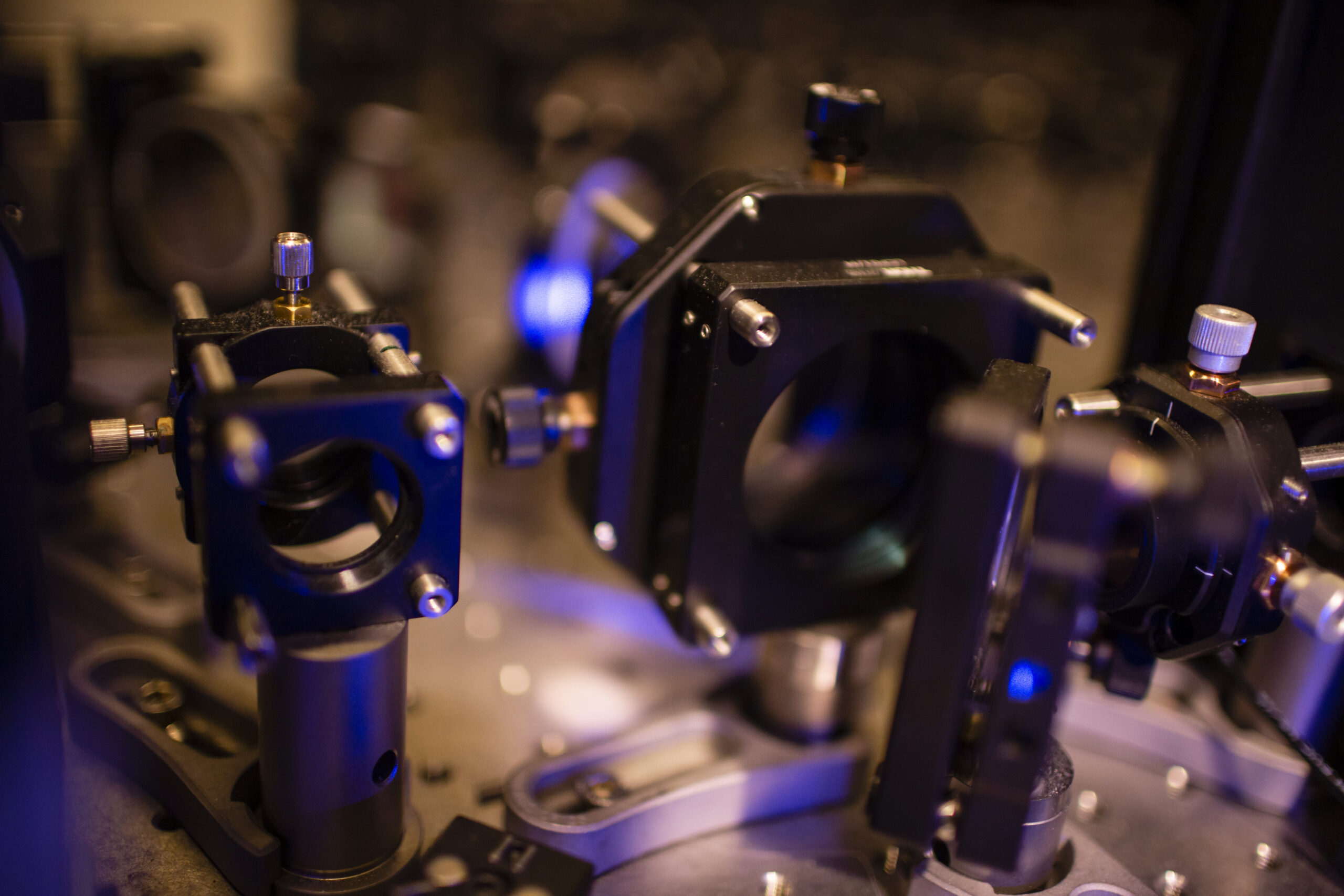
Cellular and Molecular Imaging
Cellular and molecular imaging enables the visualization of biological systems, from the atomistic to the tissue levels.
-
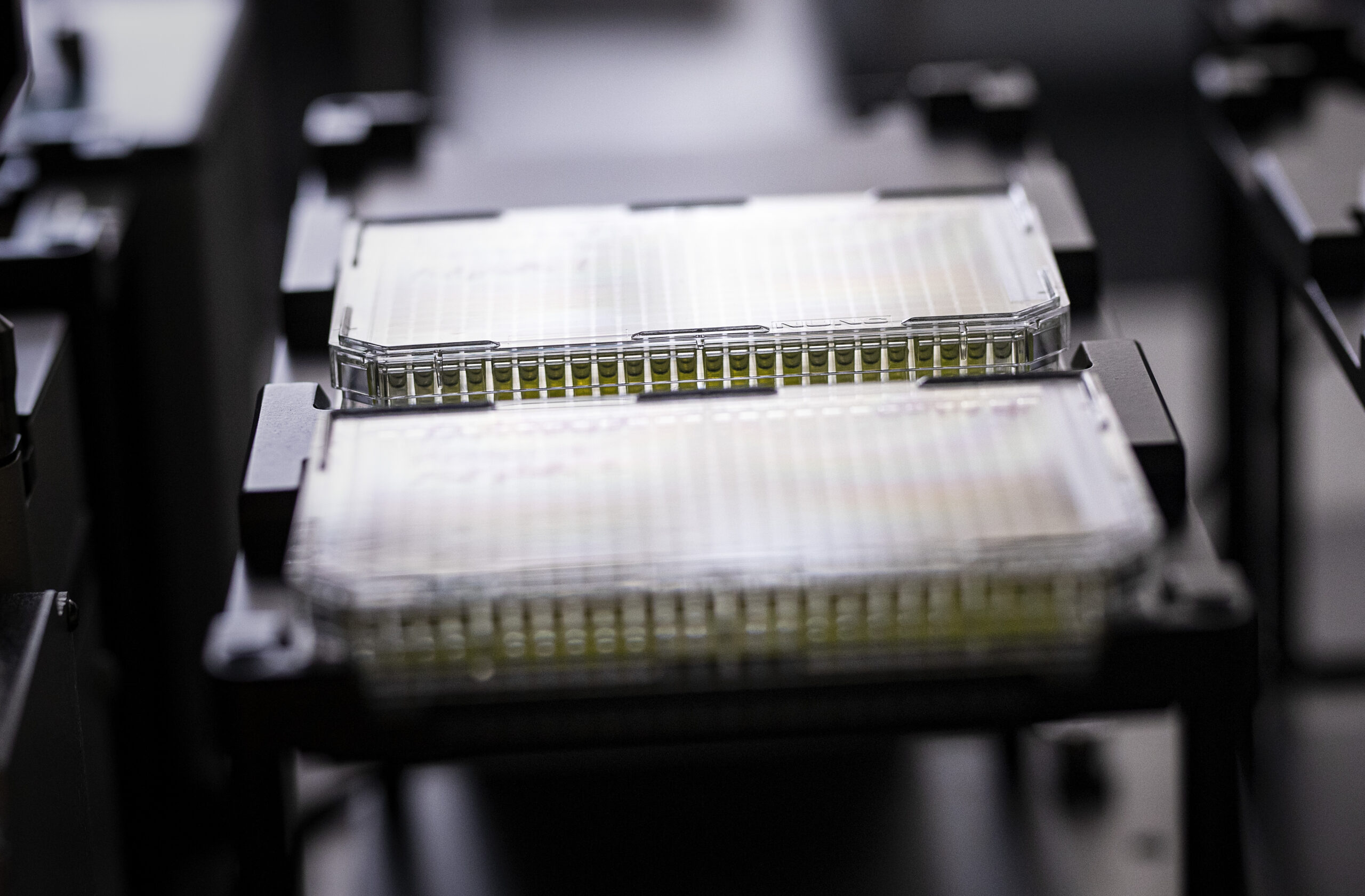
Structural Biology
Structural Biology comprises studies of proteins and nucleic acids and other biomolecules, how they interact and appear in solution
-

Chemical Biology and Genome Engineering
Chemical and genetic perturbation to explore biology, as well as follow-up studies to transform phenotypic observation into mechanistic insight
-

Drug Discovery
Generates small-molecule, antibody and oligonucleotide leads for further progression into therapeutic applications and support with target product profiling and safety assessment of the future drug.
-

Bioinformatics
Bioinformatics combines biology, computing, and data analysis to interpret biological data across all life science domains, for research, medicine, and biotechnology advancements.
Strategic Areas
The foundation of SciLifeLab rests on our research infrastructure, digital infrastructure and community of world-class researchers. Our strategic areas combine these components, to further leverage on SciLifeLab’s capacity.


News highlights




Research at SciLifeLab


At SciLifeLab, no research group is an island. We live by collaboration and gather scientists in a broad range of molecular bioscience research, from health to environmental research, in order to facilitate multidisciplinary studies and networking.
A number of research constellations and initiatives makes up our scientific community, such as the more than 200 affiliated academic research groups, the SciLifeLab Fellows program, Data-driven life science, and lately also a national research program targeting Covid-19.
There’s a truly symbiotic relationship existing with our infrastructure. Our units provide access to the latest biomolecular technologies and expertise to bring research projects to the next level, whilst researchers using our services can team up with our dedicated staff scientists to propel technology development and really push the limit of what is possible in life science.
Upcoming events
DDLS Annual Conference 2026
Nov 09 – 10 11:30 – 12:30
Aula Magna

WASP-HS & DDLS: Interdisciplinary Workshop
WASP-HS & DDLS: Joint Workshop at Sigtunastiftelsen, 12–14 October This interdisciplinary workshop brings together a carefully selected group of 25 researchers from diverse fields to exchange perspectives on the ethical, […]
Symposium – Accelerating Spatial Biology
Organized by Cluster in Spatial Biology Technology 13.00-14.00 – Session I – Advances in spatial biology technology1. Welcome – Joakim Lundeberg2. Roadmap for an excellence cluster in spatial biology – […]

The PROMISE Initiative: Accelerating Cancer Innovation
This conference focuses on the PROMISE Cancer effort led by Swedish scientists representing Stockholm, Uppsala, Umeå, Linköping, Lund, and Gothenburg as well as SciLifeLab. Cancer encompasses more than 200 distinct […]
SciLifeLab Science Summit
The Annual Conference SciLifeLab Science Summit is a one-day symposium with a new topic each year. The 2026 topic is: Cancer Research: Translating Life Science Discoveries to Clinical Breakthroughs For […]

Science & SciLifeLab Prize for Young Scientists
The Science & SciLifeLab Prize for Young Scientists is a global prize, established in 2013, aimed at rewarding scientists at an early stage of their careers. Science/AAAS and SciLifeLab, a coordinated effort of four universities, have joined forces in creating the Science & SciLifeLab Prize for Young Scientists to recognize excellence amongst young researchers from around the world.